London Student Sustainability Conference 2024

London, a city bustling with energy and innovation, is once again at the forefront of a movement towards a more sustainable future. As the global climate crisis looms ever larger, the need for action has never been more urgent. In the heart of this vibrant metropolis, students from universities across the capital gather for the London Student Sustainability Conference 2024, a beacon of hope and catalyst for change. 

This year students from the University of Greenwich attended, presented and volunteered at the conference. Look below for a few blogs to give you the inside scoop of what the conference was like! 

Sustainable Tourism: Unveiling Challenges and Opportunities in The Gambia 

By Ousman Jawneh Jawara

Introduction: My name is Ousman Jawneh Jawara, a third-year student pursuing a BA in Tourism Management. I was thrilled to be selected to present my project, “Tourism in Gambia: Challenges and Opportunities,” at the London Student Sustainability Conference hosted at Imperial College in London. This research topic has been a source of inspiration for me for over six years, shaping not only my academic journey but also my commitment to contributing to sustainable tourism development in my home country. 

Background: The Gambia, nestled in the heart of Africa, boasts a rich tourism history, abundant natural resources, UNESCO heritage sites, stunning beaches, and a delightful climate. Despite its small size, tourism plays a significant role, contributing 20% to the national GDP and fostering overall development. However, this growth is not without challenges, including climate change, environmental degradation, economic leakage, and a lack of comprehensive tourism policies. 

Research Rationale: My project aims to delve into the reasons behind the frustration in tourism development in The Gambia despite its vast natural resources. Key questions include understanding the draw factors for tourists, the impact of tourism on households, and its contribution to the national economy. Additionally, the lack of academic research in this area motivates this study, aiming to bridge the existing gap in knowledge. 

Passion for Sustainable Tourism: What compelled me to present at LSSC24 is the deep-seated passion, love, and dedication I have for my country. I am committed to achieving sustainable tourism development through research and promoting responsible tourism that not only benefits the economy but also safeguards our planet and involves local communities. Representing my university at this level is an added honor and responsibility. 

Acknowledgments: I extend my heartfelt appreciation to Dr. Fatemeh Mohamadi, my project supervisor, for her unwavering support throughout the presentation process. Special thanks to Andres Coca Stefaniak for inspiring me with his knowledge on sustainability, Samantha Chaperon, Lauren Siegel, Isabella Ye, and to all the dedicated lecturers from the Department of Tourism and Events. 

In sharing my research, I aspire to contribute to the discourse on sustainable tourism, fostering positive change in The Gambia and beyond. 

Embracing Sustainability and Student Leadership: My Journey as a Volunteer at LSSC24 

By Ishan Thakkar

Hello, I’m Ishan Thakkar, a student pursuing International Business at the University of Greenwich. With a fervent interest in sustainability and a deep appreciation for nature, I am always on the lookout for opportunities that allow me to make a positive impact. My journey as a volunteer at the London Student Sustainability Conference 2024 (LSSC24), hosted at Imperial College London, was a testament to my proactive approach and commitment to environmental stewardship. 

As I sit down to pen my thoughts on my recent volunteering experience at the LSSC24, I am filled with a sense of pride and fulfilment. This marks my second year of volunteering at this prestigious event, and with each passing year, my passion for sustainability and student leadership grows stronger.  I assisted presenters and organizers in ensuring the smooth execution of the event. One of the most rewarding aspects of volunteering was the opportunity to engage with presenters and learn about their sustainability initiatives first-hand. Their passion and commitment to driving positive change left a lasting impression on me and reinforced my belief in the power of collective action. 

Proudly student-led and organized by ten universities, LSSC24 showcased the collective efforts of students in addressing sustainability challenges. The commitment of the Student Delivery Group was evident in every aspect of the conference, infusing it with a student perspective and ensuring its success. 

It has reaffirmed my commitment to sustainability and ignited a newfound determination to make a meaningful impact. Therefore, I am excited to announce that I will be working on my own sustainability initiative over the coming year. My goal is to develop a comprehensive project that addresses a pressing sustainability issue and showcase it at the upcoming LSSC25. I eagerly anticipate becoming one of the presenters as well. I am eager to contribute to the ongoing dialogue on sustainability and to inspire others to join me in taking action towards a more sustainable future. With determination and passion, I am confident that together, we can create a more sustainable world for future generations. 

My experience in the Student Delivery Group at LSSC24 

By Michelle Kossowski

My name is Michelle Kossowski and I am a first-year international law student from Canada. I joined the university’s Sustainability team as a volunteer in September 2023. Ever since then, I have supported Clothes Swap events and was a member of the Student Delivery Group for the London Student Sustainability Conference 2024!

I am drawn to the sector of sustainability because improving the environment has a direct effect on people’s quality of life. I believe sustainability is not just about improving the current quality of life, but ensuring it keeps to a high standard in the future. The issue of fast fashion interests me because I often see my peers making unsustainable fashion choices due to the rapidly changing trend cycle. I hope to educate others on the social and environmental impacts of unsustainable fashion. I am also intrigued in the intersection between sustainability and law because the law can be a mechanism to prevent environmental misconduct. I heard about the opportunity of joining the Student Delivery Group from the sustainability team at Greenwich.

I wanted to connect and network with like-minded individuals and my first meeting was electric, as we all had ideas about the event. It was a diverse and welcoming space to give and receive feedback. I settled as the conference’s Social Media Manager and my responsibilities were to create promotional content and content on the day. The opening ceremony of the conference was already filled with excitement and hope.

A highlight of the ceremony was a speech given by Dr. Omnia El Omrani, who is a Climate Change and Health Junior Policy Fellow at Imperial College London. She talked about her work in promoting a health-focused approach to sustainability across the world and how she presented youth efforts on climate and health at COP28 UAE. This set an inspirational tone for the day!

Although I was running around the building with the student photographer getting the perfect shots for social media, I found the time to sit down for a presentation. I listened to Niso Khamraeva’s presentation, “Saving the Aral Sea,” which focused on a region of the world that was completely new to me, Karakalpakstan. She discussed the gender and climate impacts of the community’s diminishing water source and finished the speech with the insightful question: “If every specialist brought with them a bucket of water, would the sea be filled again?” After the presentation, I went to conduct short interviews with the workshop leaders. It was a comfortable atmosphere and the lecturers I spoke with were open about their experiences and motivations surrounding the LSSC24. Attending the LSSC24 was an enriching experience to learn more about sustainability from a student perspective and I intend to foster all the connections I made.

LSSC24: Creating opportunities for students to shine 

By Fariha ‘Faz’ Ahmed

Hi, I’m Faz Ahmed, Sustainability Projects Assistant at The University of Greenwich. I became a part of the UoG fabric around 5 months ago and one of the first tasks I got given was to be involved in the London Student Sustainability Conference 2024. Now, in all honesty I had never heard of this conference (which is shameful considering I just recently graduated in sustainability from a London university), so I turned up to the meetings with very little clue and first-day jitters. 

But what I found was an inspiring group of higher education professionals gung-ho in creating the best and most impactful experience for students interested in a topic near and dear; sustainability.  

Steering group leader, Arthur Shearlaw, spear-headed the event to what it is, ensuring everyone was on the same page, and doing a lot of the less than exciting work; the dreaded admin. I was lucky to have UoG Sustainability Manager, David Jackson to hold my hand through the process and make me aware of the ins and outs. Apart from these shout-outs it was just wonderful to meet such an eclectic group of varied people ranging from lecturers, sustainability professionals and people new to higher education, just like me, who were truly enthused to share their knowledge and experiences in sustainability. 

Now, when it comes the actual event, I made the rather rash decision to manage the student volunteers who so kindly gave up their time to make the event what it was. If I’m being honest, the role did make me want to scream at times, especially when I was running around like a headless chicken on the day. However, the screams quickly turned into smiles once I met such a broad range of young, passionate students with real interest in contributing to how our world is shaped.  

The experience was incredible, and I’ll leave it at that. 

Welcoming our new Sustainability Projects Assistant…

Hi, I’m Alex and I’m excited to be joining the sustainability team for a year as the new Sustainability Projects Assistant!

Alex enjoying the views of the fjords in Norway

Alex enjoying the views of the fjords in Norway

I’ve got a background in Physical Geography, so I am a geek in anything from climate change to natural hazards to glaciers. For the past year I’ve been doing an MA with Forum for the Future in ‘Leadership for Sustainable Development’.

forum for the future

My masters course has allowed me to sample sustainability in a range of organisations, from a charity to a local authority, from Bank of America to a multi-national company. It also allowed me to look at the idea of ‘systems change’, for example, how can we cause change for sustainability in the complex food system, or the energy system? I’m looking forward to putting my learning into practice at Greenwich.

I’ll be looking after the Sustainability Management System and helping Emily out with other sustainability projects. These projects include Green Impact and the Carbon Management Plan, and I’ll also be helping with sustainability events such as the Green Week. Green Impact is a behaviour change project where teams are rewarded for their efforts, so get in contact with the sustainability team if you would like to know more! I’m especially looking forward to getting to know the sustainability champions and spotting new opportunities for sustainability at Greenwich.

Greenwich is a leader in Sustainability within Higher Education, coming 6th this year in the People & Planet’s ‘Green League’, and this is what made me so attracted to working here. So far everyone has been friendly and welcoming and I’m very impressed with the garden!

As I settle in, you may see me wandering round the campuses so I hope to meet as many staff and students as possible on my travels. If you have any questions, please feel free to email me at a.giles@greenwich.ac.uk, or if you have any questions about Sustainability at the University of Greenwich then email sustainability@greenwich.ac.uk.

Forest Garden Plans

As the cold weather persists across London we are waiting for the sun and warmth before we get planting in the community garden again. Volunteers, members of the Sustainability Team and James Hallybone from Roundfield have been discussing what to do for when the springtime arrives.

With the addition of a polytunnel to the site late last year the growing season has been significantly extended for us, on top of this we can look forward to starting to plant some varieties that we would have previously been unable to in the local climate and get much better yield from plant like tomatoes and cucumbers that appreciate a little bit of extra warmth.

As we look to the start of 2013 though the first major project we will undertake is the planting of a ‘forest garden.’ Forest gardening is a method adapted from tropical regions in the 1960s for temperate climates whereby the garden is planted to mimic the ecosystem of a forest. The idea is that it creates a low-maintenance garden with yields of fruit, herbs, vegetables and nuts that can be harvested throughout the year.
Here we have the first designs created by Roundfield for the forest garden:

Forest Garden Plans Image
The Forest Garden Plans at Avery Hill
Forest Garden Key
Forest Garden Key

University of Greenwich Bees

This week we are given an update from the various bee hives we have across the  University of Greenwich. Since getting hives at Southwood House on the Avery Hill Campus (looked after by John & Christine Hird) a couple of years ago we have added further hives at Avery Hill, managed by local beekeeper Colin Edwards, hives at Greenwich looked after by Camilla Goddard of Capital Bee and now the Natural Resources Institute (NRI) have installed some hives at Medway too. We here how some of our bees have been getting on this year, starting with the ones at Medway where Jeremy Cooper explains how their first season has gone:

‘After arriving as flat packs, the three bee hives were assembled and installed on the Medway Campus in June, which was later than ideal, but season started slowly and the colonies of bees arrived later than expected. The bees have been busy since then, operating from their hives situated between Hawke and Grenville buildings.

This month saw our first harvest of 37 jars of lovely clear honey, which were distributed to members of the beekeeping group and some NRI managers.

NRI Beekepers group inspecting their hives

NRI Beekepers group inspecting their hives

Since June, we have been learning as we go about bee husbandry. By a happy coincidence, a local bee expert was on the campus when we were making one of our first hive inspections and he (known locally as John the bee man) has been very helpful in training and advising the group of volunteers. All 20 group members have now had the chance to handle frames which are full of bees, and to learn how to tell the queen from workers and drones.

Several people in the group took photographs of bees on flowers, and some have been used on labels for our first harvest. This picture, taken by Mark Parnell’s wife Sue, is one of eight that featured on the labels this first season.

NRI honey bee

NRI honey bee

For the rest of the year there are several jobs to be done, including treating the hives against the deadly mite Varroa, that has been one of the factors to have reduced bee populations in recent years. Other factors as less straightforward, and if we can get the support, members of NRI may do some research in future years to find out more about how to safeguard these important pollinators. In the meantime we are marveling at the way the bees operate (and enjoying the honey!)’

John & Christine let us know how our original hives at Southwood House have fared this year, ‘We extracted [honey] at the end of July, it wasn’t a brilliant yield but better that 2011. As you may have read in the press the weather hasn’t been very kind to bees this year. After extraction it was time for putting the varroa treatment into practice, which takes four weeks.  Varroa is a parasite we cant eradicate but hopefully can keep under control.

After the treatment was complete we then start to feed, we feed the bees as we need to make sure they have enough stores to overwinter.  We feed a solution of white cane sugar mixed with warm water so it dissolves and the bees can then store it.

So now we are up to date, we have been down to see the bees and have hefted (lifted to feel the weight) the hives which seem fine for stores. Within the next few weeks we will put the mouse guards on the entrance and a protective cover round each hive to prevent woodpecker damage.’ In total we have received 60 jars of honey from the bees at Southwood house and still have a few leftover – get in contact with sustainability@greenwich.ac.uk if you fancying buying a jar.

John & Christine looking for the Queen earlier this year

John & Christine looking for the Queen bee earlier this year

Colin Edwards, another local beekeeper also keeps hives at the Avery Hill Campus, ‘The Avery hill bees, having had a rough start this season due to weather conditions, the spring crop of honey was zero.  However, after introducing a few new queens Italian and Buckfast, and a few of my own,  all the colonies have built up well, but the second crop was very low due to lack of nectar flow. All the bees are now feeding well and looking promising for the winter season spent on the meadow,  so we are hopefully looking forward to a better honey crop next year!

Lastly I would just like to thank the staff of the Avery hill campus  for all the help and support throughout the year.’

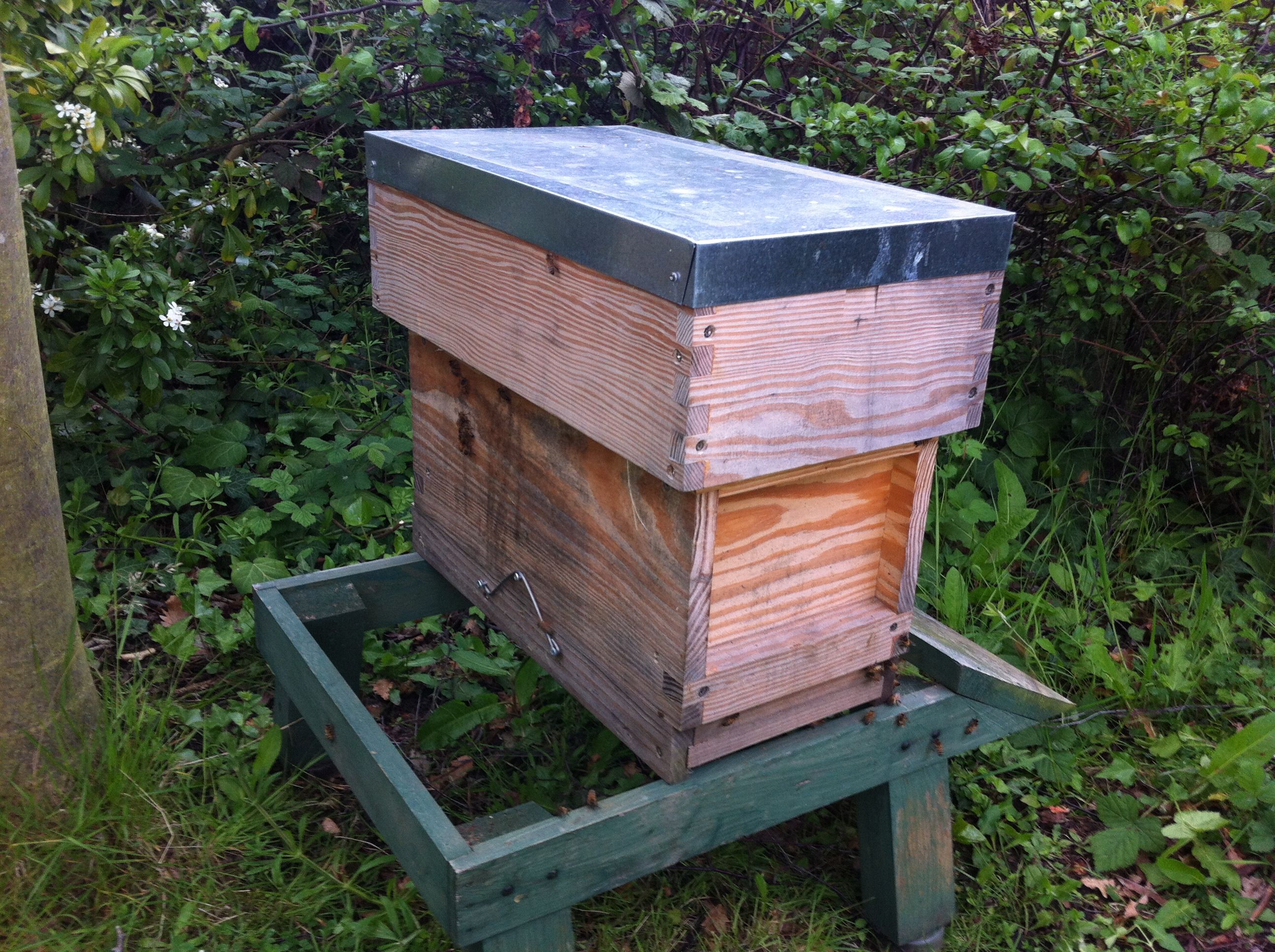
Avery Hill Meadow Beehive

Avery Hill meadow beehive with woodpecker protection

Camilla Goddard’s bees at the Greenwich Campus were removed on the request of LOCOG and they spent a few months on holiday in London Fields in Hackney and Covent Garden in central London. They are being moved back into the hives as we speak and will be looking forward to being back in Greenwich!

Carbon Saving at the NRI Glasshouse and Insectary

Today Charles Whitfield from the Natural Resources Institute tells us about how they are contributing to carbon saving at the University of Greenwich through upgrading and updating the glasshouses and insectary:

Progress on the Glasshouses

Progress on the Glasshouses

Over the last few months the NRI and Facilities Management in conjunction with the University of Greenwich Sustainability Team have made some huge improvements towards reducing energy consumption in our glasshouses and insectaries. The glasshouses were installed over 20 years ago. Although they were built to a very high specification and have lasted well, they have been due for an upgrade for quite some time. The recent refurbishment project has involved:

  • Replacing the old 3mm glass panes with tri-walled, high insulating, polycarbonate sheets (24 – 40 % reduction in heating cost). (For the heating geeks, 3mm glass has a U-value of 5.9 and the new polycarb had a value of 3).
  • Installing new doors with better insulation and seals.
  • Adding light sensors to the hi-lux sodium lamps so that can come on automatically if natural light is too low.
  • Removing the FCU heaters from the ceiling which will vastly reduce heat wastage via open ceiling vents as well as allow more natural light into the compartments.
  • Upgrading the control systems to link the heating and cooling systems so that they work together (rather than individually as before).
  • And finally, preventing the disruption of research and saving precious time and energy, we have replaced all the insect screens to reduce incidences of pest outbreaks in the compartments.
  • Improving online BMS access for the glasshouses so they can be monitored and controlled remotely by NRI technicians

At the same time we have also installed new hoses and water guns to reduce water wastage, and work will soon start on repairing and repainting the floors. In addition, the cleaners spent several sweltering days scrubbing 20 years of limescale from the internal glass partitions.

Cleaners working hard at making the glass see through!

Cleaners working hard at making the glass see through

Energy consumption in the insectaries has been reduced by a number of upgrades to the control systems and ceiling lights. We now have the ability to ‘shut down’ rooms that are not in use. Energy efficient fluorescent lighting has been installed in rooms that originally only had high energy lighting. This allows us to switch over to the energy efficient lighting if the room is not currently being used to grow plants. Not only does this reduce energy consumption by the lights but also reduces the amount of cooling required in the roof space (the high energy lights produce a huge amount of heat). Manual light switches have been added to all the CT rooms in the insectary as well as the EAG room, and post room (so the lights no longer need to be left on all the time).

The finished glasshouses

The finished glasshouses

Overall, these improvements should provide a substantial reduction in energy consumption by the NRI facilities and give users more control of their workspace.

August Progression in the Community Allotment

Our community garden at the Avery Hill campus continues to progress and expand! We now have a beautiful shed where we keep our tools:

painting the shed!

Over the course of the last few week some of the Brassicas crops were badly attacked by nasty cabbage caterpillars. These are often found in large clusters and are easily spotted thanks to their distinctive yellow and black patterns (they can grow up to 2 inches!). Plants should be examinated regularly to prevent the damage or gown under fine mesh netting to stop butterflies laying eggs. Beneficial wasps are particularly effective at controlling these pests, or else they can be picked off by hand. Unfortunately we had to remove some badly damaged plants, such as cabbage and radishes.

leaf damage from cabbage caterpillars

radishes were cleared - because damaged by caterpillars

In the meantime, all of the cucurbits are growing particularly vigorous, they require a lot of space and therefore are expanding out of the bed:

cucurbitaceae family bed

The resuts are some delicious courgettes, pumpkins and squashes coming in different varieties and shapes:

growing courgette

discovering a massive squash hidden among the leaves!

very heavy!!

This summer the weather has been particularly wet and tomatoes and peppers have struggled but are now slowly ripening:

ripening tomatoes

shiny pepper

We also harvested our first carrot!

very long carrot (though a little bit pale!)

We also decided to experiment a bit and sow some peas where potatos and tomatoes used to be. In a rotation system, leguminosae plants (such as peas) follow the “heavy feeders” plants (such as tomatos) which use up a lot of the nutrients in the soil: peas roots in fact will fix nitrogen, promoting soil fertility. August is probably not ideal time to sow peas because they often struggle in cold wet soil – we might have to grow them under cloches. However we hope the weather will be relatively mild until October – just like last year – and even if the plants will not produce many pea pods, they will still function as green manure that improve soil fertility.

sowing peas

We also transplanted some young tiny leeks into another bed:

lifting the leeks cluster - they were closely spaced in this patch of soil

As a general rule, when transplanting young plants it is important to minimize root damage: for this reason we should always handle them by the leaves and try to keep as much soil on the roots as possible.

Pam transplanting the leeks

Before transplanting, we first made 6 inches deep holes, 8 inches apart in the bed; we watered well the group of leeks, these were then divided one by one with the help of a fork; each leek was dropped into a hole and watered in order for the soil to gently settle around the roots.

job done! after transplanting, wilting is common but plants will eventually recover

And finally, some beneficial wildlife: a hoverfly

tiny hoverfly checking on the pumpkins

4th July Work Day

While the summer struggles to settle in and the sun is very shy, our garden in Avery Hill is looking good and flourishing with vegetables! We finally see (and taste!) the results as we keep on harvesting the abundant products from the raised beds.

our beautiful garden!

The plants must feel slightly confused with all these weather extremes, with moments of sturdy sunny heat followed by long pouring rain: the rocket for example couldn’t resist and bolted we had to remove all the flowers!

the rocket flowers as they bolted

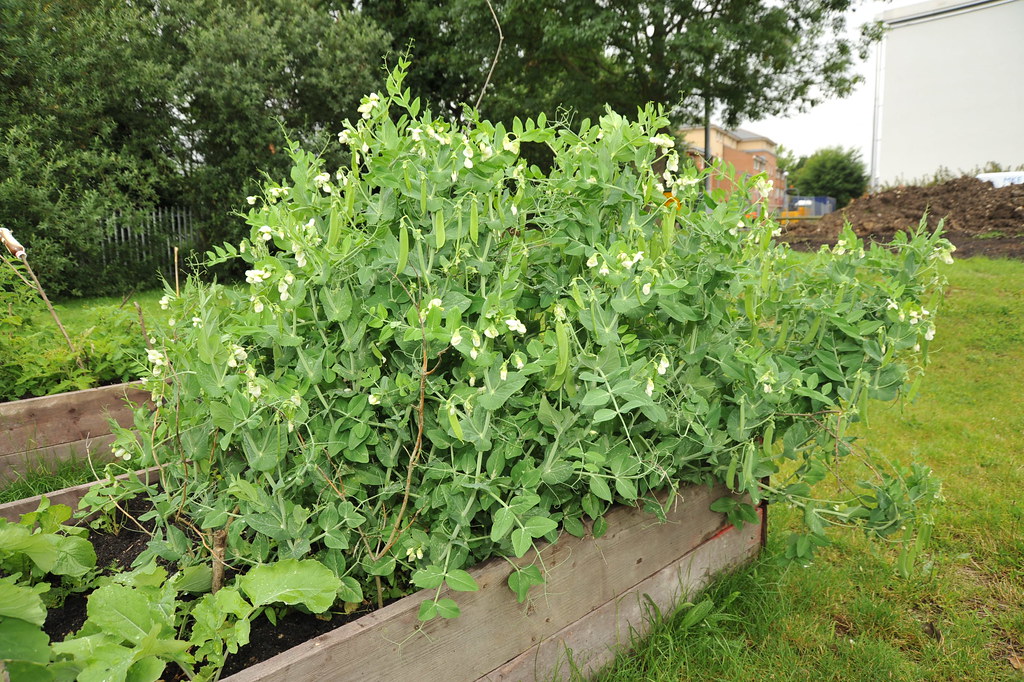
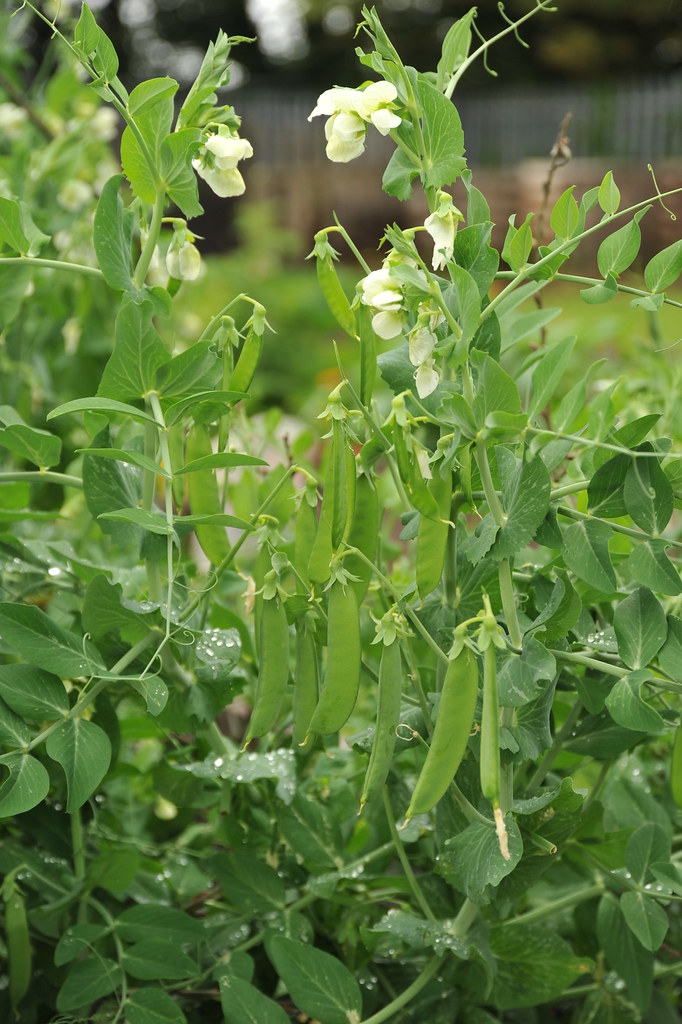
However some other plants are doing very well, such as the peas – looking gorgeous!

our pea bush!

lots of peas!

Radishes are growing full of flavour and massive in size

Jon with the radishes

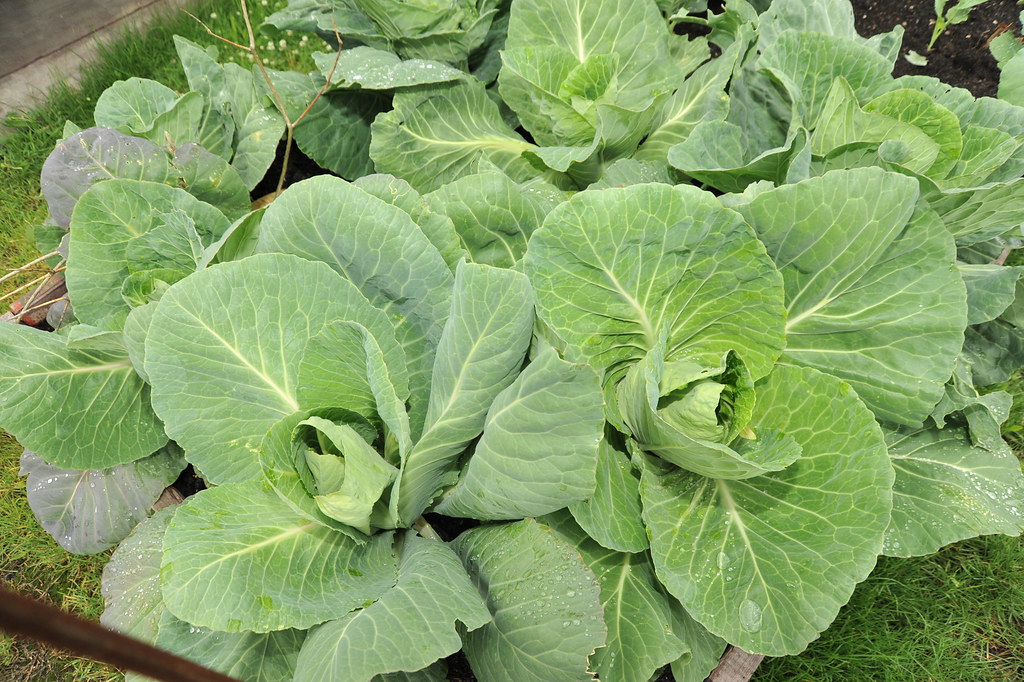
Also the lettuces, Swiss chard and spinach are thriving with abundance in their beds; the brassicaceae (the Cabbage family) bed is also looking very happy with beautiful cabbages and lovely kale (the very Italian Cavolo Nero).

wonderful cabbage

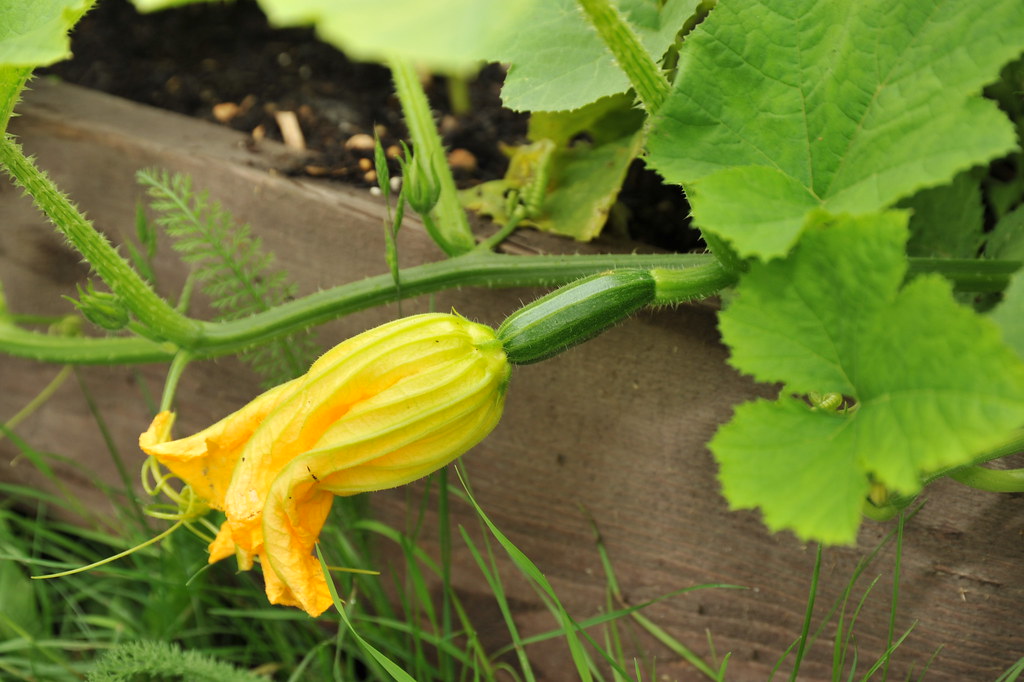
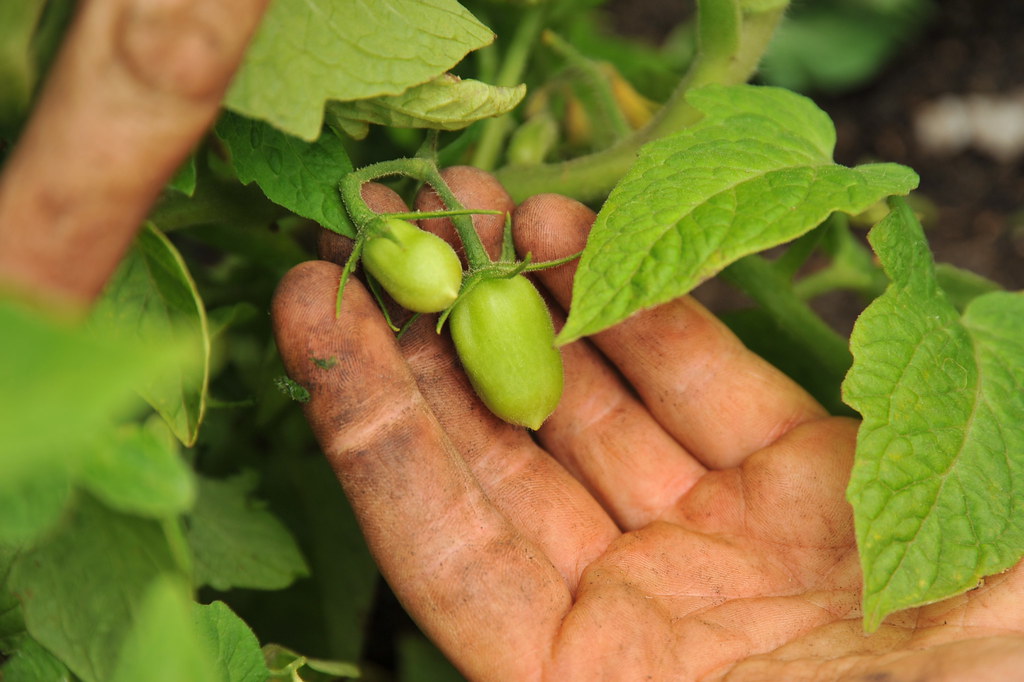
In the meantime, the first tiny tomatoes, marrows and beans made their first appearance and are joyfully getting bigger (yummy!) I’m looking forward to taking my first bite!

tiny courgette growing

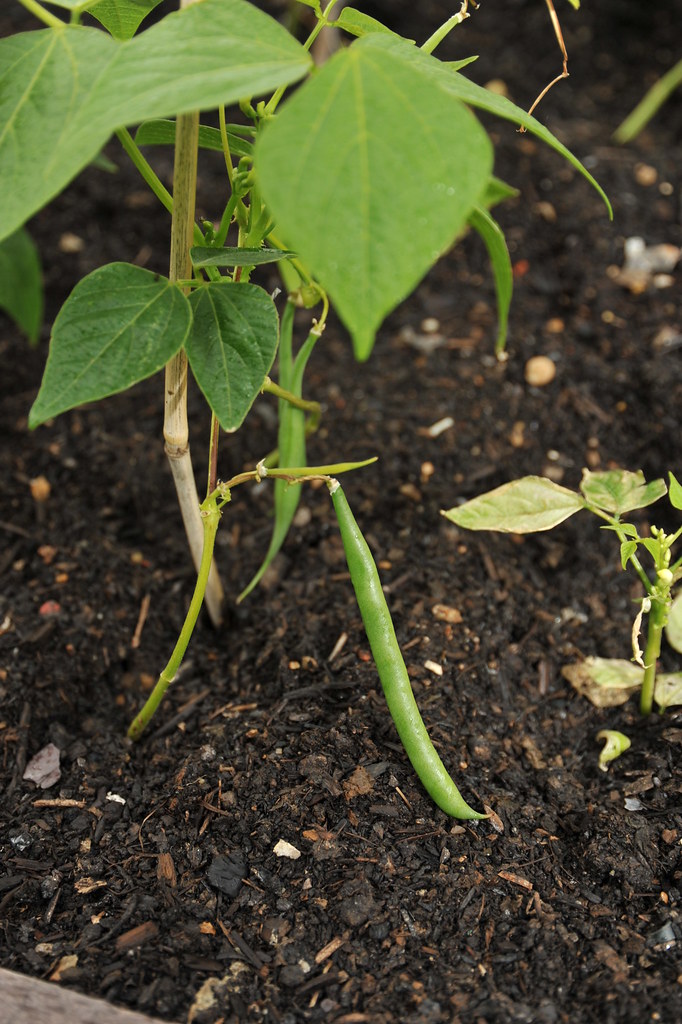
our first beans!

Last Wednesday we had a very nice full day of work and achieved big results. The toughest one was moving the mountain of compost from the upper side of the garden down to the compost area. This required a good amount of passion and muscle power, happily donated by our own very strong men James, Julian and Stefan.

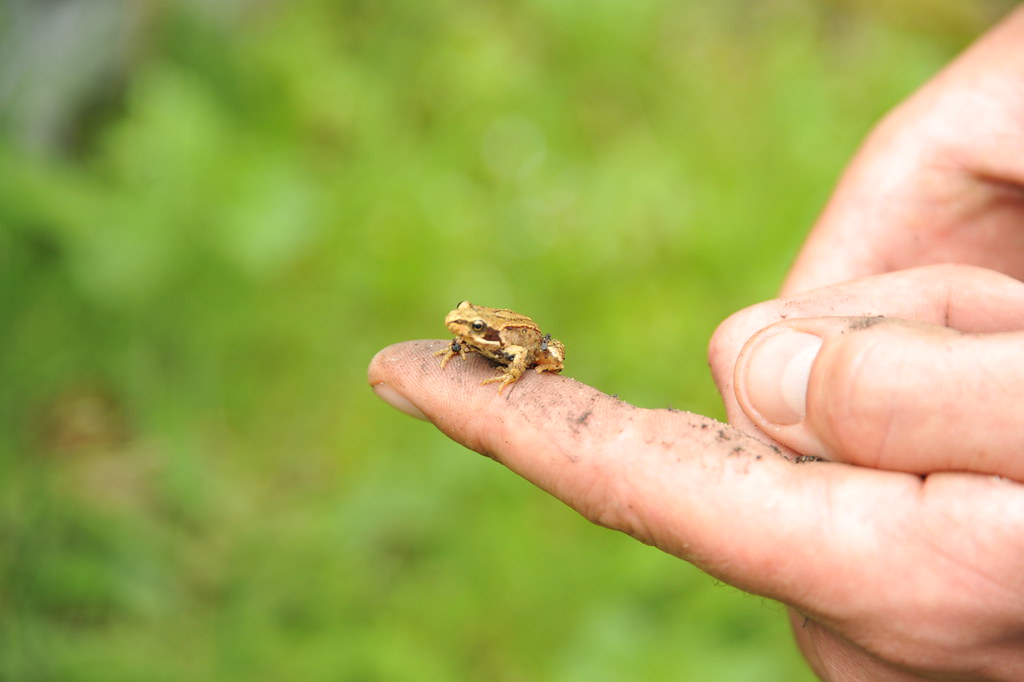
While we were all working very hard, this tiny lost frog came to visit:

unexpected visitor

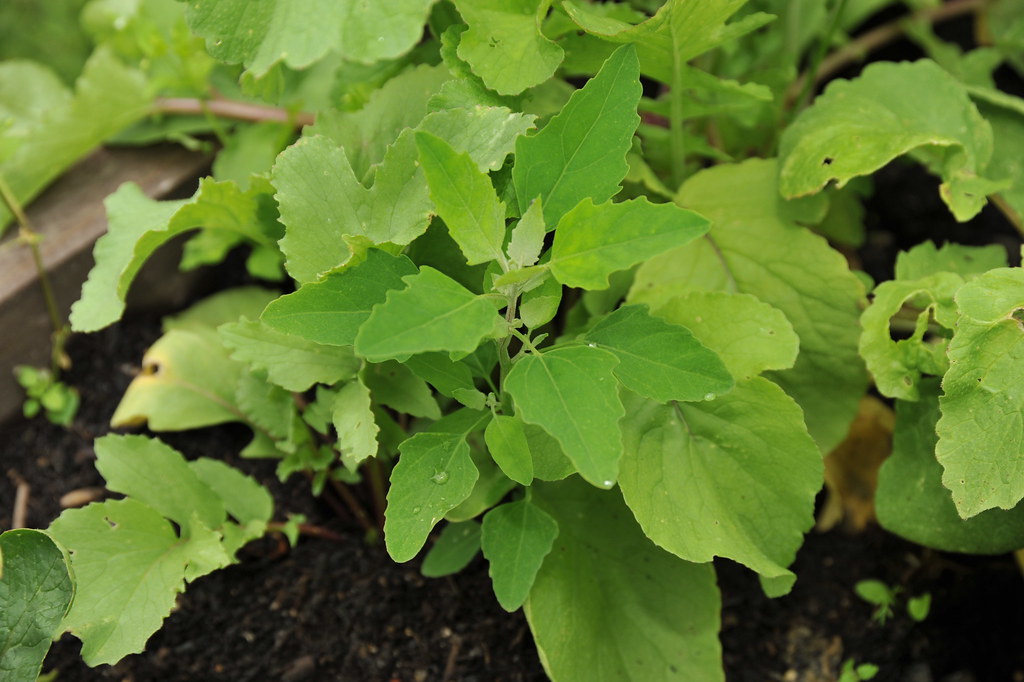
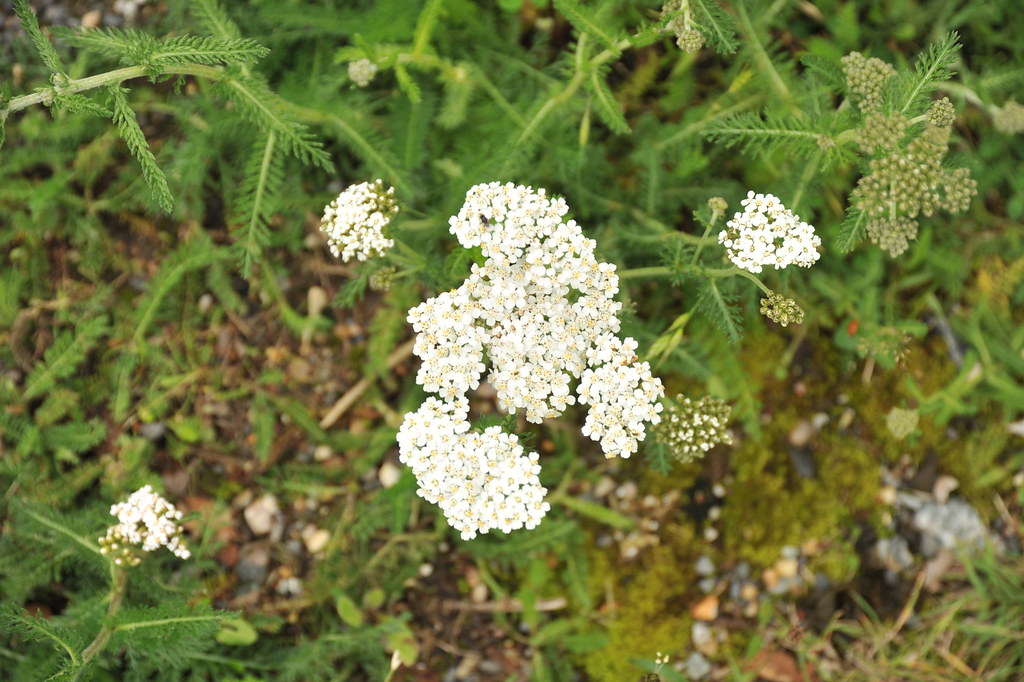
Other tasks involved clearing the beds from the weeds that had peeped out from the ground since last week – such as yarrow and fat hen. These are very common weeds that can grow spontaneously almost everywhere and – although can be annoying if you didn’t want them to be there – can be edible and useful. Fat hen for example tastes nice if eaten raw in salads or cooked in tasty risottos; yarrow flowers can be used in infusions against hay fever and are also important source of food for beneficial insects.

fat hen with radishes

scented yarrow flowers

We carried on transplanting some tomatoes seedlings in one of our solanaceae & cucurbitaceae beds (potato and cucumber families) where also courgettes and aubergine are now growing. We also planted giant sunflowers in the corners of different beds and next to their cousins the Jerusalem Artichokes. These sunflowers will soon look spectacularly tall and will make great companion plants as aphids love them and hopefully will hang about up there, leaving our lovely crops alone, for us to enjoy!

The favourite job of the day was to prune the tomato plants as the smell was so nice! Pruning tomatoes is very easy and extremely beneficial to the plant as it will increase fruit size and quality, while also reducing risks of diseases. The basic method of pruning is to remove the lower leaves at the bottom of the plant and the suckers that grow from the leaf axils, you do this by pinching them with your fingers every 7-10 days throughout the growing season.

the first tiny growing tomatoes!

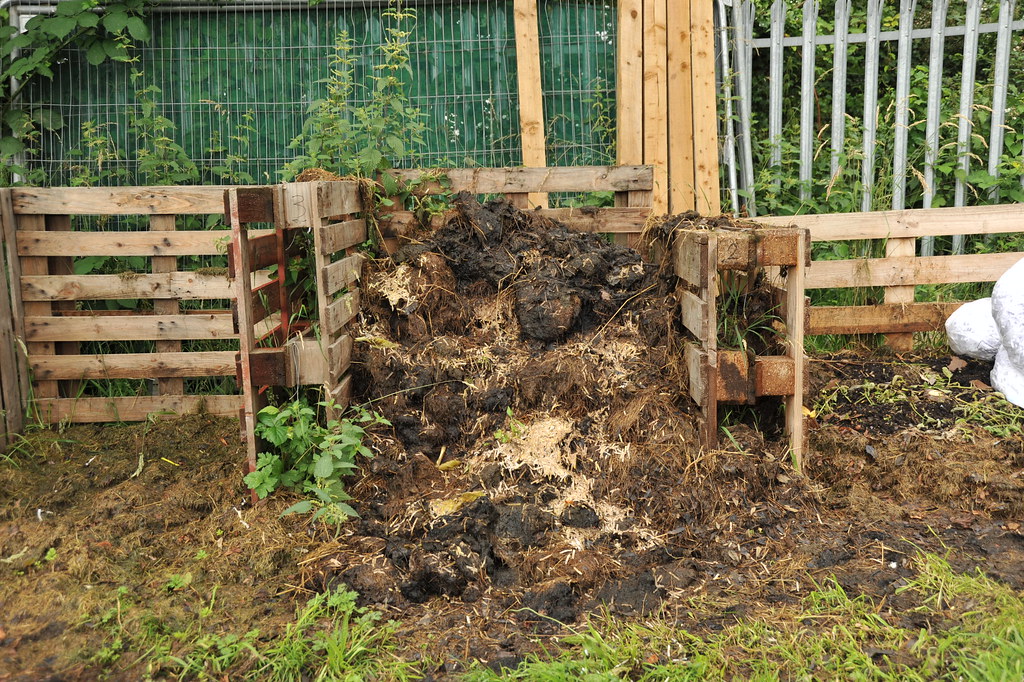
The less pleasurable task instead was moving the stinky pile of organic matter (mostly grass residues) from the first compartment to the second one, this was bravely carried out by me and Stefan in turns. The key to make good compost is to use a mixture of ingredients: young, moist materials, such as grass clippings, known as “greens”, rot quickly resulting in an unbearable smelly sludge; this is why they need to be mixed with tougher, dry items like old bedding plants – “browns” which add the necessary fibre and a supply of air to give the compost a good structure. These can also be scrap papers and packaging like paper bags or cardboard for example – to provide a good balance. The compost area is one of the most important in a healthy garden. This is where organic matter is broken down by microorganisms and other little creatures, like worms and woodlice, which will provide our soil with all the nutrients our plants need.

the compost area

There is still a lot to do and to be enjoyed at the community garden so for those who want to practice their gardening skills or simply have a breath of fresh air on those working days, come along and join us! We are here every Wednesdays!

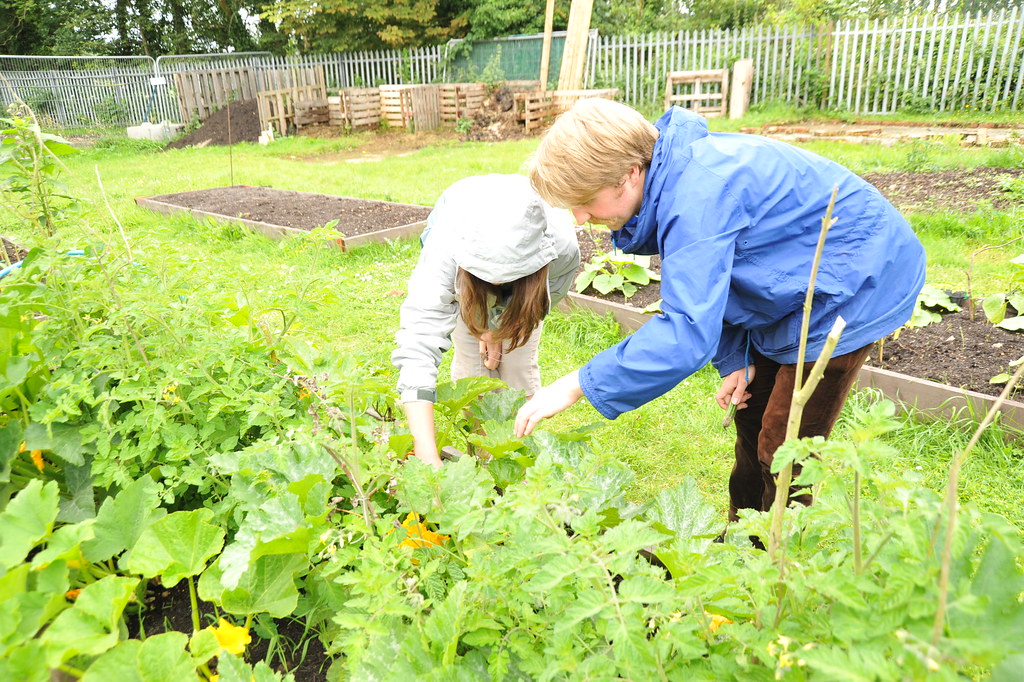
our very own special gardeners, Jon and Kat, checking on the vegetables

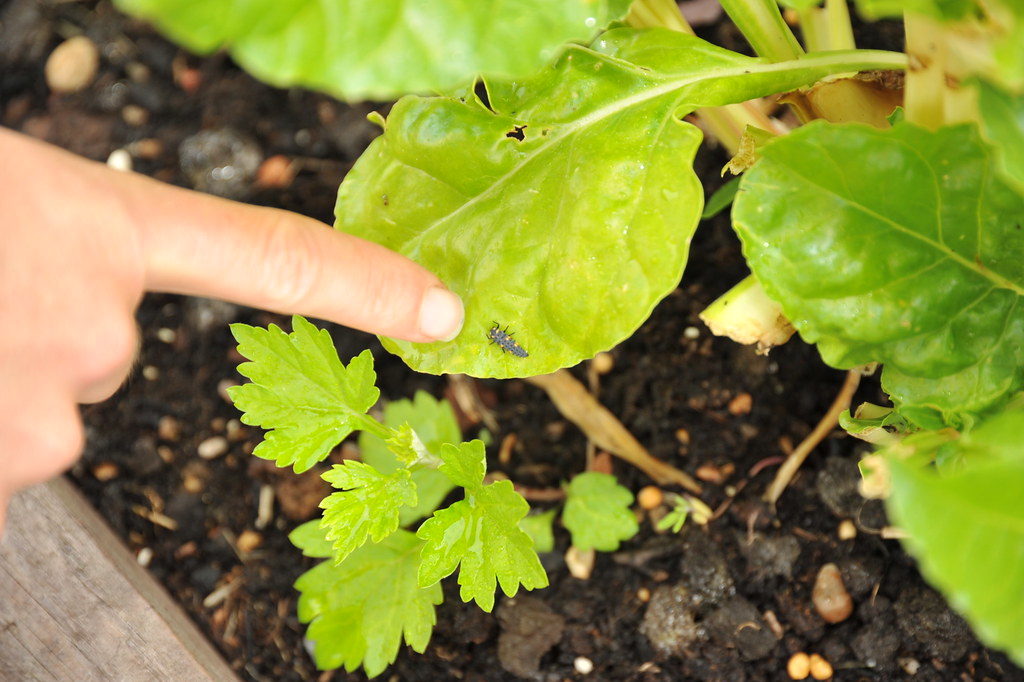
the gardener's best friend: a ladybird larvae

Two hives from one! Bees at Southwood House

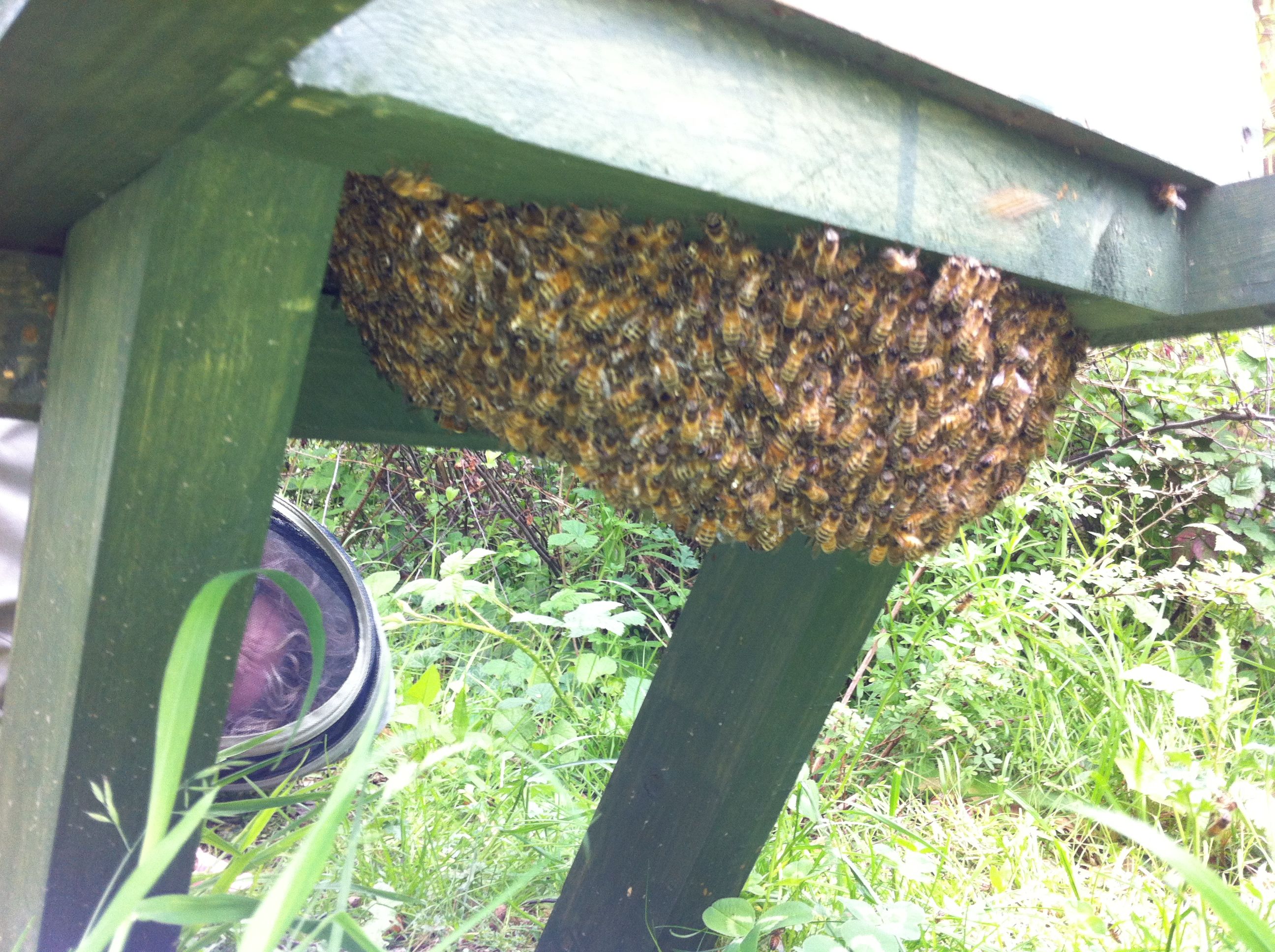
Last Friday saw our bees at Southwood House in Avery Hill start a swarm and the formation of a new colony. The building services team spotted the bees gathering in a swarm underneath one of the two hives while doing a walk-round check of the campus. After a couple of telephone conversations with our beekeepers, John and Christine Hird (the beekepers for our Southwood House bees) decided to come and visit the bees and see what ought to be done.

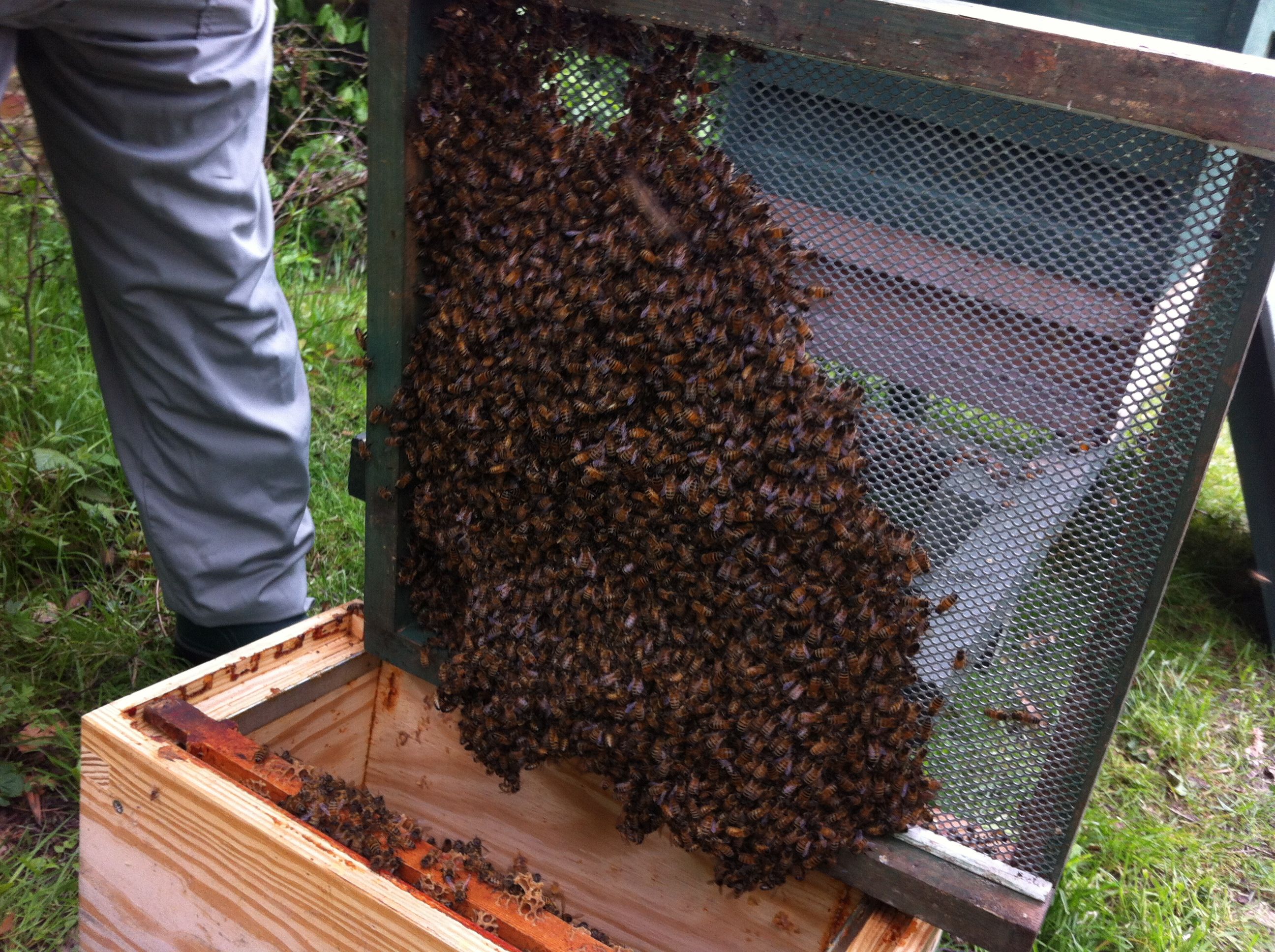
Bees swarming on the bottom of the hive

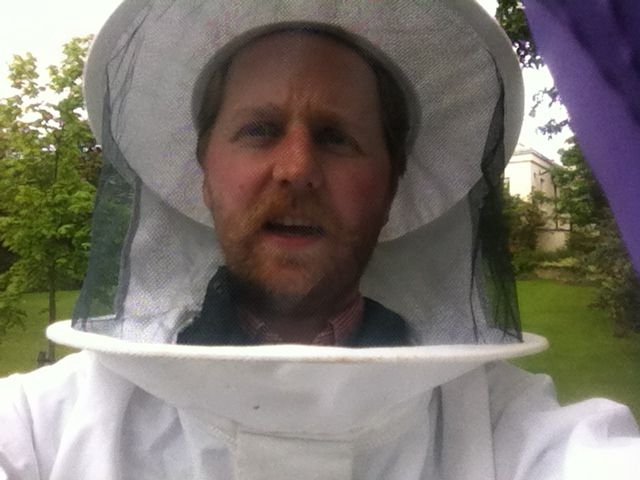
John tries on some of the protective bee keeping clothing

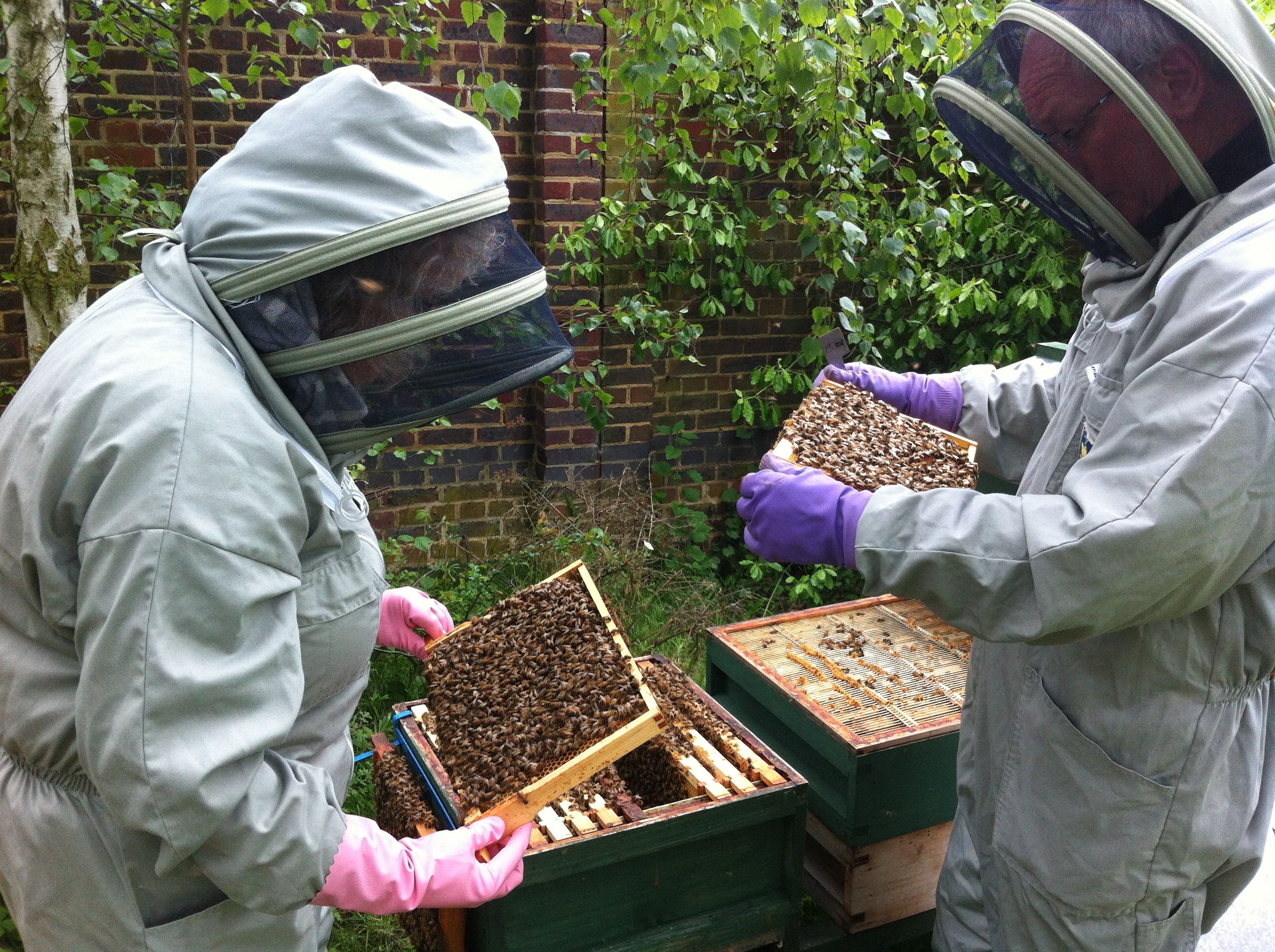
When John and Christine arrived we donned the protective clothing and had a closer look at the swarm that was forming. Bees tend to swarm when they are looking to replace an older queen with a new one and is part of the reproductive cycle of a hive. The hive will create some queen cells and the queen will lay eggs in these, then the hive will stop feeding the queen so that she is lighter and more able to fly. When the old queen leaves the hive (sometimes taking as many as 60% of the bees with her) she will find a resting place while the scouts look for potential new places to form a hive. The scouts go off to look for new loactions and the new location is determined by the level of excitement the scouts communicate about to the hive. This process normally takes around three days and the bees tend to be non-agressive during this time as there is less focus on defending brood.

When we had a closer look at the bees it was clear that this is what they were doing but rather than let the scouts find a new home and lose the swarm of bees John and Christine decided to capture the swarm and place them in a new hive or a ‘nuc’. This would lead to us getting two hives from the one hive that had started swarming. To do this John opened up the hive and started to look to see if the queen was there and look for queen cells. As expected there were a few queen cells and no sign of the queen bee in the hive, this meant the old queen had left and was looking to create a new hive and the remaining bees were looking after the queen cells and brood inside to get a new queen for the old hive. After the hive had been checked we then went to capture the swarm in the nuc.

Checking the hive to see if the queen bee was still inside

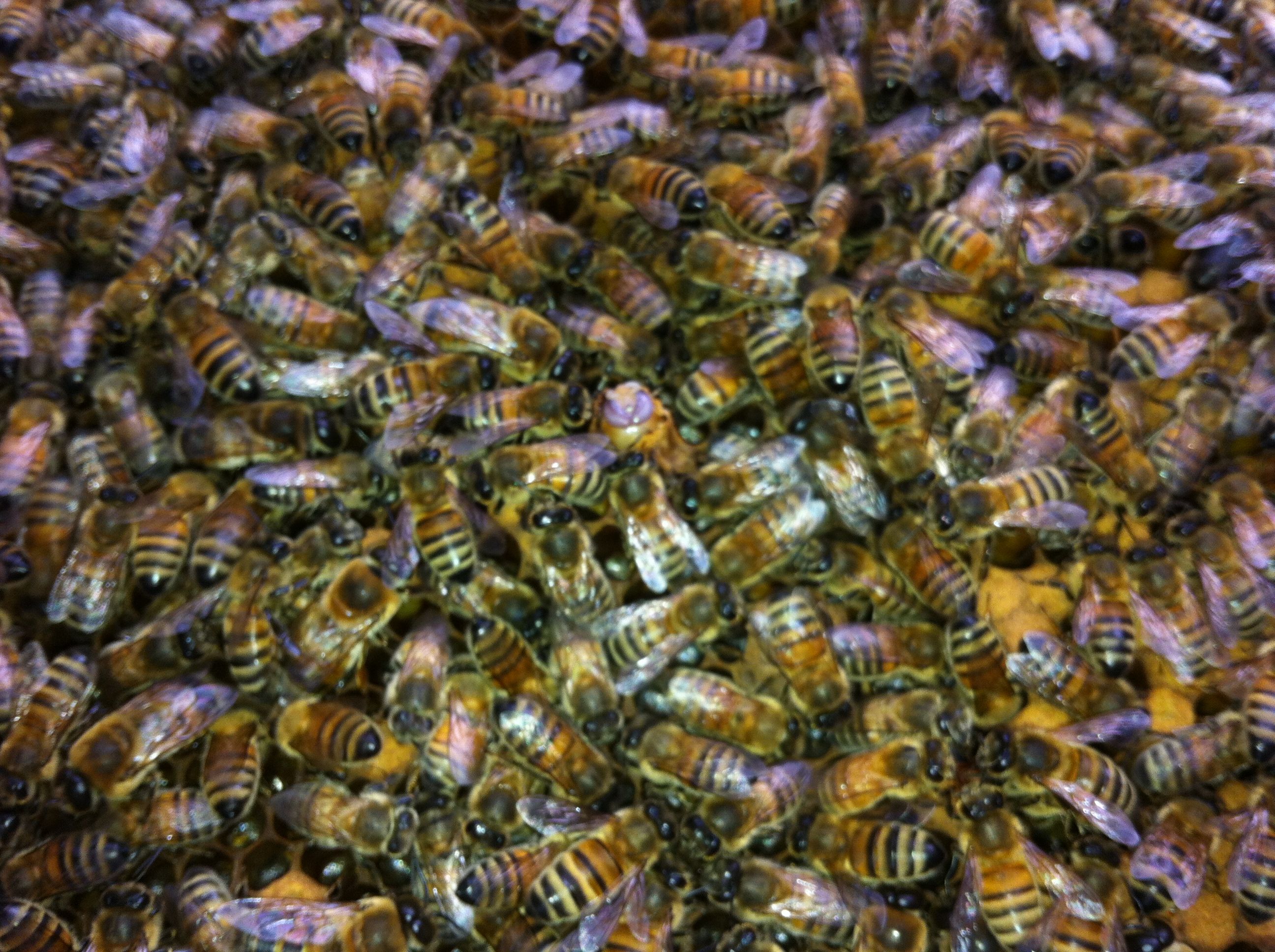
Getting a closer look at the bees working on the cells

Normally bees would swarm in a brach of a tree which would then require a litte shake to get them to fall into the new hive but as they were attached to the bottom of the hive this meant we had to take apart the hive and get the nuc right underneath it – with a couple of bashes and a couple of brushes the majority of the bees were in the nuc. The queen went in and soon enough the remaining bees on the bottom of the hive started to diminish as they followed the queen into it. The nuc was then fitted with a couple of frames so that the new hive could stat to form cells for the queen to lay eggs and the hive to bring up some new brood and of course seal off some honey too!

Moving the bees off the base of the hive into the 'nuc'

The nuc - now with the swarm of bees inside along with the old queen

Community Garden at Avery Hill Campus

It has been an exciting past few weeks at the Avery Hill Campus as the community garden allotment has started to take shape. The garden now has eleven raised beds built, four of them filled with compost, a line of compost bins ready for our waste and a huge pile of compost donated from CJS Plants who occupy the (plant) nursery on the Mansion Site.

We have managed to achieve this in just four work days and the hard work of 25 staff and student volunteers! The garden is very much still in its early stages, and we still haven’t actually planted anything yet but the good news is we will be starting that on Wednesday.

We are going to be joined by Capital Growth who will be taking us through the basic skills required for looking after a community garden and showing us what to plant, how to plant it, when to plant it and where to plant it. We will be taught about companion planting and how certain species of plants work as well together in the vegetable patch as they do in the soup pot! Of course everyone is welcome to come along whether you are a student, staff member, friend, relative or just curious – we will be at the garden from 12noon – 6pm. Email: sustainability@gre.ac.uk to find out more.

The first work day saw ten of us uncover a shot put circle, reveal the base of a burned down shed and build the compost pens from pallets that had been recovered from around the campus. The shot put circle is a legacy from sports fields that used to be on the site, last year we removed the hammer throw to make room for our orchard! The end result can be seen below:

Compost bins built from recycled pallets

The following work day we then focussed towards getting some raised beds built, using second hand scaffold boards salvaged in East London and wooden posts we were able to start constructing the beds. The raised beds are being treated with a non toxic wood preserve which means the beds should survive through the wet weather without starting to rot and break up – the non toxic preserve is chosen specifically to make sure that any preserve leaching into the soil is harmless to any plants and vegetable being grown. The method for building is very simple – driving four coach screws through the boards and into the posts at each corner and while we have made the best effort to make sure the corners are at 90 degree angles apparently the vegetables won’t mind the eccentricities that we may have created!

Constructing the first raised bed

The beds have been set straight on top of the ground and are starting to be filled with compost. The compost will block off the light to the grass below meaning it will die off and start to rot and become part of the compost too. As the beds get worked on and the vegetables grow the soil and nutrients below ground level will eventually become part of the soil the fruit and vegetable plants will be growing into. This means that while the beds may appear quite short and as though you wouldn’t be able to go particularly deep the vegetables and roots of the plants will in fact be going below the ground level.

Loading the compost from the truck into the bed

We are now at a stage where the last few beds need to have the wood preserve painted on them and the rest of the compost beds need to be filled with the compost we have on site. The four of them that are already filled just need some seeds and seedlings planted into them and then for nature to work its magic!

Raised beds ready for filling, painting and planting!

Students Working for Sustainability and Festive Cheer

This week the Sustainability Team has been finding a little bit of time in between eating mince pies and chocolates to consider the opportunities we have for students working in the Sustainability Office. We met Sarah Sheikh from the Business School, who has been encouraged by Mary McCartney (Business School Sustainability Champion), to find out what we have within the Sustainability Team for students to get involved in.
As usual the Sustainability Team is looking for students to become involved in all sorts of projects relating to a multitude of different subjects. The first position we are offering through the Business School is the position of Fairtrade Intern. With Fairtrade Fortnight coming up in February and March next year there is loads of Fairtrade fun to get involved with and great opportunity for a student to get experience in running events, project management, communications, administration, charity sector work and of course trying out all the latest Fairtrade products – whether it is chocolate, bananas or cotton buds! Sarah will be inviting Business School students to make an application to the role and if you are the lucky chosen student you will get a chance to really get involved and help influence the University’s policies and delivery of Fairtrade events.
Naomi Debrah the 2010/11 Fairtrade Intern
The Sustainability Team will not be stopping there though! We have many more opportunities within the team for all sorts of different things, just last week Stuart Ashenden  in the School of Engineering recruited a student to start auditing the University’s water usage, following on from previous projects completed by students on the University’s energy use and travel. We currently have a couple of students working with Debbie Bartlett in the School of Science on the biodiversity projects going on across the campuses, you may remember Michael Fray providing us with some excellent bee photos while conducting a bee survey at Avery Hill: http://greengreenwich.blogspot.com/2011/04/bees-found-on-campus.html and recently Charmaine Wijemanna presented to the Biodiversity Steering Group on a pioneering new project developing the University’s Campus Management Plan: http://www2.gre.ac.uk/about/news/articles/2011/a2124-landscape-ecology-msc. At the School of Education the students training to be teachers are currently implementing sustainability projects in the schools where they are completeing their placement.
Isabelle Monk collecting for the end-of-term Re-use Project

The Sustainability Team is always keen to make the best use of the amazing resource we have within the student population and we have loads more opportunities whether it is with Fairtrade, biodiversity, waste, communications, event management, water, energy, video making……. anyway you get the picture! Thinking back over the last year the Sustainability Team has been greatly supported by student interns who have all now gone on to graduate and find employment, often with a bit of support from the Sustainability Team as well. Naomi Debrah was our most recent Fairtrade intern, a great personality during Green Week this year and instrumental in gaining the University Fairtrade status. Stefano Maggi has gone onto work for an Australian radio station after being the driving force behind the communications of Green Week, Catherine Brown and Keir Burrows have both found work after helping us with our environmental management system and Isabelle Monk who worked on the end-of-year Re-use scheme went on to get a job in the charity sector and now works at ATD Fourth World.

As well as asking for some new student interns this Christmas we have also noticed that Santa has been starting to consider his environmental impact and the carbon footprint of his work. Ethical Ocean have had a go at measuring Santa’s carbon footprint for him:

Infographic Source: http://tiny99.com/726453  

And Santa also got Futerra to compile an end of year sustainability report for him. http://www.futerra.co.uk/wp-content/uploads/2011/12/Santa_CSR_Report1.pdf

If you are considering how you can have a green Christmas you may want to check out how to ‘upcycle’ a Christmas tree: http://www.upcyclemania.com/

Whatever you are doing this Christmas the Sustainability Team wish you a very merry holiday season and a happy new year: http://sendables.jibjab.com/view/JprvaFyHoYsE1cee