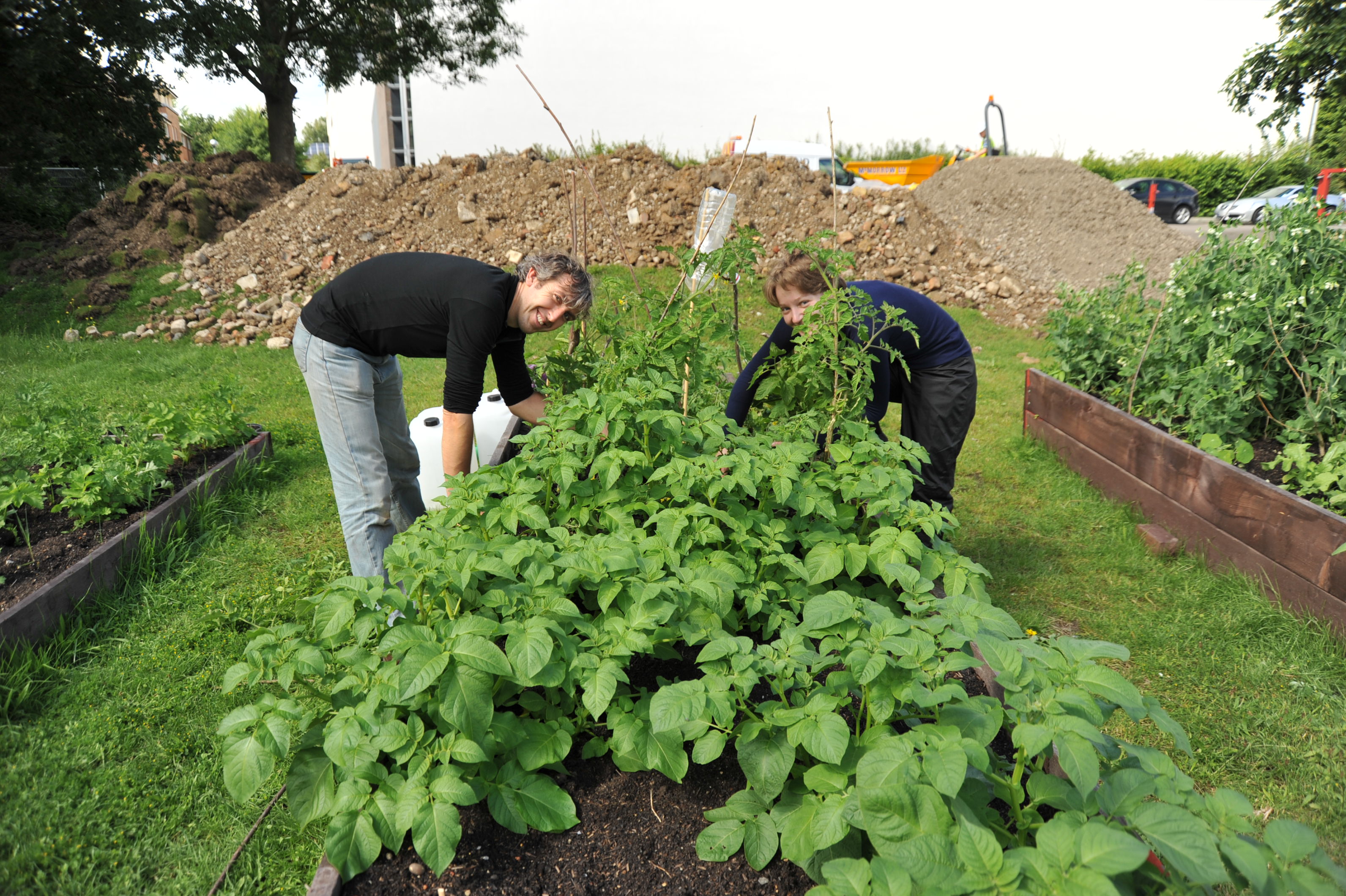
My year as an Avery Hill gardener & forager by Alice Coyle

As the beautiful Autumn colours begin to fade into the stark grey, white and blues of winter, the gardeners’ task changes from a focus on planting, watering, weeding and harvesting to one of replenishing the soil, picking the last of the harvest and tucking the garden in for the winter.

Besides the harvest in the Edible Garden, the campus and its surrounds contains so many edible plants that just ask to be foraged while the internet is a treasure trove of recipe ideas.

We had a bumper crop of blackberries in August, unusually early this year. On my way into work and at lunchtimes, I picked several pounds near Sparrows Farm and along the park cycle tracks.  I took my home made scones, blackberry jelly and cream into work for the Clearing team. Some members had never tasted home-made jelly and all declared it far superior to the bought variety.  The advantage of jelly over jam is that all the not-so-perfect fruit bits get strained out.  I also used  blackberries added to stewed apples and pears, sweetened with honey gathered from the beehives on the campus and sold in the student union shop.

I cooked rhubarb by chopping it into 2-3 cm lengths, spreading the pieces in a baking dish, adding grated ginger and a small amount of water then sprinkling it all with honey or brown sugar before  and baking it for about 20 minutes at 180oC.

Tucked away at  back of the campus I discovered a lone damson plum tree.  These plums are tiny and taking their stones out is a nightmare so I made a batch of damson jelly; just as delicious as the blackberry version and just as nice with scones and cream!

We grew squashes in the garden that made wonderful soup while the courgettes (or zucchinis) were delicious cooked as a main course vegetable. The zucchini cakes I made using a recipe I found online sold like hotcakes at our MacMillan fundraiser during Freshers’ week.

We grew a bumper crop of tomatoes in our polytunnel which are lovely munched straight from the vine, eaten raw with salad or in snacks or cooked with other vegetables spiced with our chilli peppers. I made my first batch of green tomato chutney that I am itching to try but because  it needs to mature it will not be ready until Christmas.

We are still picking the last of the rainbow chard and I have enjoyed steaming it or using it as a substitute for spinach in my spinach and brown rice bake – a family favourite from Delia Smith’s Complete Cookery Course book. My most recent experimentation has been making soup from our Jerusalem artichokes. Combined with onions, garlic, celery, carrots and chicken stock it tasted wonderful.

Spending time in the garden allows me time to relax and recharge away from the busy atmosphere of the Enquiry Unit. I have met so many lovely people there that I would never have met otherwise. Cooking and sharing food that I have helped to grow from seed is a wonderfully rewarding experience, and I cannot recommend it more highly.

Below: homemade jams, chutneys and cakes from garden produce. 

IMG_1359

Exciting times at the community garden!

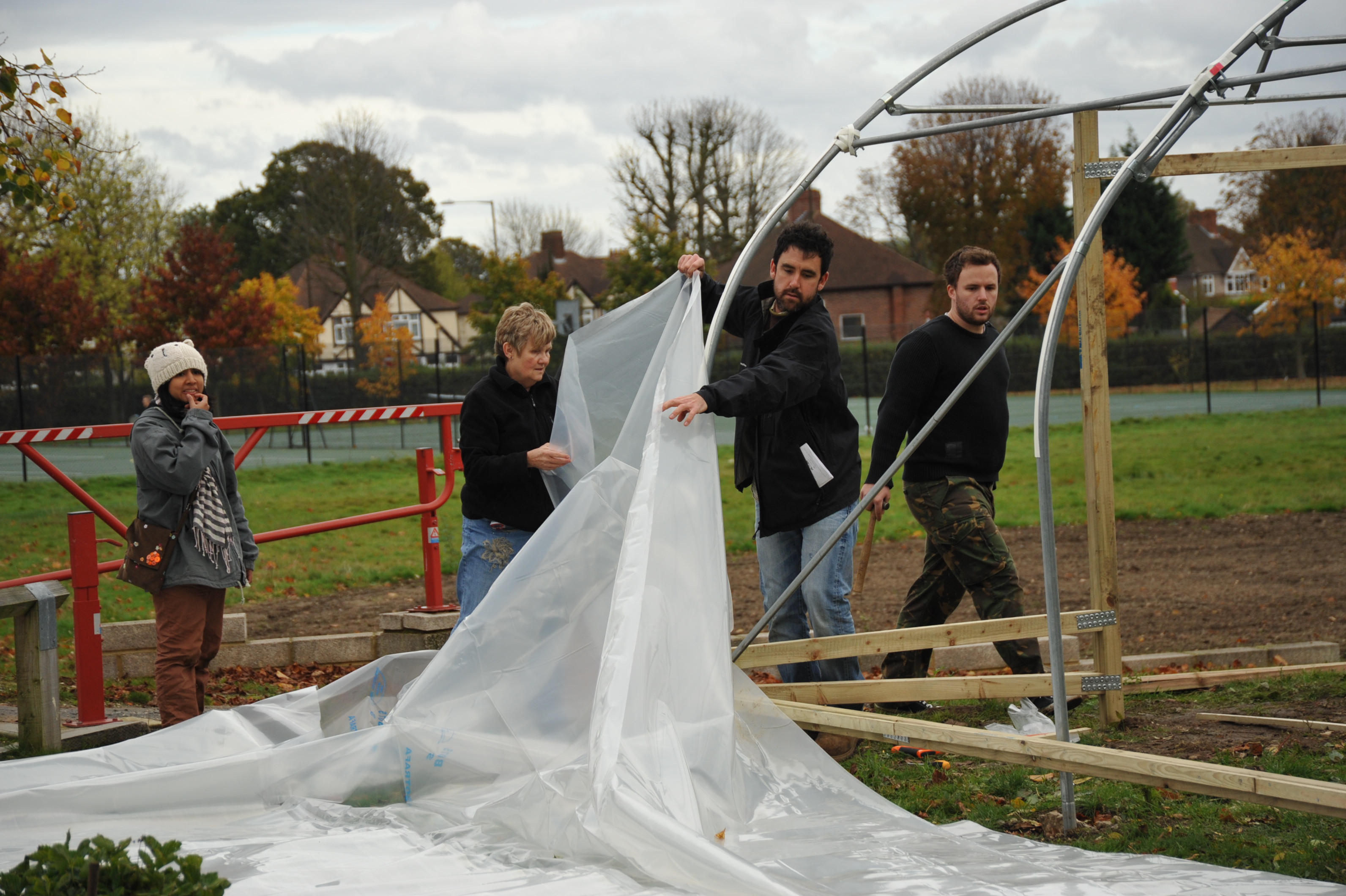
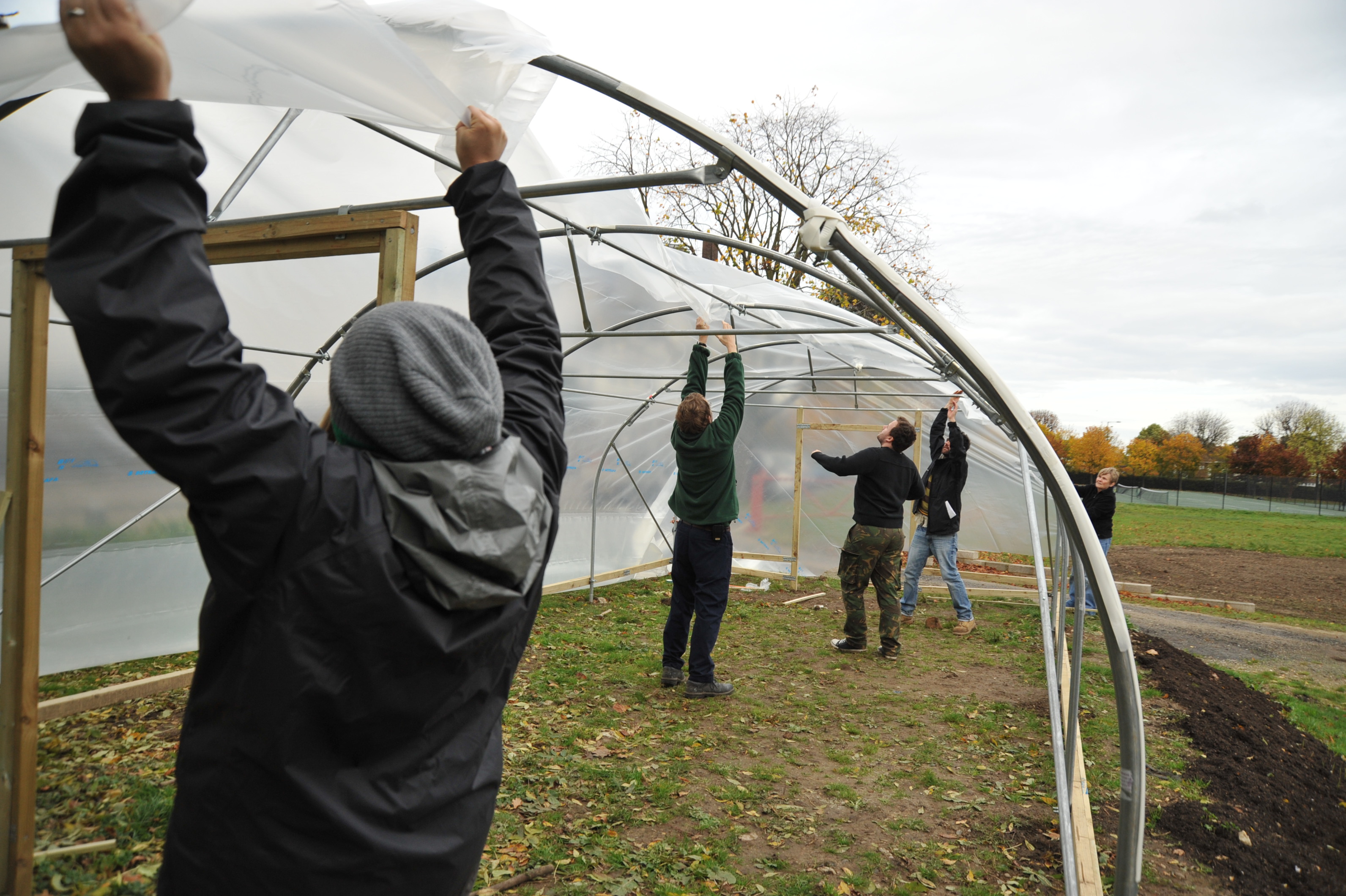
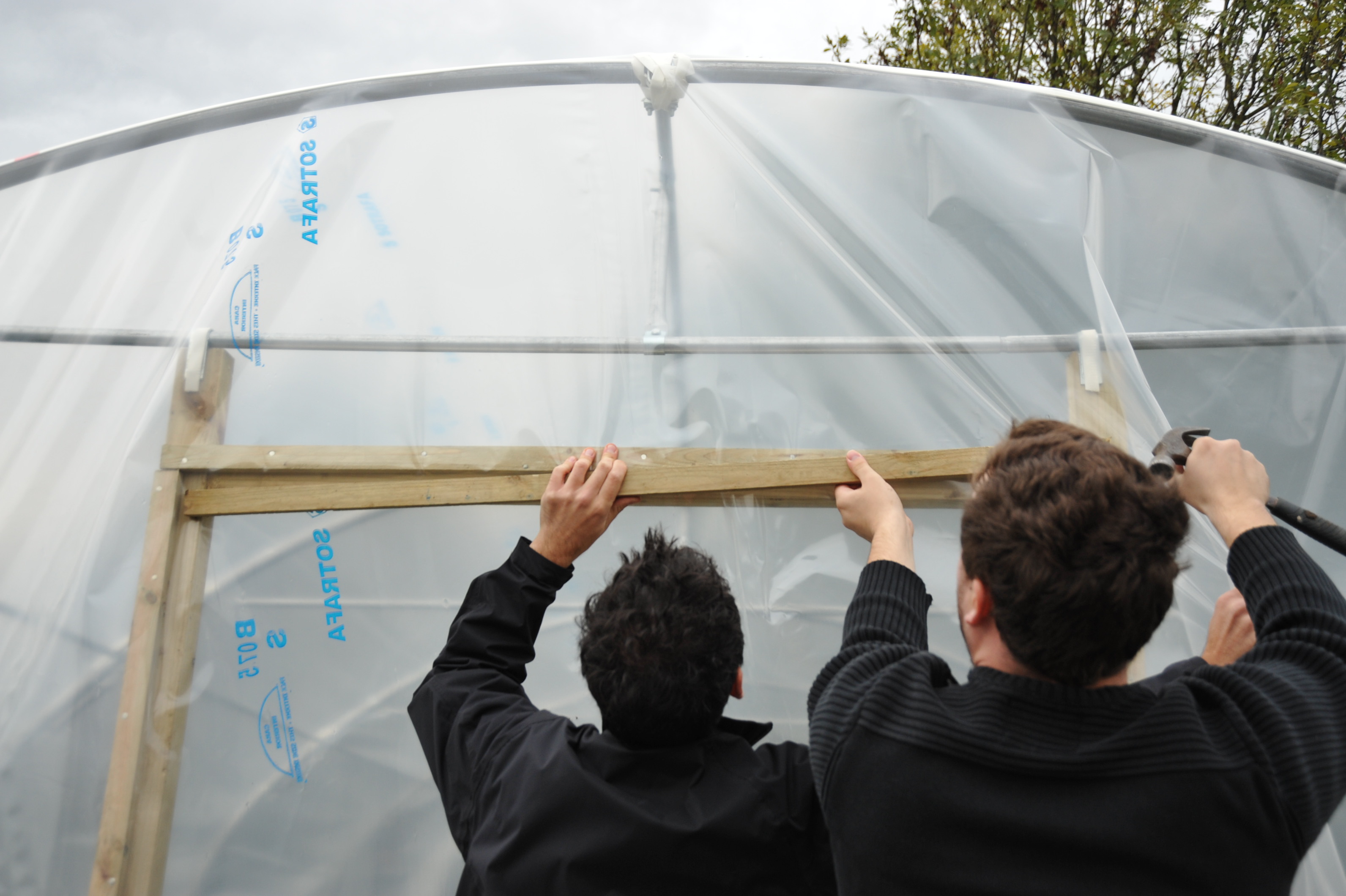
It has been a little bit of a roller coaster constructing the polytunnel for the community garden. We have battled digging through concrete, less than helpful weather and more than a few missing pieces. Last week, however, we managed to prep the frame ready for the polythene covering and despite the high winds and failing light we finally got the cover up and over the frame and secured!

Unfolding the polythene cover

Up and over!

Securing the cover into place

The polytunnel will allow us to extend the growing season and try new varieties of fruit and veg that are a little more sensitive to our British weather!

All the volunteers who have worked on the polytunnel and who have helped keep the garden green while we have been building deserve a massive thank you and congratulations on their perseverance.
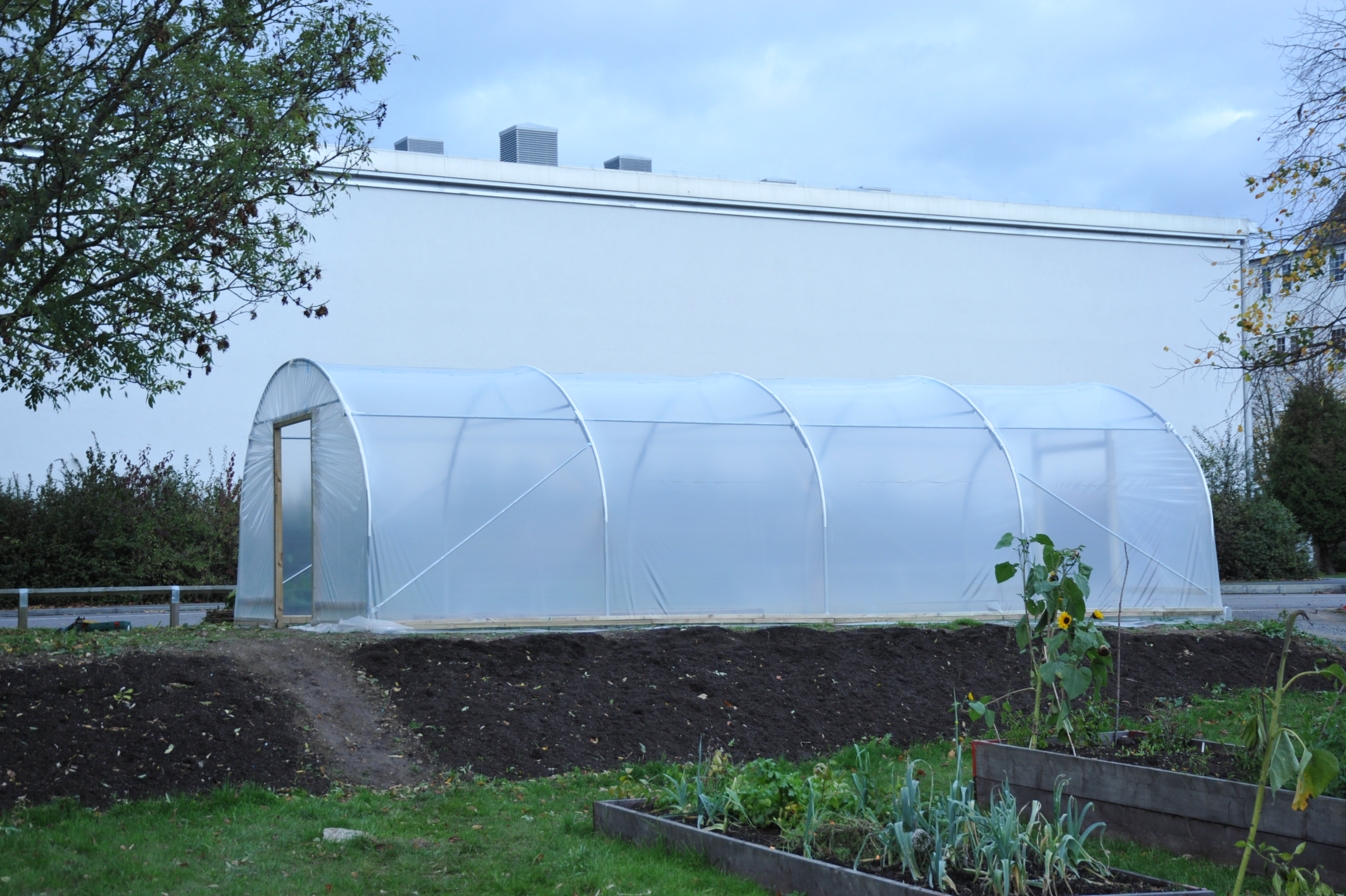
The final product - now we just need to put the doors on!

August Progression in the Community Allotment

Our community garden at the Avery Hill campus continues to progress and expand! We now have a beautiful shed where we keep our tools:

painting the shed!

Over the course of the last few week some of the Brassicas crops were badly attacked by nasty cabbage caterpillars. These are often found in large clusters and are easily spotted thanks to their distinctive yellow and black patterns (they can grow up to 2 inches!). Plants should be examinated regularly to prevent the damage or gown under fine mesh netting to stop butterflies laying eggs. Beneficial wasps are particularly effective at controlling these pests, or else they can be picked off by hand. Unfortunately we had to remove some badly damaged plants, such as cabbage and radishes.

leaf damage from cabbage caterpillars

radishes were cleared - because damaged by caterpillars

In the meantime, all of the cucurbits are growing particularly vigorous, they require a lot of space and therefore are expanding out of the bed:

cucurbitaceae family bed

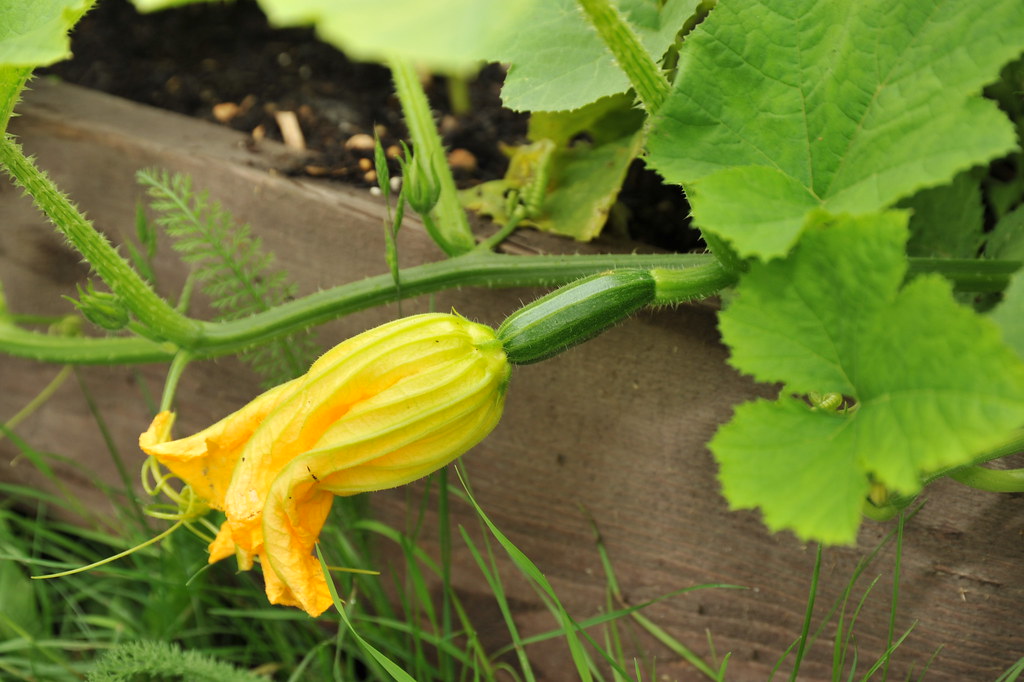
The resuts are some delicious courgettes, pumpkins and squashes coming in different varieties and shapes:

growing courgette

discovering a massive squash hidden among the leaves!

very heavy!!

This summer the weather has been particularly wet and tomatoes and peppers have struggled but are now slowly ripening:

ripening tomatoes

shiny pepper

We also harvested our first carrot!

very long carrot (though a little bit pale!)

We also decided to experiment a bit and sow some peas where potatos and tomatoes used to be. In a rotation system, leguminosae plants (such as peas) follow the “heavy feeders” plants (such as tomatos) which use up a lot of the nutrients in the soil: peas roots in fact will fix nitrogen, promoting soil fertility. August is probably not ideal time to sow peas because they often struggle in cold wet soil – we might have to grow them under cloches. However we hope the weather will be relatively mild until October – just like last year – and even if the plants will not produce many pea pods, they will still function as green manure that improve soil fertility.
sowing peas

We also transplanted some young tiny leeks into another bed:

lifting the leeks cluster - they were closely spaced in this patch of soil

As a general rule, when transplanting young plants it is important to minimize root damage: for this reason we should always handle them by the leaves and try to keep as much soil on the roots as possible.

Pam transplanting the leeks

Before transplanting, we first made 6 inches deep holes, 8 inches apart in the bed; we watered well the group of leeks, these were then divided one by one with the help of a fork; each leek was dropped into a hole and watered in order for the soil to gently settle around the roots.

job done! after transplanting, wilting is common but plants will eventually recover

And finally, some beneficial wildlife: a hoverfly

tiny hoverfly checking on the pumpkins

11th July Garden Work Day

Last Wednesday’s weather was a little undecided but gave us some time to do some work in the garden – in between shiny sunny spells and torrential showers of rain.
The tasks of the day included weeding, harvesting and pruning:

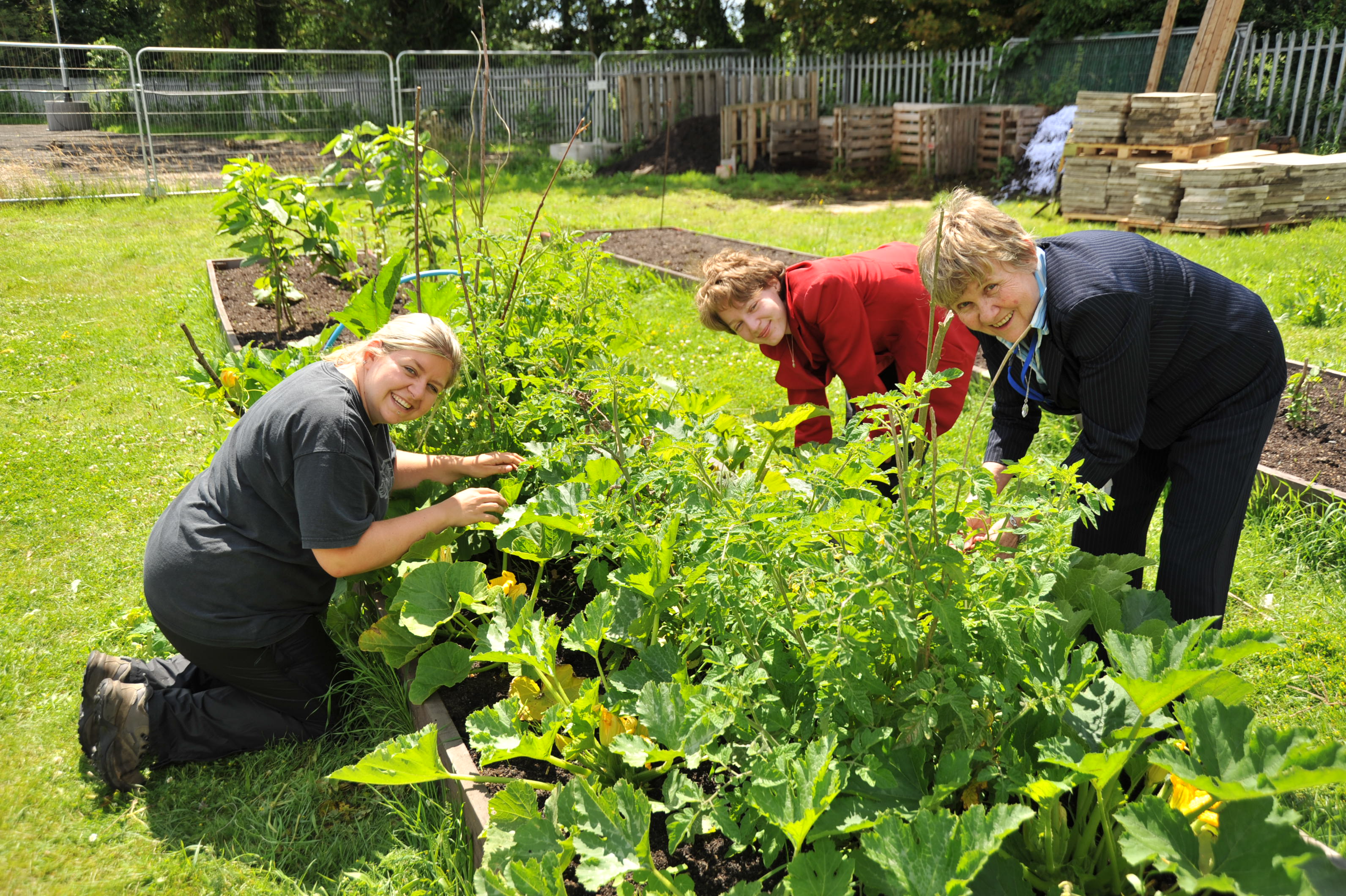
the queens of the garden: Lexie, Alexandra and Emily

There were many vegetables to harvest as everything kept growing since last week– such as the radishes, the spinach, the peas, the courgettes, cabbages and kale.

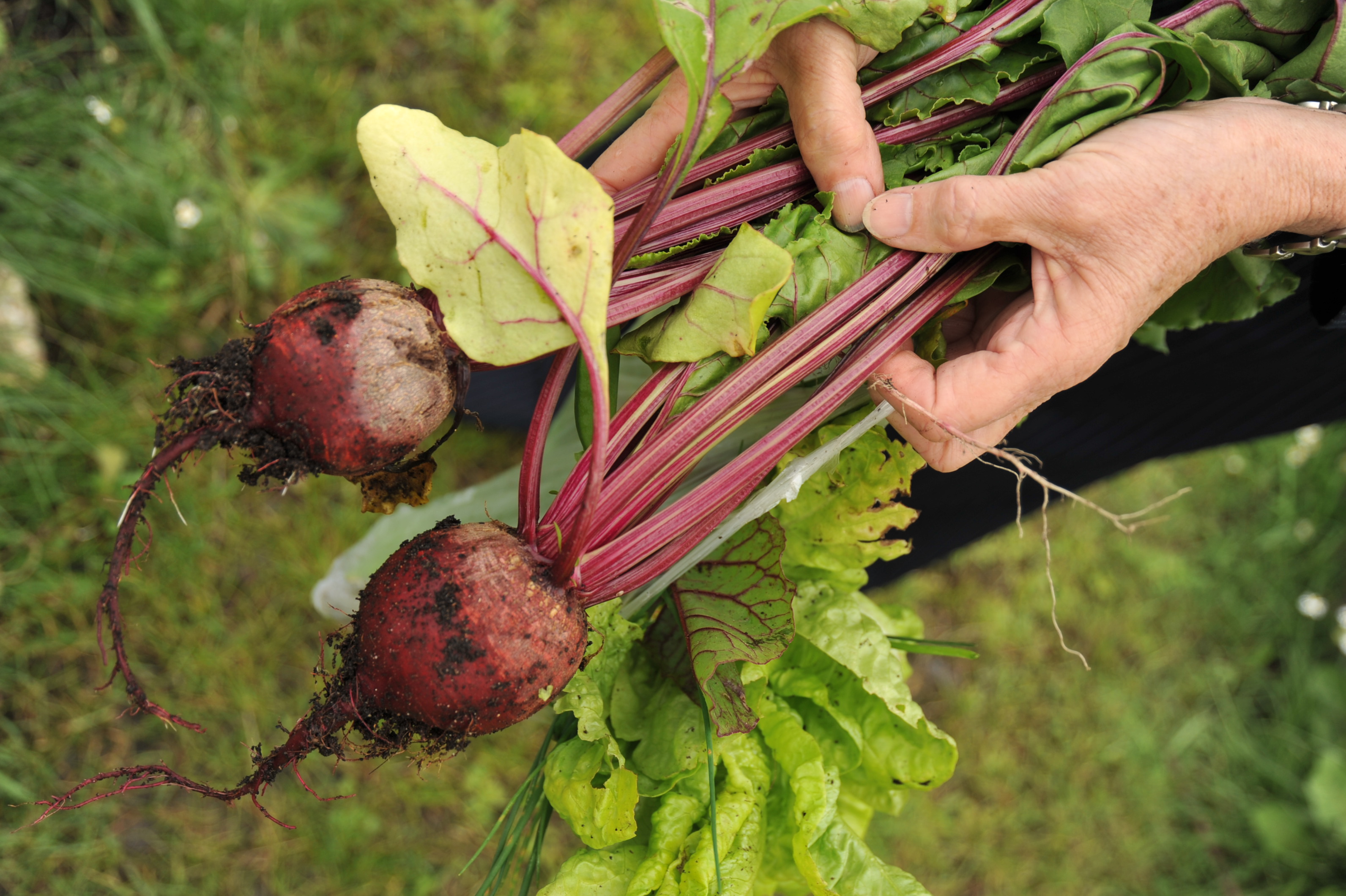
the size of the beetroots, a nice surprise

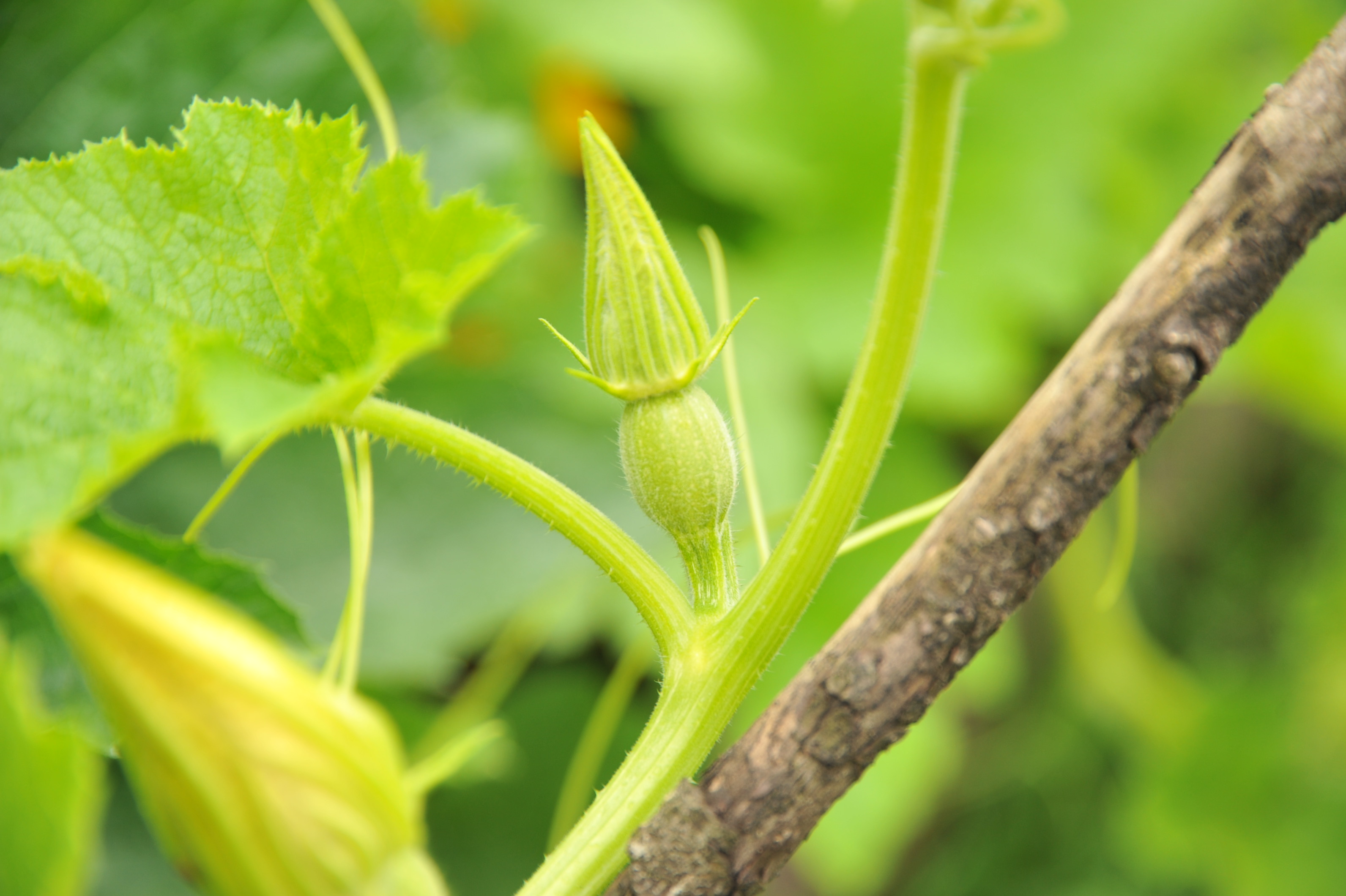
baby marrows keep growing!

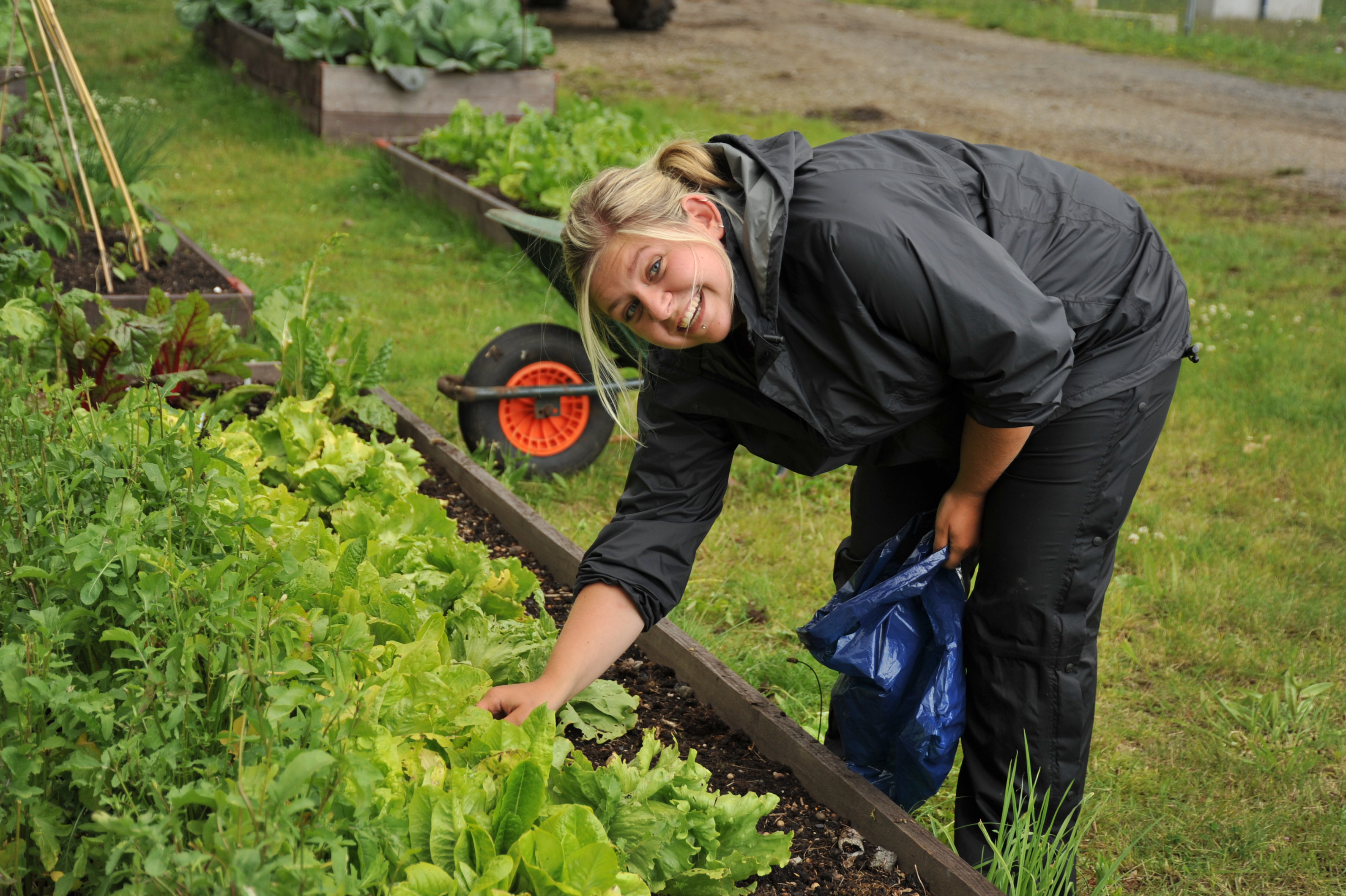
harvesting is always the favourite job

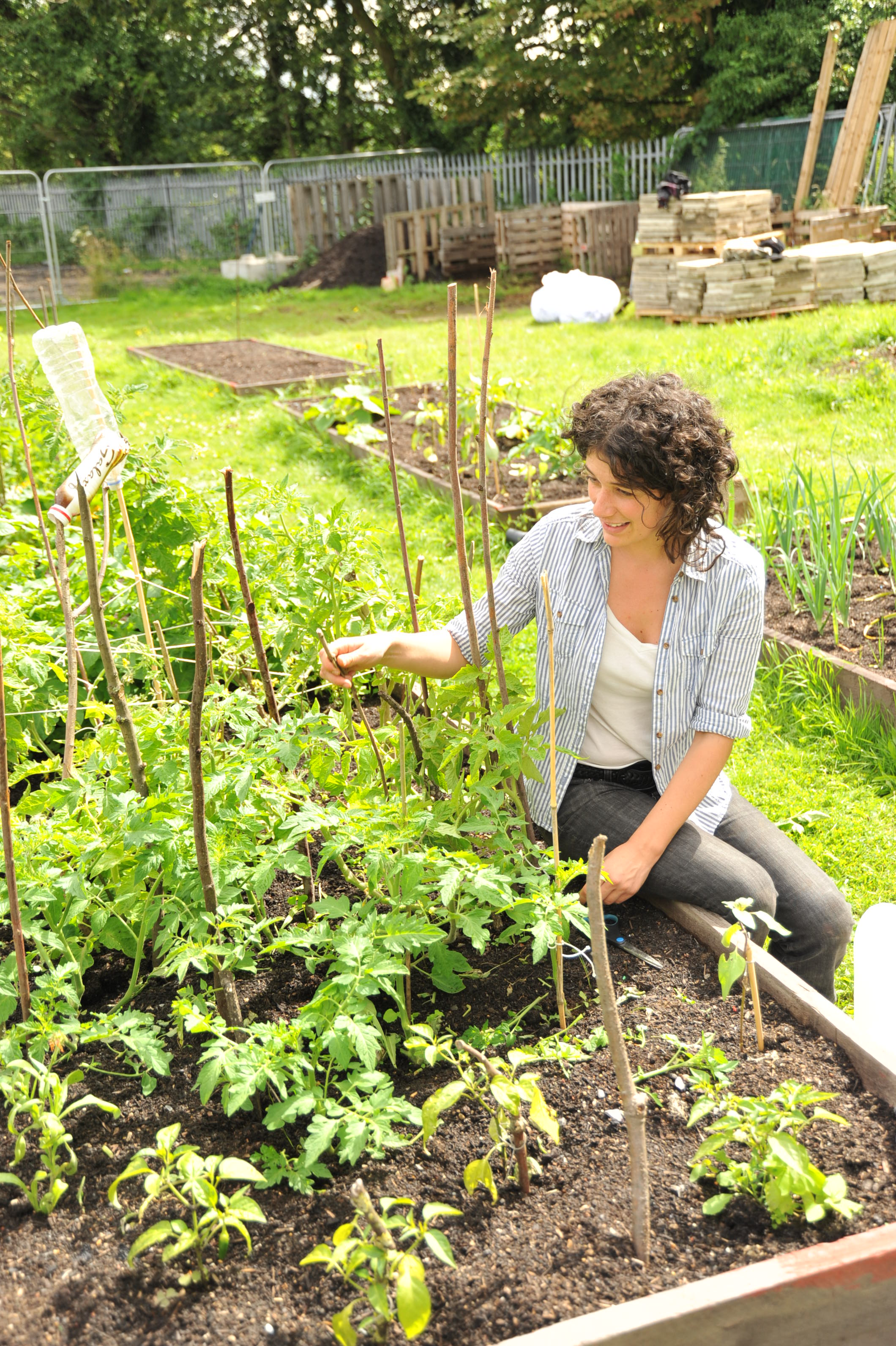
We continued to prune the tomato plants as these were so leafy and bushy it looked as if no space/light was left for our fruits to ripen: we kept on removing the leaves from the lower part of the stem and the lateral suckers until all plants looked nicely shaped and tidied up. We also improved their structure by helping them with sticks – for them to grow up high and strongly.

Stefan and Alexandra pruning tomato plants

still pruning!

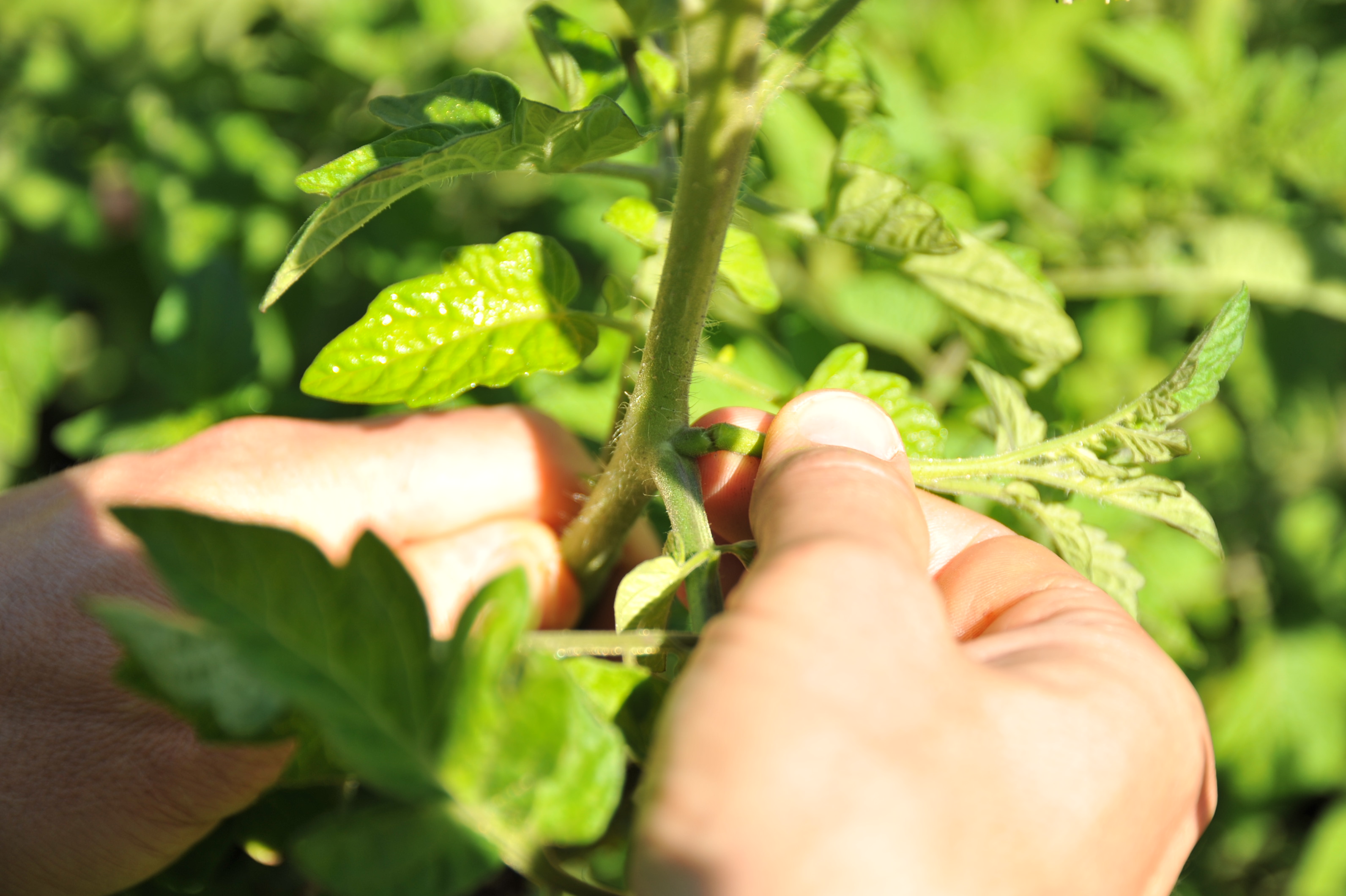
how to remove lateral suckers from tomato plants

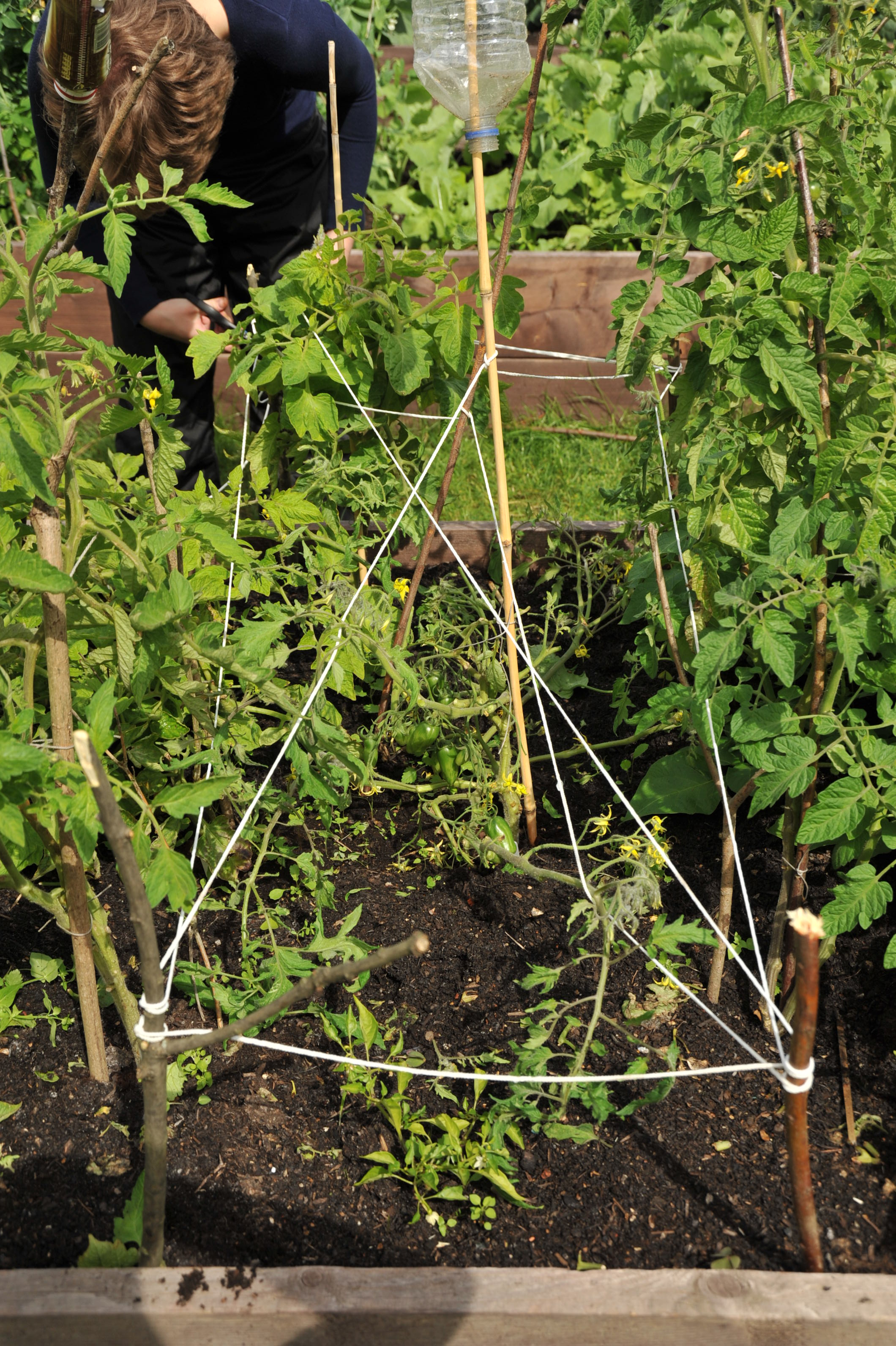
we built this structure around a bushy tomato plant in order to hold it up high from the ground while the fruits will hung from the wires

In the meantime Julian brought from the office some more paper shredding that we can use as ingredient in the compost mix – it will provide aeration and a good source of carbon as it breaks down:

bags of paper shredding

Some wildlife came to visit too:

the admiral butterfly

an unidentified character - a bee?! a wasp?! a fly?! - shielding from the rain

See you next Wednesday!

4th July Work Day

While the summer struggles to settle in and the sun is very shy, our garden in Avery Hill is looking good and flourishing with vegetables! We finally see (and taste!) the results as we keep on harvesting the abundant products from the raised beds.

our beautiful garden!

The plants must feel slightly confused with all these weather extremes, with moments of sturdy sunny heat followed by long pouring rain: the rocket for example couldn’t resist and bolted we had to remove all the flowers!

the rocket flowers as they bolted

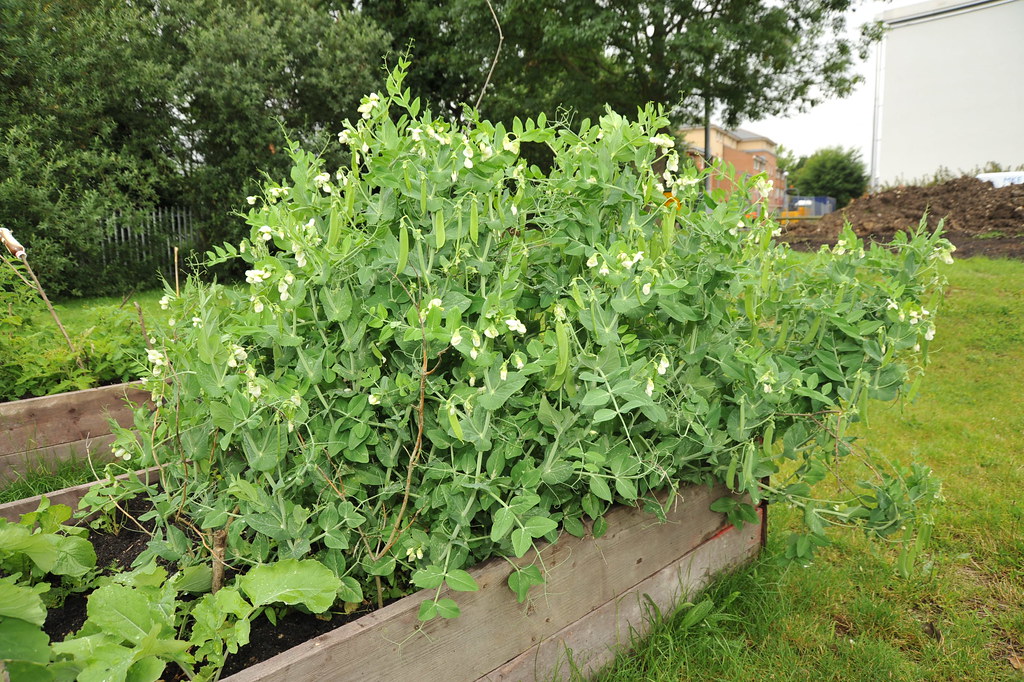
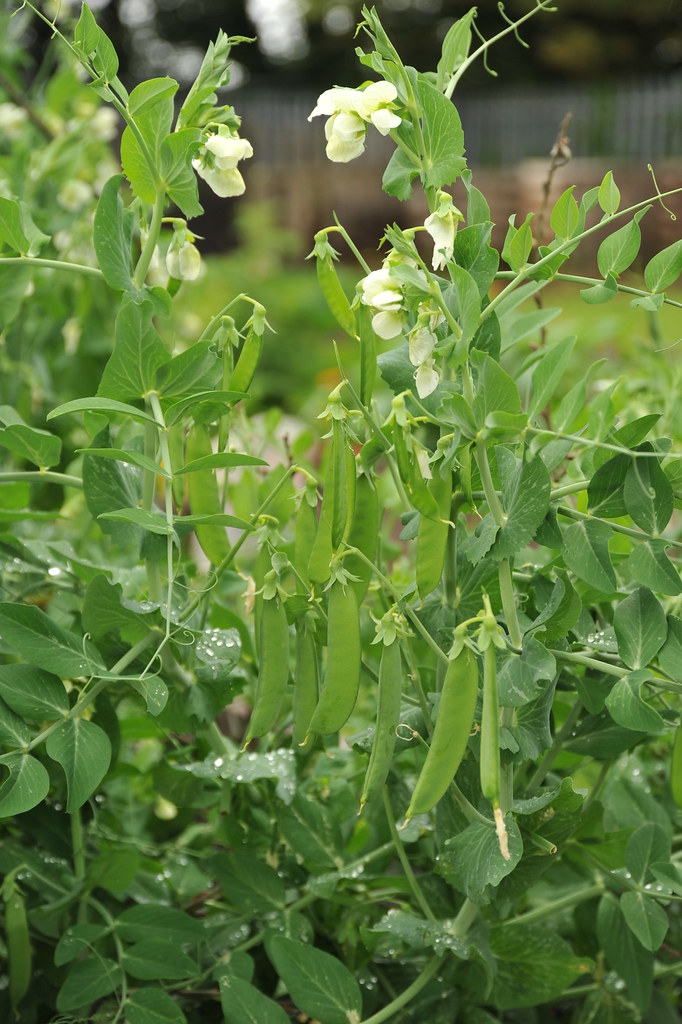
However some other plants are doing very well, such as the peas – looking gorgeous!

our pea bush!

lots of peas!

Radishes are growing full of flavour and massive in size

Jon with the radishes

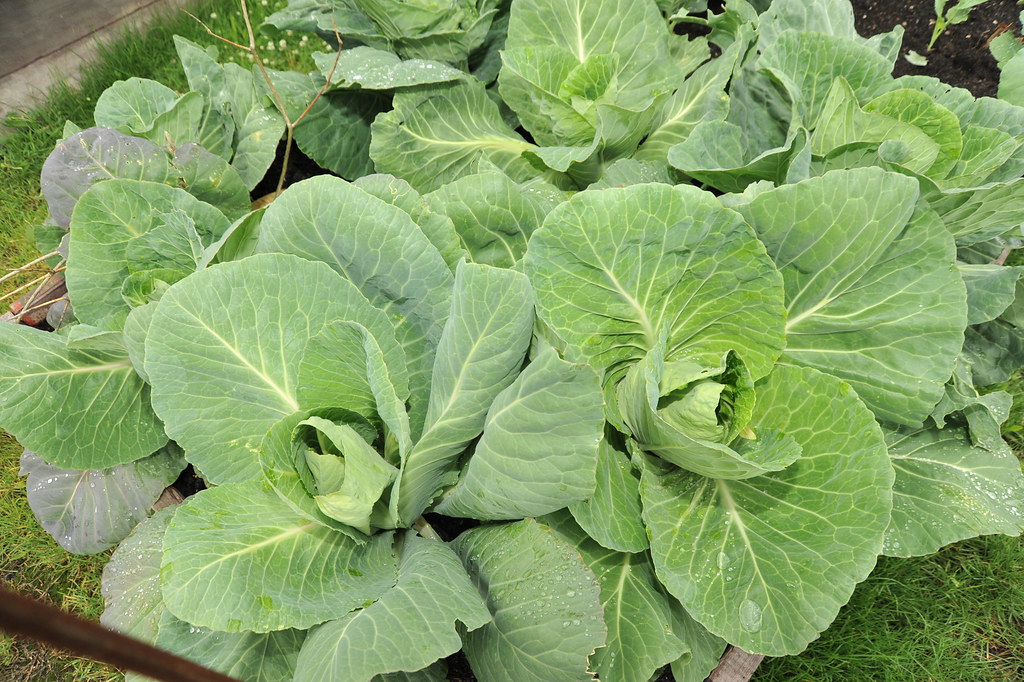
Also the lettuces, Swiss chard and spinach are thriving with abundance in their beds; the brassicaceae (the Cabbage family) bed is also looking very happy with beautiful cabbages and lovely kale (the very Italian Cavolo Nero).

wonderful cabbage

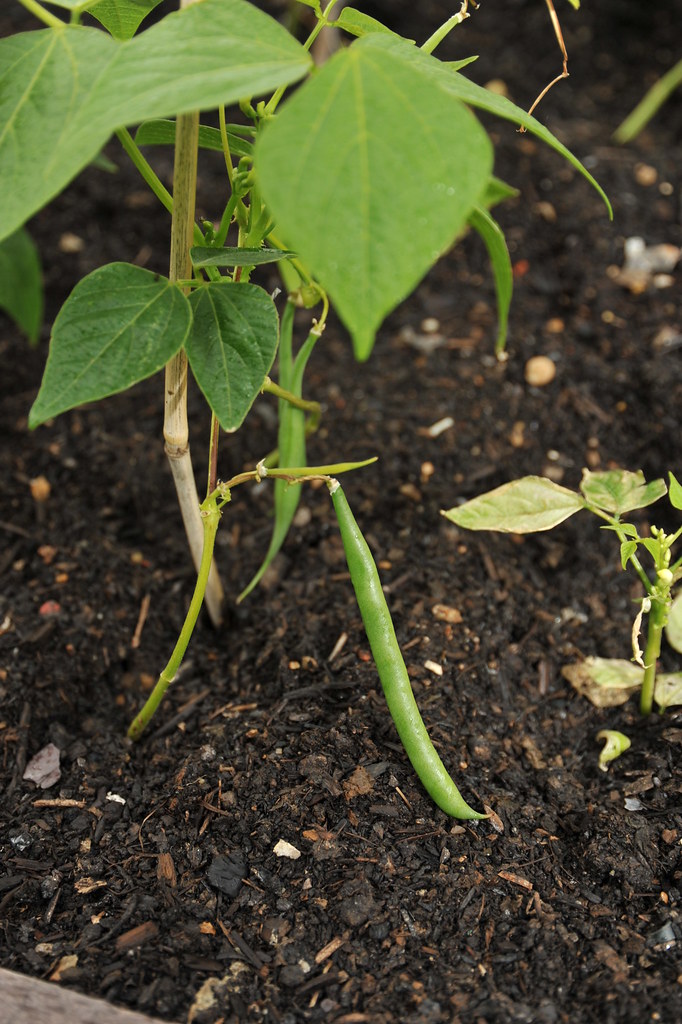
In the meantime, the first tiny tomatoes, marrows and beans made their first appearance and are joyfully getting bigger (yummy!) I’m looking forward to taking my first bite!

tiny courgette growing

our first beans!

Last Wednesday we had a very nice full day of work and achieved big results. The toughest one was moving the mountain of compost from the upper side of the garden down to the compost area. This required a good amount of passion and muscle power, happily donated by our own very strong men James, Julian and Stefan.

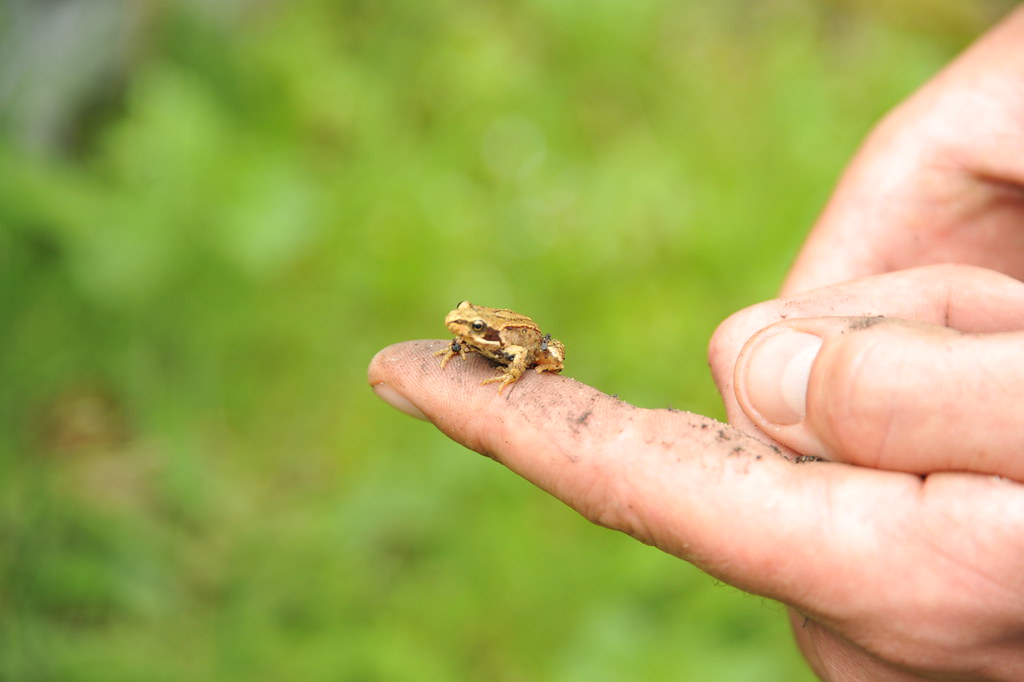
While we were all working very hard, this tiny lost frog came to visit:

unexpected visitor

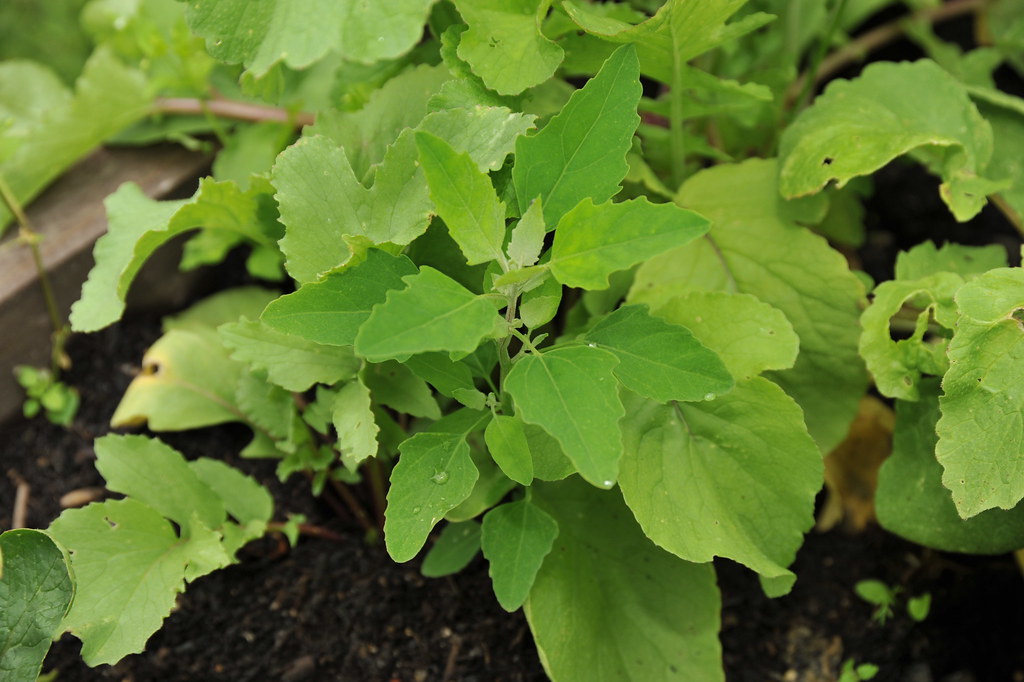
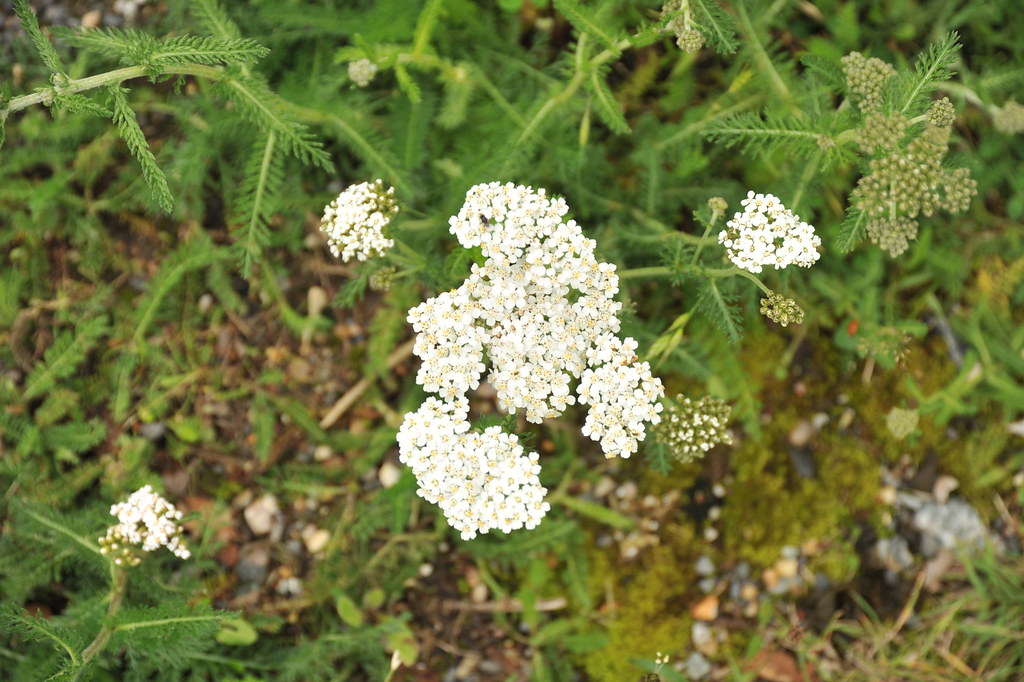
Other tasks involved clearing the beds from the weeds that had peeped out from the ground since last week – such as yarrow and fat hen. These are very common weeds that can grow spontaneously almost everywhere and – although can be annoying if you didn’t want them to be there – can be edible and useful. Fat hen for example tastes nice if eaten raw in salads or cooked in tasty risottos; yarrow flowers can be used in infusions against hay fever and are also important source of food for beneficial insects.

fat hen with radishes

scented yarrow flowers

We carried on transplanting some tomatoes seedlings in one of our solanaceae & cucurbitaceae beds (potato and cucumber families) where also courgettes and aubergine are now growing. We also planted giant sunflowers in the corners of different beds and next to their cousins the Jerusalem Artichokes. These sunflowers will soon look spectacularly tall and will make great companion plants as aphids love them and hopefully will hang about up there, leaving our lovely crops alone, for us to enjoy!

The favourite job of the day was to prune the tomato plants as the smell was so nice! Pruning tomatoes is very easy and extremely beneficial to the plant as it will increase fruit size and quality, while also reducing risks of diseases. The basic method of pruning is to remove the lower leaves at the bottom of the plant and the suckers that grow from the leaf axils, you do this by pinching them with your fingers every 7-10 days throughout the growing season.

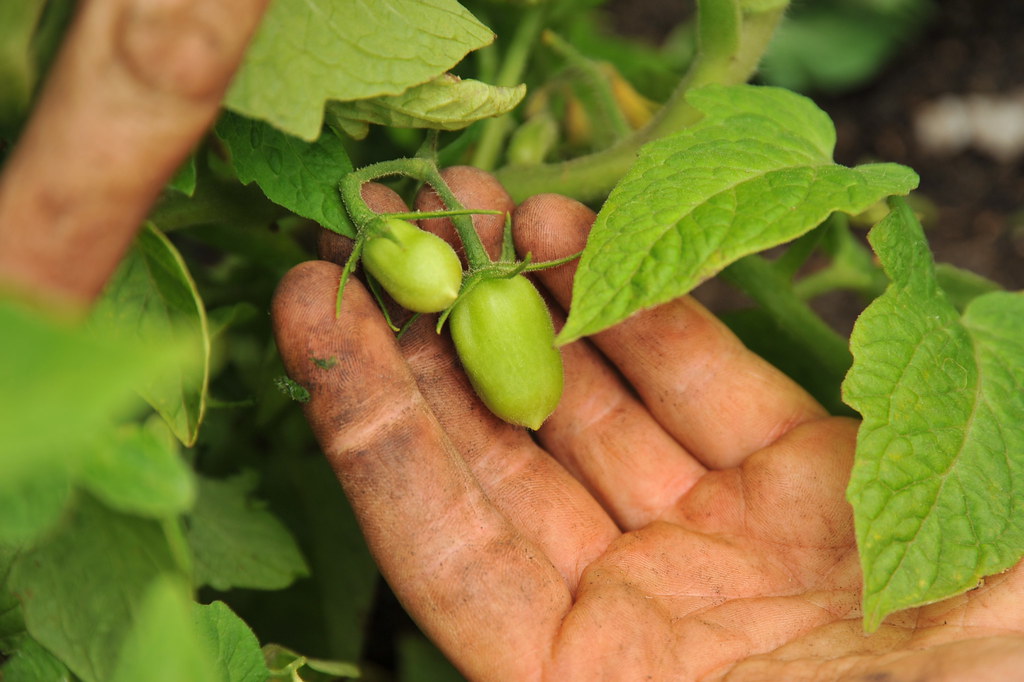
the first tiny growing tomatoes!

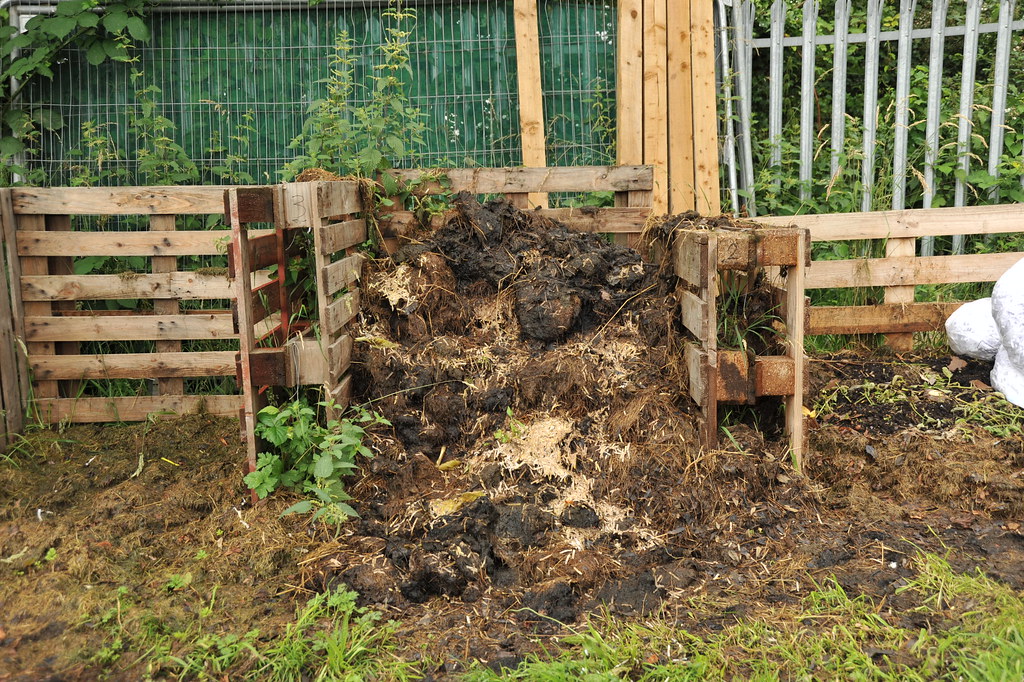
The less pleasurable task instead was moving the stinky pile of organic matter (mostly grass residues) from the first compartment to the second one, this was bravely carried out by me and Stefan in turns. The key to make good compost is to use a mixture of ingredients: young, moist materials, such as grass clippings, known as “greens”, rot quickly resulting in an unbearable smelly sludge; this is why they need to be mixed with tougher, dry items like old bedding plants – “browns” which add the necessary fibre and a supply of air to give the compost a good structure. These can also be scrap papers and packaging like paper bags or cardboard for example – to provide a good balance. The compost area is one of the most important in a healthy garden. This is where organic matter is broken down by microorganisms and other little creatures, like worms and woodlice, which will provide our soil with all the nutrients our plants need.

the compost area

There is still a lot to do and to be enjoyed at the community garden so for those who want to practice their gardening skills or simply have a breath of fresh air on those working days, come along and join us! We are here every Wednesdays!

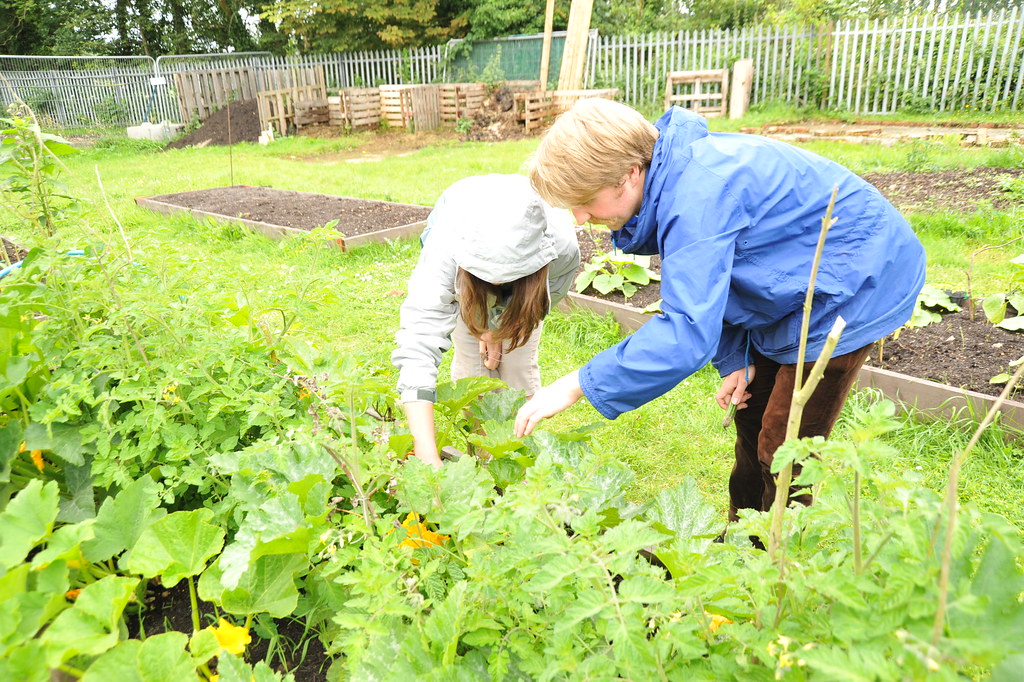
our very own special gardeners, Jon and Kat, checking on the vegetables

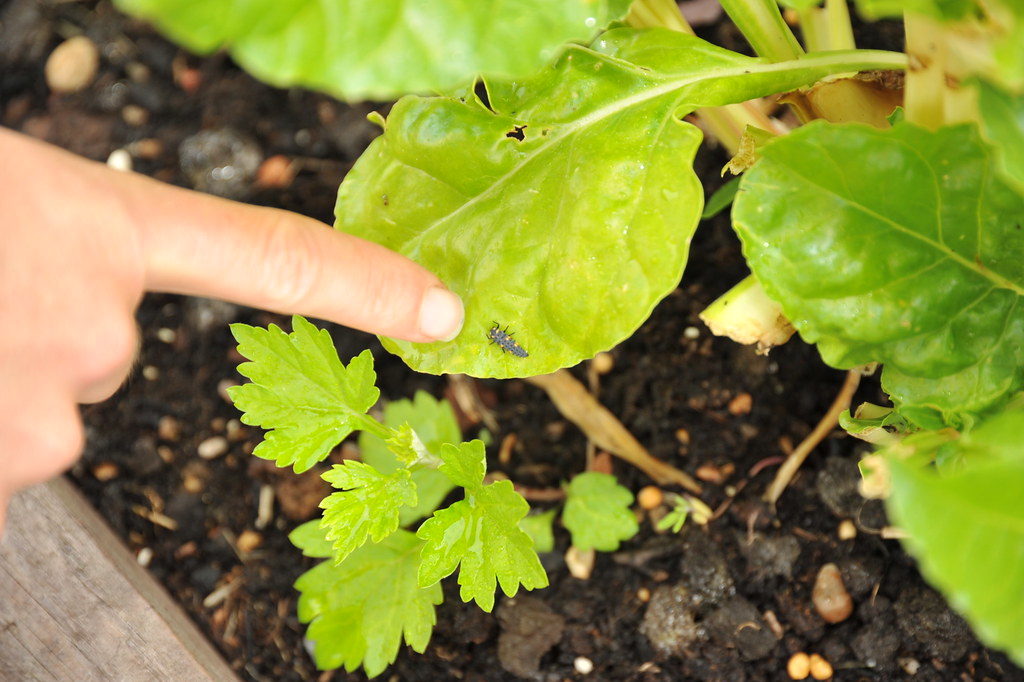
the gardener's best friend: a ladybird larvae

Community Food Garden Plans Afoot at Avery Hill

Today the Sustainability Team ventured up to the Mansion Site of Avery Hill to meet with Robert Holden and the Garden and Landscape Design staff at the School of Architecture and Construction. The topic under discussion was the plans for building a University community food garden. The project will be collaboration between the three schools at Avery Hill (Architecture, Education and Health) and staff and students who work and live on the campus to create a space where they can grow fruit, vegetables, herbs, salads and whole manner of delicious treats.

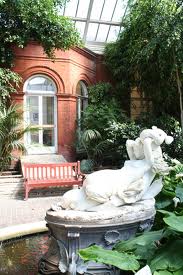
Statue in the Winter Gardens at Avery Hill Mansion Site

With assistance and advice from Capital Growth and the Greenwich Co-Operative Development Agency the plans are afoot to create a space that will not only provide food but could also double up as an outdoor learning space, social area and a sensory and medicinal garden. Using inspiration from the ideas of permaculture design we are hoping to reuse and upcycle a number of items located around the campus including tyres, pallets and an unused gazebo.

The garden will be set-up on the Southwood Site, just south of the sports hall which is also where the university is planning on planting an orchard later this year. The orchard is being designed by the London Orchard Project who are trying to create a ‘fruit tree revolution’ in London by promoting the virtues of home grown fruit and planting new community orchards all across the capital. We have earmarked the 1st December as the day to start the tree planting and will be hoping to round up a good few staff and students to get stuck in and involved with the planting.

When the orchard is planted it will not be the only source of fruit on campus as the sustainability team has discovered over the past 18 months there is already a lot of fruit hidden away in the nooks and crannies of Avery Hill. Exploring the campus you can find mulberries, blackberries, crab apples, sloes, quince, damsons, plums and as we discovered today even grapes!

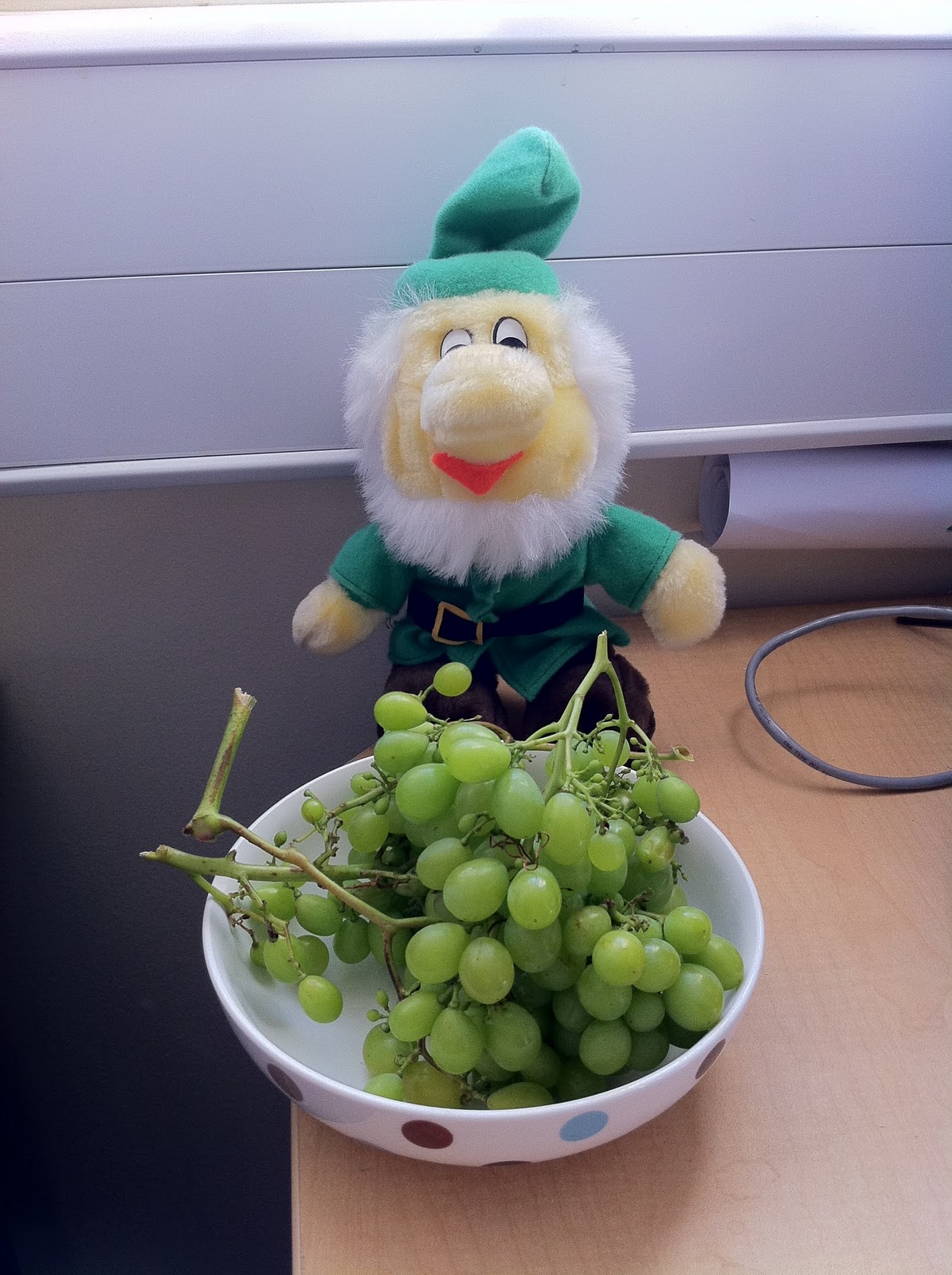
Greedy Green Gnome’s Greenwich Green Grapes

The other discovery of the day – and almost as exciting as the grapes – was the website wordle.net. This website converts a body of text into a graphically delightful jumble of multi coloured words. Just look at what it has done to the University’s Sustainability Targets.


University of Greenwich Sustainability Strategy