Carbon Saving at the NRI Glasshouse and Insectary

Today Charles Whitfield from the Natural Resources Institute tells us about how they are contributing to carbon saving at the University of Greenwich through upgrading and updating the glasshouses and insectary:
Progress on the Glasshouses

Progress on the Glasshouses

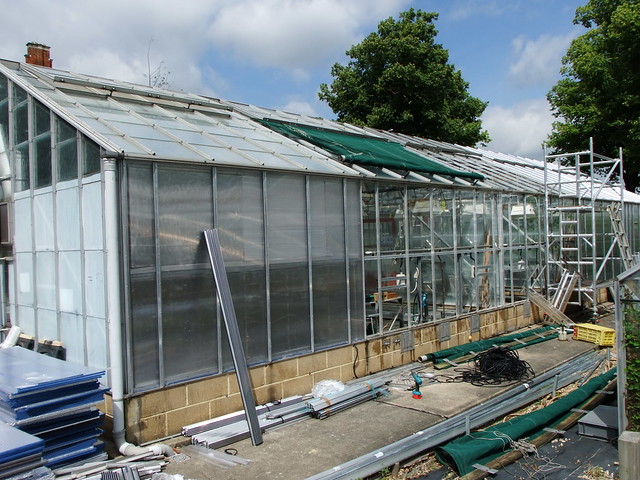
Over the last few months the NRI and Facilities Management in conjunction with the University of Greenwich Sustainability Team have made some huge improvements towards reducing energy consumption in our glasshouses and insectaries. The glasshouses were installed over 20 years ago. Although they were built to a very high specification and have lasted well, they have been due for an upgrade for quite some time. The recent refurbishment project has involved:

  • Replacing the old 3mm glass panes with tri-walled, high insulating, polycarbonate sheets (24 – 40 % reduction in heating cost). (For the heating geeks, 3mm glass has a U-value of 5.9 and the new polycarb had a value of 3).
  • Installing new doors with better insulation and seals.
  • Adding light sensors to the hi-lux sodium lamps so that can come on automatically if natural light is too low.
  • Removing the FCU heaters from the ceiling which will vastly reduce heat wastage via open ceiling vents as well as allow more natural light into the compartments.
  • Upgrading the control systems to link the heating and cooling systems so that they work together (rather than individually as before).
  • And finally, preventing the disruption of research and saving precious time and energy, we have replaced all the insect screens to reduce incidences of pest outbreaks in the compartments.
  • Improving online BMS access for the glasshouses so they can be monitored and controlled remotely by NRI technicians

At the same time we have also installed new hoses and water guns to reduce water wastage, and work will soon start on repairing and repainting the floors. In addition, the cleaners spent several sweltering days scrubbing 20 years of limescale from the internal glass partitions.
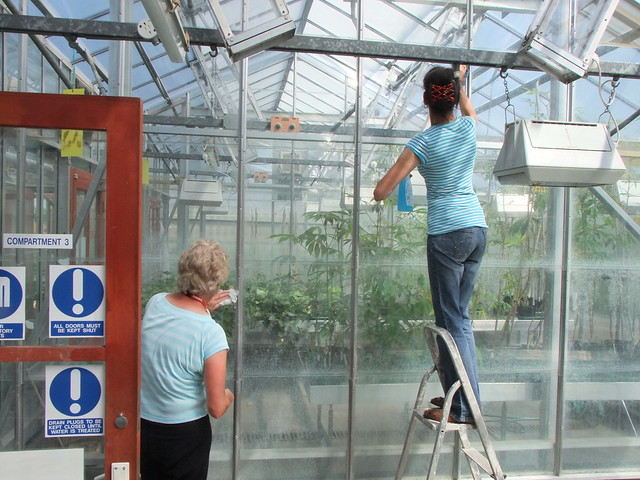
Cleaners working hard at making the glass see through!

Cleaners working hard at making the glass see through

Energy consumption in the insectaries has been reduced by a number of upgrades to the control systems and ceiling lights. We now have the ability to ‘shut down’ rooms that are not in use. Energy efficient fluorescent lighting has been installed in rooms that originally only had high energy lighting. This allows us to switch over to the energy efficient lighting if the room is not currently being used to grow plants. Not only does this reduce energy consumption by the lights but also reduces the amount of cooling required in the roof space (the high energy lights produce a huge amount of heat). Manual light switches have been added to all the CT rooms in the insectary as well as the EAG room, and post room (so the lights no longer need to be left on all the time).
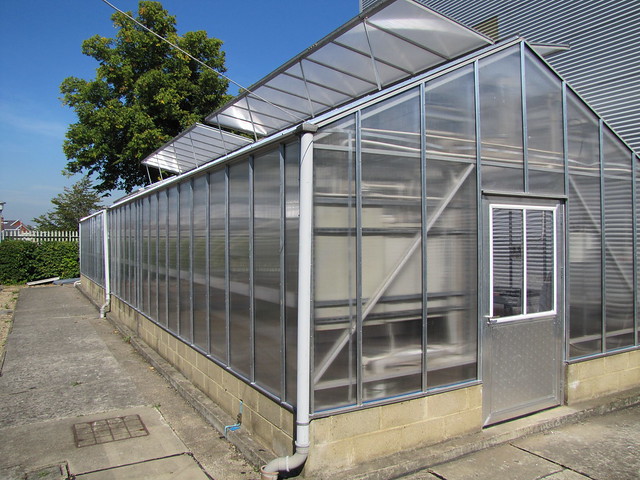
The finished glasshouses

The finished glasshouses

Overall, these improvements should provide a substantial reduction in energy consumption by the NRI facilities and give users more control of their workspace.
Students Auditing the University of Greenwich for ISO14001 Accreditation

Over the past few weeks the University has been doing a lot of internal auditing as it prepares for four days of ISO14001 auditing of its sustainability management system. As a response to the increasing need for graduates to demonstrate true work experience – the Sustainability Team saw this as a perfect opportunity to get students involved and provide some professional auditing experience.

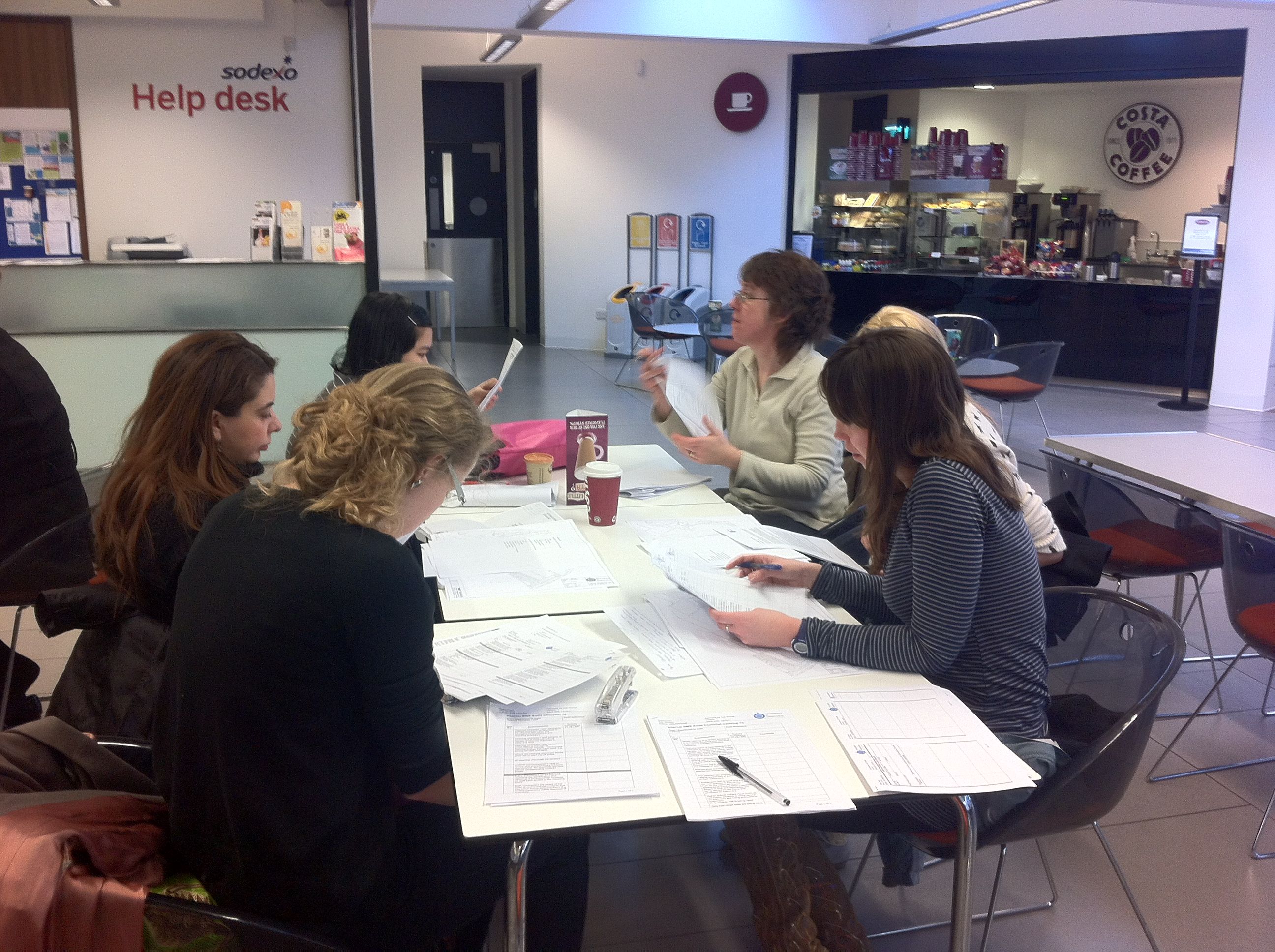
Students get to grips with the requirements for ISO14001

Students from the Sustainable Futures MSc course and the Environmental Conservation MSc received internal auditor training from the Sustainability Team then accompanied them on audits of the Avery Hill and Medway Campuses. ISO14001 is the world’s most widely recognised environmental management system accreditation (used in 159 different countries) and demonstrates organisations that are working to ensure legal compliance and moving towards best practice for environmental management. Many of the students will end up using systems based on the ISO14001 requirements if they move into environmental management roles once they graduate, hence auditing the system provides them a fantastic opportunity for experiencing it firsthand.

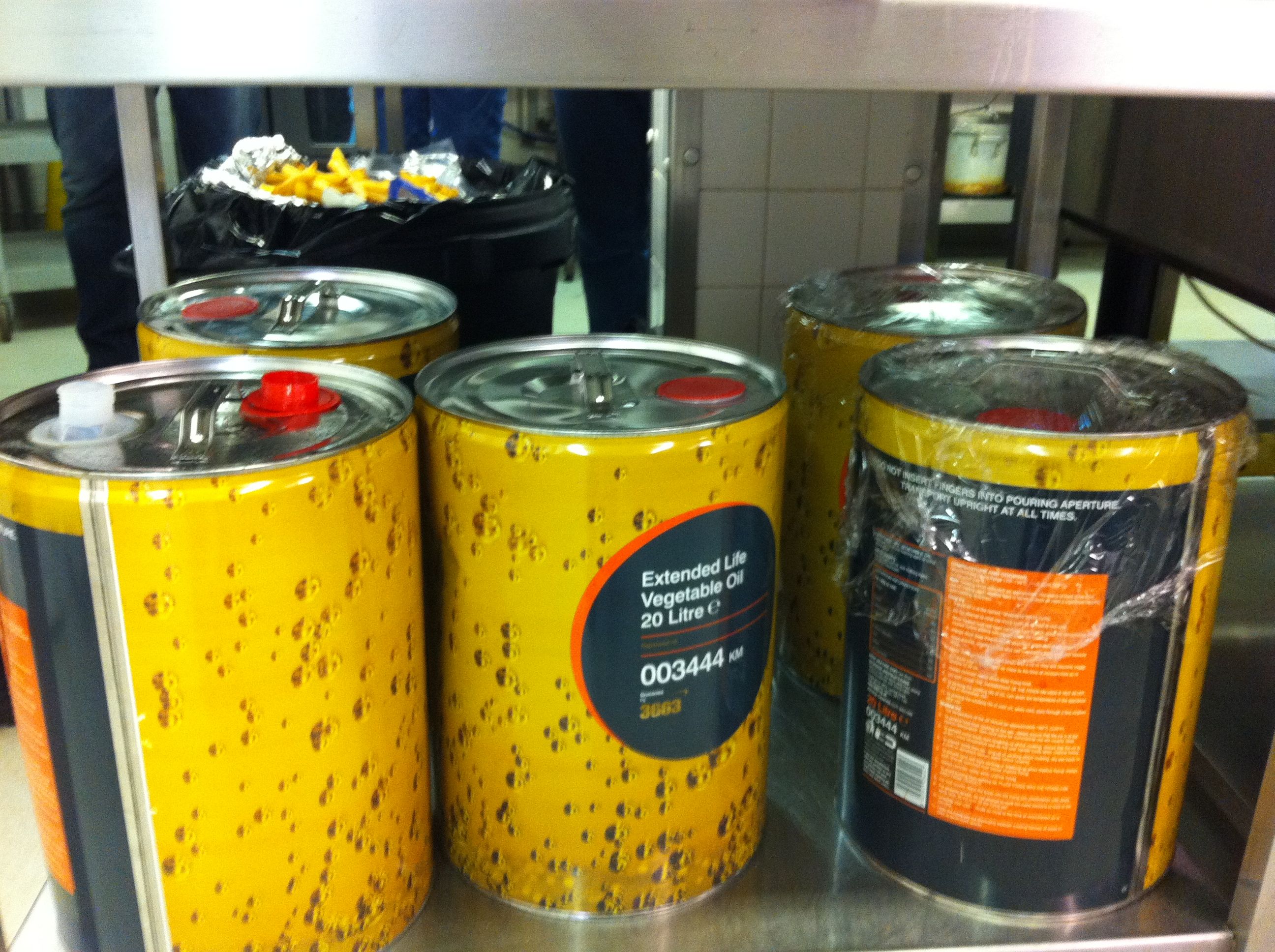
The students ended up being involved in walk-round audits of both campuses, audits of kitchens on campus, the grounds storage areas, waste storage areas and also audited some of the documentation including the Sustainability Policy, Environmental Aspects & Impacts Register and the Sustainability Objectives & Targets.

A typical item the students were checking for on the walk-round and waste storage audits would be an item of waste that is classed as hazardous (e.g. batteries, electrical equipment , oils, chemicals)  stored incorrectly or in the wrong area. If they found anything like this they would decide whether it is a major or minor non-conformance or just an observation. Once the non-conformance or observation has been reported and written up by the students the Sustainability Team would take the necessary corrective action. For example if the auditors found an item of electrical equipment stored with general waste that is not designed for electrical waste they would then feed this information back to the campus management team and ensure the responsible persons were informed of the correct action and legal requirements.

The students were not just looking for things that are wrong though; there is room in the auditing process to note items that are examples of best practice or being done particularly well. The students auditing the kitchens found huge enthusiasm and good knowledge from the chefs and catering staff for the sustainable and Fairtrade food that they were serving.

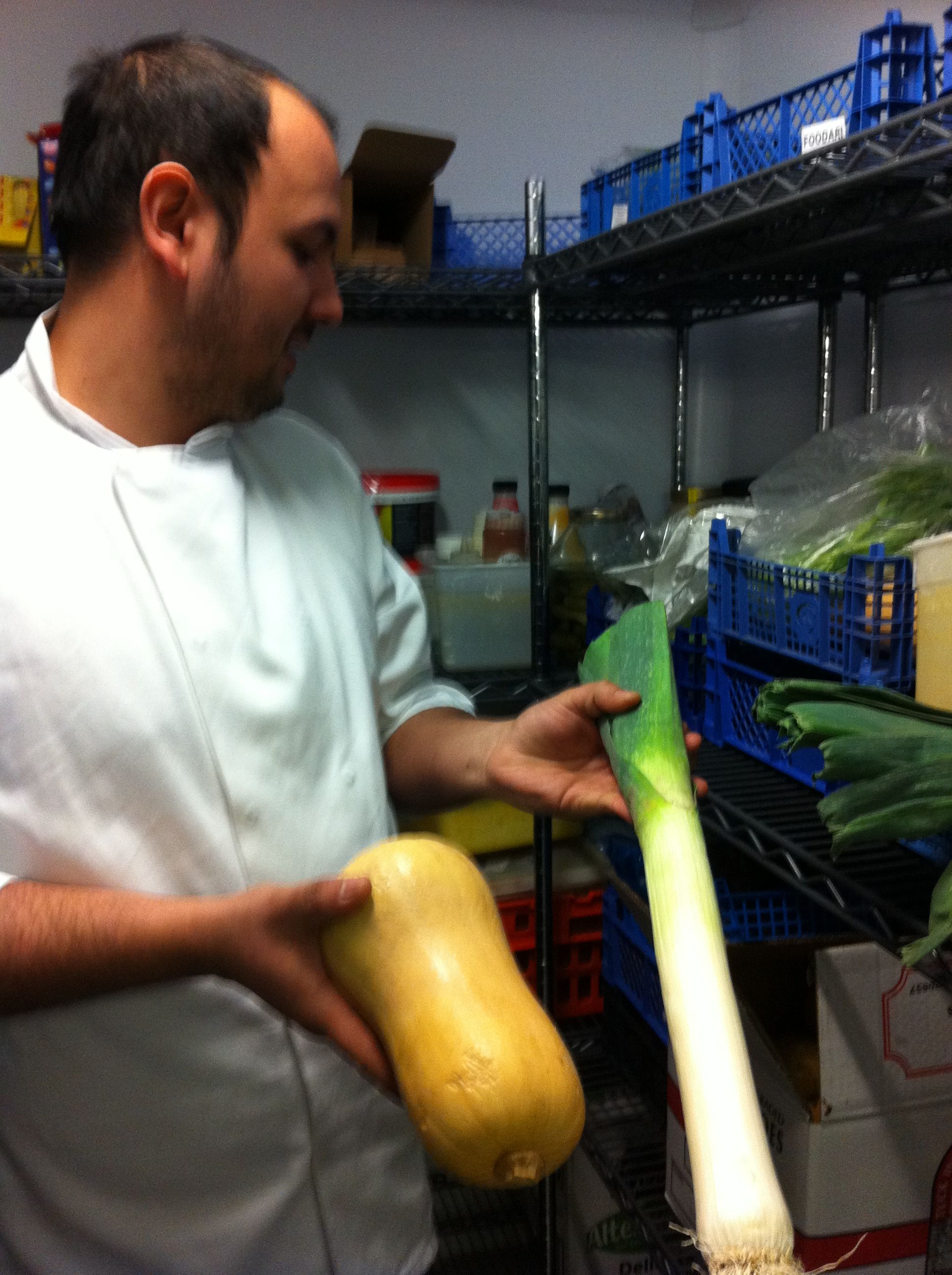
A chef at Medway shows off the seasonal produce in the fridge

The experience of doing the audits and reporting on them will be an invaluable experience for the students involved and is intended to fill any potential employers with confidence in the student’s ability to transfer from sustainability scholars to sustainability professionals. Aside from this, the experience has been hugely positive for the University as well as it moves towards gaining ISO14001 accreditation. The internal auditing process is key in ironing out any problems with the management of the campuses from a sustainability or environmental point of view, and the items that our students picked out over the course of the audits are being actioned now in time for our external ISO14001 auditors arriving.