Women’s Sport Pioneers: Cyclist Beryl Burton

Beryl Burton

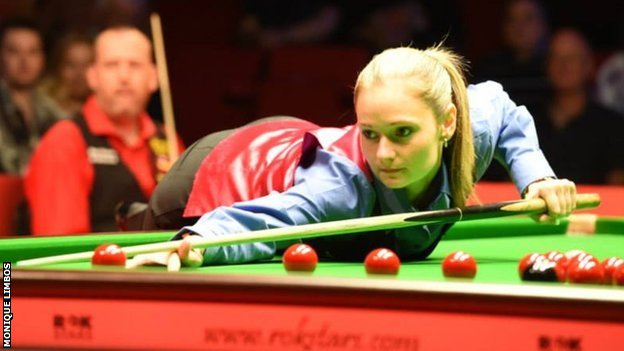
The hour record is considered one of cycling’s greatest challenges as riders push themselves physically and mentally to the limit.

On Saturday, Dame Sarah Storey’s lung-busting efforts at the Lee Valley Velodrome were not enough to better Leontien Zijlaard-van Moorsel’s women’s mark of 46.065km set in 2003.

And there is another record, set almost 50 years ago which is still standing today – the women’s 12-hour record – and it was made by Yorkshire housewife Beryl Burton.  More

Staying Power: Photographing the Black British Experience

Black Experience Exhibition

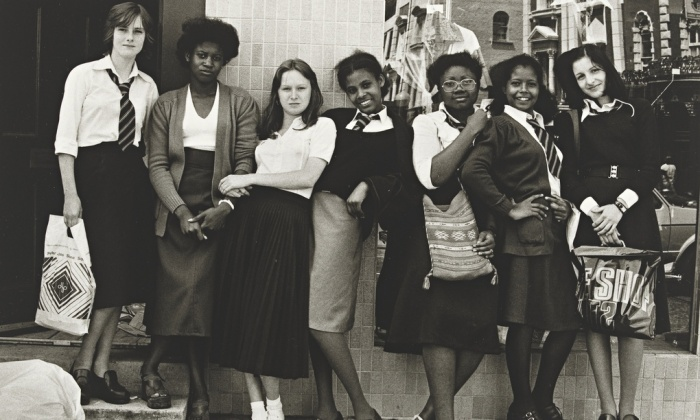
A new exhibition featuring work by black photographers and drawn from the Victoria and Albert’s collection has opened at two venues – both at the V&A itself and at the Black Cultural Archive in Brixton. The pictures document the experience of black people in Britain from the end of World War Two through to the 1990s. Jamaican-born photographer Neil Kenlock contributed to the show, entitled Staying Power: Photographs of Black British Experience 1950s – 1990s, and spoke to the BBC about the images of hope, conflict, struggle – and the anticipation of a better life in the UK.  More

Clare Balding Backs Sports Careers for Girls

Clare and Girls

How did Clare Balding become the unofficial sporty head girl to the nation? How did she become such a part of the sporting DNA that she can step from Cheltenham to Crufts to the Olympics?

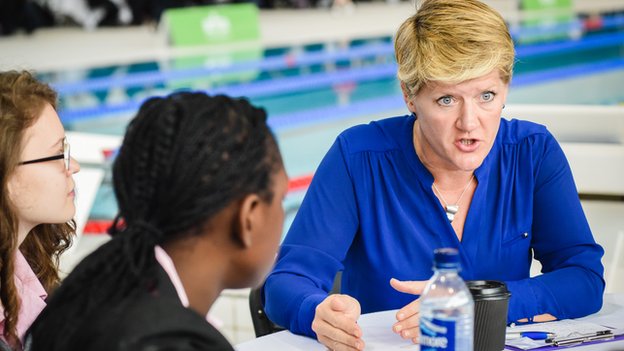
At the London Aquatics Centre, in the Olympic Park, the sports broadcaster talked about her career to hundreds of schoolgirls, in an event designed to encourage young women to think about jobs in sport.

It wasn’t necessarily about playing sport, she told them, but there were many sport-related jobs, everything from events organisers to surgeons to sports lawyers.

When she was at school people laughed at her when she said she wanted a career in sport.  More

Why do so few women work in music?

Women and Music

From Dusty Springfield to Kate Bush to Adele, women have played a prominent role in UK music for decades. But figures show they in fact make up less than a sixth of the professional talent.

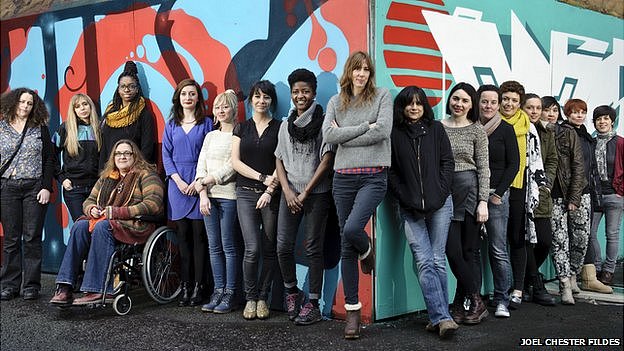
Acclaimed singer-songwriter Beth Orton has spent the week addressing this issue in Manchester, working with 13 aspiring musicians at the city’s Band on the Wall venue on a programme designed to combat the challenges that women face in the industry.

Orton says the scale of the problem is shown by the fact few women came forward at previous events, something she calls “a shame” and which she puts down to “an issue with how [women] view ourselves”.

“That is a direct effect of our upbringing and culture, an ingrained sense of being on the back foot [or] lacking in something,” she says.

The event was inspired by a Performing Rights Society statistic that showed only 14% of its members were female and organiser Brighter Sound’s own experience of one in four applicants to their music residencies being women.  More

Jo Brand to Speak at Mental Health Conference

mental-health-conference

Comedian and former psychiatric nurse Jo Brand is among the guest speakers at a mental health conference being hosted by the University of Greenwich.

#FutureMHN takes place at the Indigo O2, London on Tuesday 24 February and aims to celebrate the success of mental health nursing innovation and research, to inspire future leaders, and to support effective networking. Other speakers include Jane Cummings, Chief Nursing Officer of England. More

Bread Therapy

bread

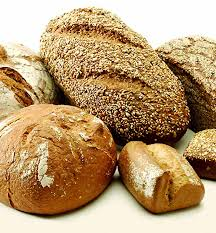
With tasty treats like artisan breads, pizzas and toasted focaccias, one creative north London bakery doubles as a project for people recovering from mental ill health.

The trainee bakers learn how to make all kinds of breads and they are encouraged to talk while they work. It isn’t counselling, but it is therapy of a different kind.  More

Fair is fair: How show-women were given a chance to thrive

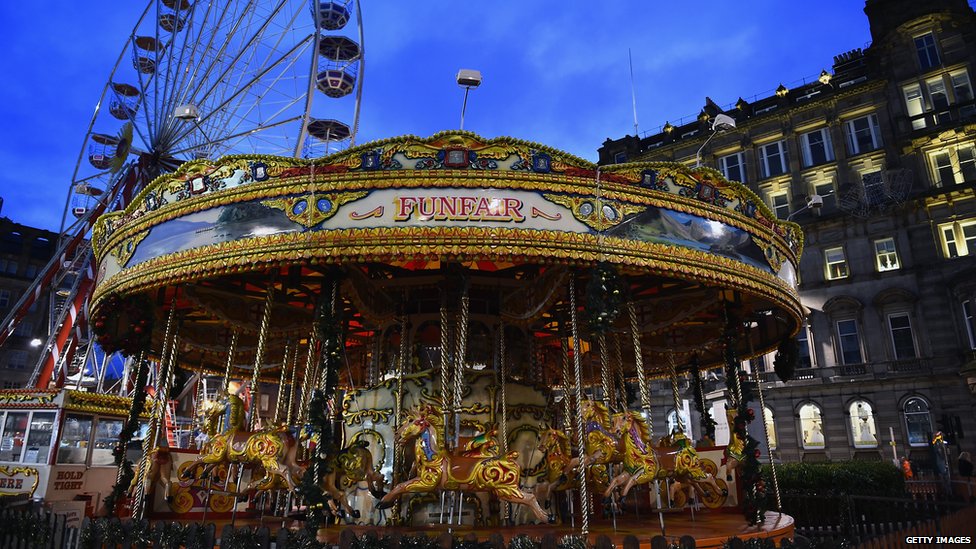
Funfair

When you think of female fairground performers, you might picture the fortune teller, the knife-thrower’s target or, perhaps, the bearded lady. But beyond the stereotypes, in its heyday the Victorian fair was one of the few places where women could forge independent careers.

In the 19th Century, women primarily belonged to the domestic sphere – either as wives and mothers, or servants, nurses and teachers.

So how is it that in a society where the average woman had limited prospects, show-women were able to subvert the norm?  More