Greenwashing (misleading the public about the environmental responsibility of a corporation) is bad. Because it is bad, news of Greenwashing negatively impacts stock market values. This latest finding by NUSC expert Dr Mao Xu and …
Continue reading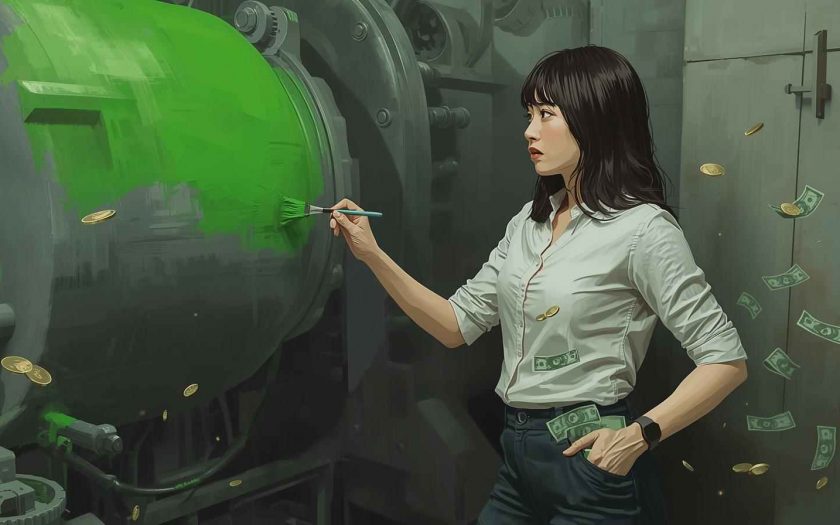
Greenwashing (misleading the public about the environmental responsibility of a corporation) is bad. Because it is bad, news of Greenwashing negatively impacts stock market values. This latest finding by NUSC expert Dr Mao Xu and …
Continue reading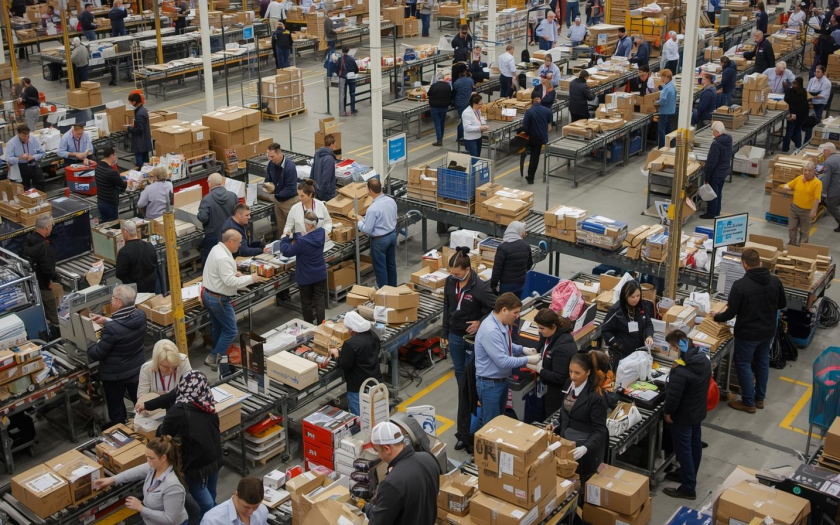
Reverse logistics – the process of moving goods from consumers back to manufacturers for reuse, recycling, or disposal – is a critical component of the circular economy. Traditionally, this process has been plagued by inefficiencies, high costs, and lack of transparency. Blockchain is simply a distributed digital ledger technology – that is, a record of transactions. They are designed in such a way that it is secure, transparent, and tamper-proof. Blockchains can contain smart contracts- these are automatically executed processes that do not require an intermediary. For example, when a return is scanned in, a smart contract might automatically refund a consumer – if the associated barcode is the same as what was initially sent – without the need for a person to do this. Blockchains are immutable because data recorded on a blockchain cannot be altered or deleted without obvious detection.
By creating secure, tamper-proof records, blockchain enables logistics firms to track products throughout their lifecycle, ensuring accountability and reducing fraud.
Continue reading
At the heart of NUSC’s interdisciplinary mission is a commitment to tackling urban challenges through diverse perspectives. Dr Jingxi Huang, a researcher in consumer behaviour and sustainability, embodies this spirit with her unique blend of marketing insight and psychological depth. Jingxi’s passion for sustainability goes beyond academic theory. “It’s a long-term challenge that affects both our generation and the next,” she explains.
Continue reading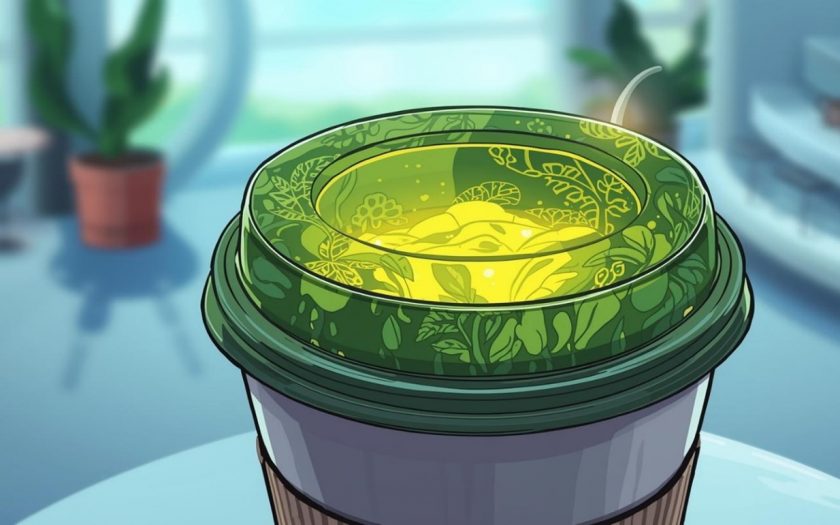
Imagine a startup that creates edible packaging made from seaweed. You buy a takeaway coffee, and instead of a plastic lid, it’s sealed with a biodegradable, tasteless seaweed film (Product innovation). You can toss it in the compost—or eat it.
Now scale that up: this packaging replaces millions of plastic wrappers in supermarkets. It dissolves in water, leaves no microplastics, and is made from a fast-growing, carbon-sequestering marine plant (Process innovation). The company partners with coastal communities to harvest seaweed sustainably, creating jobs and restoring marine ecosystems (Social impact).
This is eco-innovation in action.
It’s not just clever—it’s transformative.
Continue reading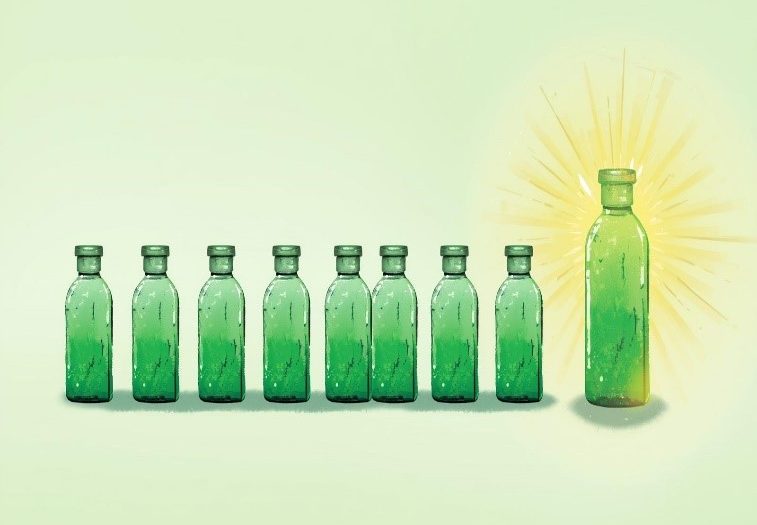
When a shampoo retailer requires you to return 10 empty shampoo bottles to receive a new bottle of shampoo, does that represent a limitation on your consumption freedom?
Ever wondered why some customers choose plastic over planet—even when eco-friendly rewards are on the table? It turns out, the answer lies in how we react to restrictions.
Continue reading