Greenwashing (misleading the public about the environmental responsibility of a corporation) is bad. Because it is bad, news of Greenwashing negatively impacts stock market values. This latest finding by NUSC expert Dr Mao Xu and …
Continue reading
Greenwashing (misleading the public about the environmental responsibility of a corporation) is bad. Because it is bad, news of Greenwashing negatively impacts stock market values. This latest finding by NUSC expert Dr Mao Xu and …
Continue reading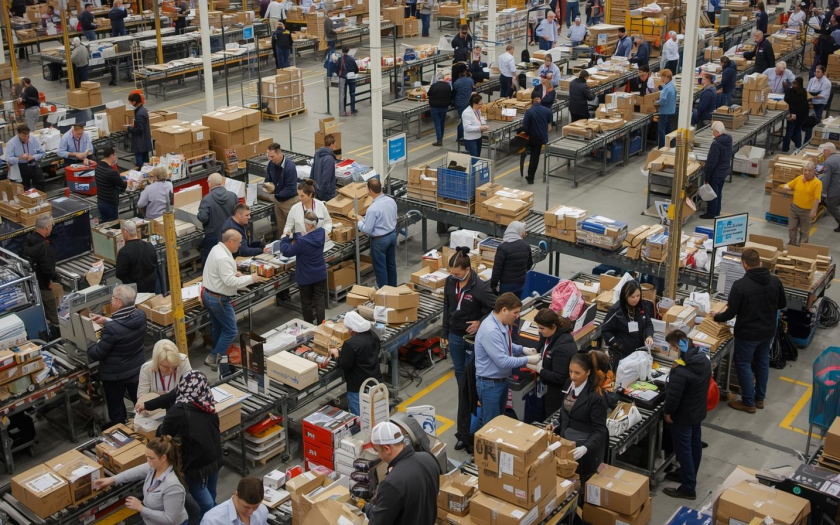
Reverse logistics – the process of moving goods from consumers back to manufacturers for reuse, recycling, or disposal – is a critical component of the circular economy. Traditionally, this process has been plagued by inefficiencies, high costs, and lack of transparency. Blockchain is simply a distributed digital ledger technology – that is, a record of transactions. They are designed in such a way that it is secure, transparent, and tamper-proof. Blockchains can contain smart contracts- these are automatically executed processes that do not require an intermediary. For example, when a return is scanned in, a smart contract might automatically refund a consumer – if the associated barcode is the same as what was initially sent – without the need for a person to do this. Blockchains are immutable because data recorded on a blockchain cannot be altered or deleted without obvious detection.
By creating secure, tamper-proof records, blockchain enables logistics firms to track products throughout their lifecycle, ensuring accountability and reducing fraud.
Continue reading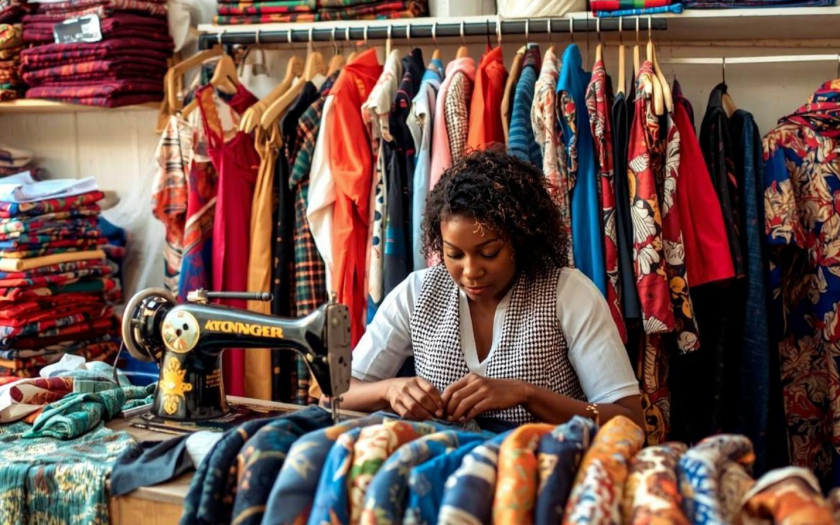
You are running a small, family-owned business in a bustling African city. This business was built from scratch by you through hard work and by reinvesting all your profits. Today, your business needs funding to break into new markets, and you recently heard that new government reforms have made it easier to access loans. Banks are more open, paperwork is simpler, and funding is finally within reach. But you don’t apply. Why?
This is the paradox at the heart of SME finance in Africa: access is improving, but uptake remains stubbornly low. A new study led by NUSC colleague Dr. Andrew Hansen-Addy, with Prof. Mario Davide Parrilli and Dr. Ishmael Tingbani, dives deep into this puzzle—revealing why increased access to finance doesn’t always lead to more borrowing, and what that means for SME policy, resilience, and growth.
Continue reading
What happens when creativity meets one of the biggest demographic shifts of our time? Dr Jingxi Huang’s latest research dives into the world of creative entrepreneurship in the ageing sector, exploring how arts-based programmes are transforming the lives of older adults.
Continue reading
Imagine a startup that creates edible packaging made from seaweed. You buy a takeaway coffee, and instead of a plastic lid, it’s sealed with a biodegradable, tasteless seaweed film (Product innovation). You can toss it in the compost—or eat it.
Now scale that up: this packaging replaces millions of plastic wrappers in supermarkets. It dissolves in water, leaves no microplastics, and is made from a fast-growing, carbon-sequestering marine plant (Process innovation). The company partners with coastal communities to harvest seaweed sustainably, creating jobs and restoring marine ecosystems (Social impact).
This is eco-innovation in action.
It’s not just clever—it’s transformative.
Continue reading