The Hidden Cost of Returns: Can Blockchain Protect Your Business?

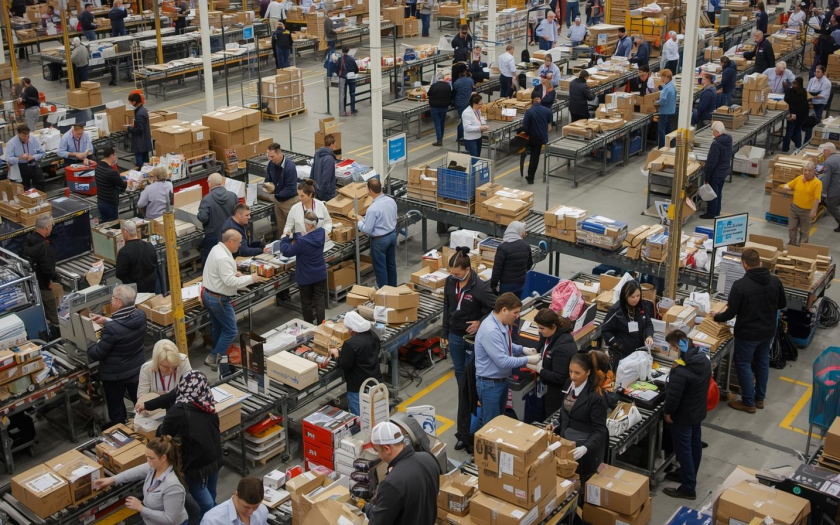
Reverse logistics – the process of moving goods from consumers back to manufacturers for reuse, recycling, or disposal – is a critical component of the circular economy. Traditionally, this process has been plagued by inefficiencies, high costs, and lack of transparency. Blockchain is simply a distributed digital ledger technology – that is, a record of transactions. They are designed in such a way that it is secure, transparent, and tamper-proof. Blockchains can contain smart contracts- these are automatically executed processes that do not require an intermediary. For example, when a return is scanned in, a smart contract might automatically refund a consumer – if the associated barcode is the same as what was initially sent – without the need for a person to do this. Blockchains are immutable because data recorded on a blockchain cannot be altered or deleted without obvious detection.

By creating secure, tamper-proof records, blockchain enables logistics firms to track products throughout their lifecycle, ensuring accountability and reducing fraud.

Continue reading

Learning Under Fire: How NATO Militaries—and Others—Can Adapt Faster 

The map room hums with servers and low voices. Coffee rings stain the edges of a thick after action report, its spine cracked from travel. “We captured the lesson,” the lieutenant says, “but it never became practice.” Heads nod around the table. 

The lesson is there—buried in a PDF, referenced in a PowerPoint, archived in a SharePoint folder named after last year’s exercise. The official process is immaculate, but the next patrol leaves with what fits the tempo of the day: a briefing, a map, a hope not to repeat the mistake. 

Why do high-stakes organisations struggle to learn from their mistakes?

Continue reading

Sneak Peek: Understanding the Psychology Behind Product Returns

You’ve just received a parcel. It’s the jacket you ordered last week. The colour’s slightly off, the fit isn’t quite right, and the material feels cheaper than expected. You hesitate. Should you return it? You scroll through reviews, wondering if others felt the same. You sigh, toss it in the back of your wardrobe, and move on.

This everyday moment—silent dissatisfaction—is at the heart of Dr Duong’s current research. His work dives deep into the psychology of online product returns, revealing that not all returns are created equal, and not all dissatisfaction is voiced.This everyday moment—silent dissatisfaction—is at the heart of Dr Duong’s current research. His work dives deep into the psychology of online product returns, revealing that not all returns are created equal, and not all dissatisfaction is voiced.

Continue reading

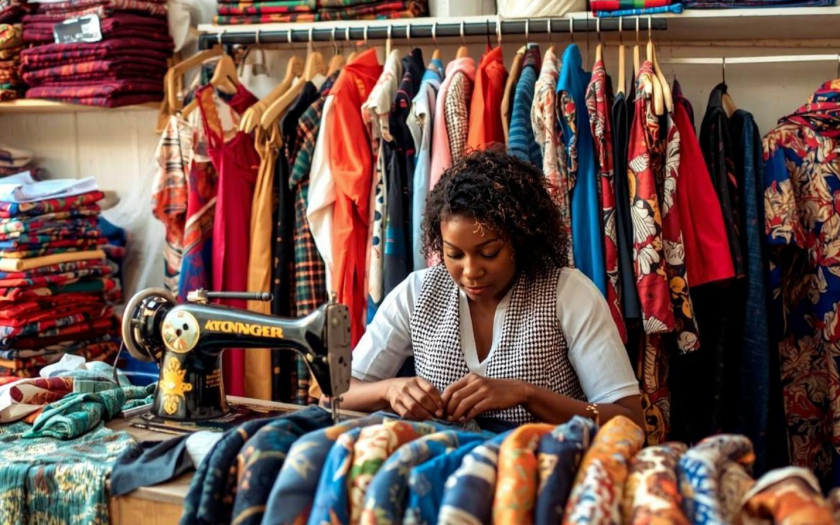
Why Do African SMEs Still Avoid External Finance—Even When It’s Available?

You are running a small, family-owned business in a bustling African city. This business was built from scratch by you through hard work and by reinvesting all your profits. Today, your business needs funding to break into new markets, and you recently heard that new government reforms have made it easier to access loans. Banks are more open, paperwork is simpler, and funding is finally within reach. But you don’t apply. Why?

This is the paradox at the heart of SME finance in Africa: access is improving, but uptake remains stubbornly low. A new study led by NUSC colleague Dr. Andrew Hansen-Addy, with Prof. Mario Davide Parrilli and Dr. Ishmael Tingbani, dives deep into this puzzle—revealing why increased access to finance doesn’t always lead to more borrowing, and what that means for SME policy, resilience, and growth.

Continue reading

The Architecture of Innovation: Lessons from a Football Academy

In the heart of Belgium, a football academy – KRC Genk – buzzes with quiet intensity. Coaches huddle over data sheets, young players lace up boots with dreams of stardom, and behind the scenes, a task force assembles — not just to talk tactics, but to ensure that the academy stays at the forefront of developing talent. This task force is composed of individuals selected from within the academy- taking a bottom-up approach that leverages their expertise. By including external knowledge, this task force can also challenge the status quo and promote innovative thinking.

Continue reading

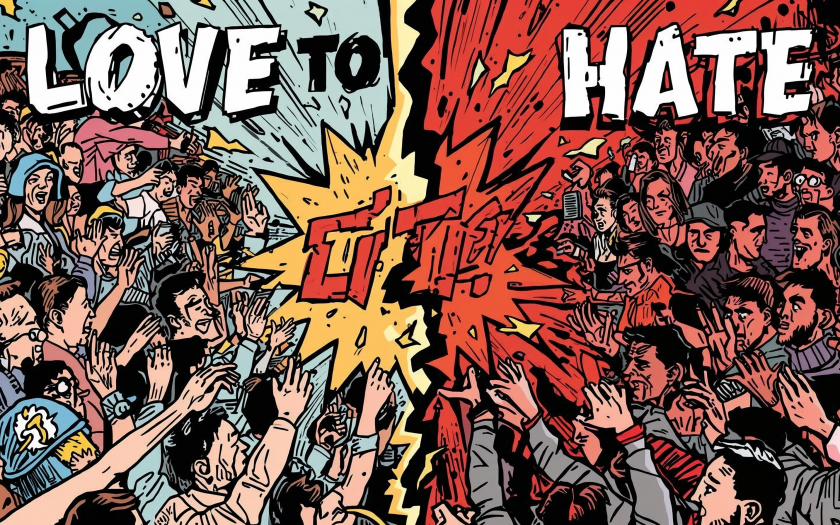
From Brand Hate to Brand Love: How Online Communities Transform Consumer Perceptions

Picture this: A customer storms onto Reddit, furious about a company’s controversial advertisement.
They join an anti-brand community, rallying others to boycott the company. Six months later, that
same person is defending the brand on social media and recommending their products to friends.
This transformation isn’t magic-it’s psychology. And according to new research led by the NUSC researcher Shoaib Ul Haq from the University of Greenwich, it happens more often than you think.

Continue reading
Image of seaweed coffee cup lid

Leading the Change: How Corporate Leadership Drives Eco-Innovation

Imagine a startup that creates edible packaging made from seaweed. You buy a takeaway coffee, and instead of a plastic lid, it’s sealed with a biodegradable, tasteless seaweed film (Product innovation). You can toss it in the compost—or eat it.

Now scale that up: this packaging replaces millions of plastic wrappers in supermarkets. It dissolves in water, leaves no microplastics, and is made from a fast-growing, carbon-sequestering marine plant (Process innovation). The company partners with coastal communities to harvest seaweed sustainably, creating jobs and restoring marine ecosystems (Social impact).

This is eco-innovation in action.

It’s not just clever—it’s transformative.

Continue reading