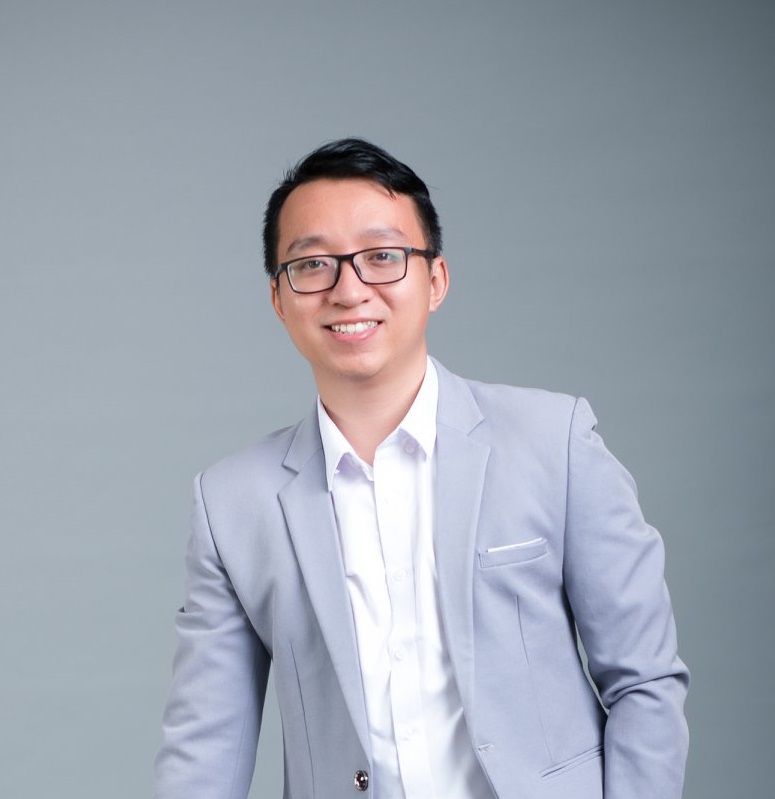
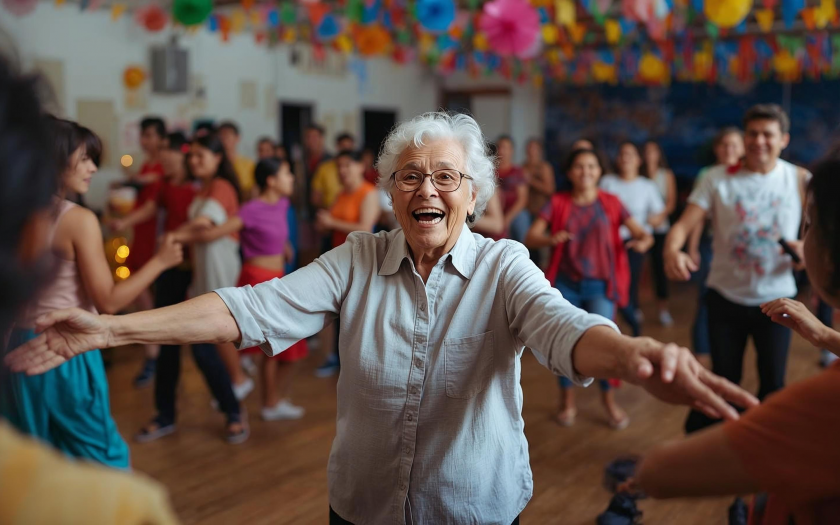

What happens when creativity meets one of the biggest demographic shifts of our time? Dr Jingxi Huang’s latest research dives into the world of creative entrepreneurship in the ageing sector, exploring how arts-based programmes are transforming the lives of older adults.
Her project focuses on entrepreneurs in London who run initiatives like dance, drama, and community arts for ageing populations. “These programmes reduce loneliness, improve health, and strengthen communities,” Jingxi explains. “But behind them are entrepreneurs balancing artistic integrity with business realities.”
“Our research encourages us to see ageing not only as a challenge but also as an opportunity for creativity and innovation. Instead of viewing older adults only through the lens of care and dependency, it shows how entrepreneurial approaches can promote well-being, inclusion and vibrant community life. For some older adults, this even means fulfilling dreams they could not realise when they were younger. In later life, creative programmes can feel like a positive form of self-indulgence, a way of rediscovering themselves and reclaiming opportunities they once thought were lost.”

Through in-depth interviews and thematic analysis, Jingxi’s team is uncovering the motivations, challenges, and strategies of these changemakers. One surprising finding? Many are driven not by profit, but by a deep sense of social purpose.
This research doesn’t just inform—it inspires. It aligns with the UN Sustainable Development Goals and supports local strategies like the Greenwich Culture Strategy, aiming to make creative ageing more sustainable and accessible.
“I would like policymakers and funders to see creative entrepreneurs as essential partners in addressing the challenges of ageing societies, and to design support structures that allow their work to thrive.”
Looking ahead, Jingxi hopes to collaborate with councils and cultural organisations, and even explore cross-cultural comparisons in places like China. “Ageing isn’t just a challenge—it’s an opportunity for creativity and innovation,” she says.
Stay tuned for publications and partnerships that could reshape how we think about ageing in cities.
Jingxi’s research opens up new ways of thinking about ageing, creativity, and entrepreneurship in urban life. Are you working in the creative ageing space, or do you have insights into how cities can better support older adults through the arts? We’d love to connect with practitioners, policymakers, and fellow researchers who are passionate about inclusive innovation. Share your thoughts, tag us in your work (#NUSCResearch), or reach out to explore potential collaborations. Let’s shape the future of ageing—together.
Disclosure: This blog post was drafted and polished with the assistance of AI tools to enhance clarity, structure, and engagement. AI was also used to generate accompanying images where applicable. All content has been reviewed and approved by the author and named lead researcher to ensure accuracy and alignment with the intended message.
Discover more from Networks and Urban Systems Centre (NUSC)
Subscribe to get the latest posts sent to your email.