How brands can turn their harshest critics into passionate advocates through understanding the
psychology of forgiveness
Based on the research by Shoaib Ul Haq and Ray Kwok.
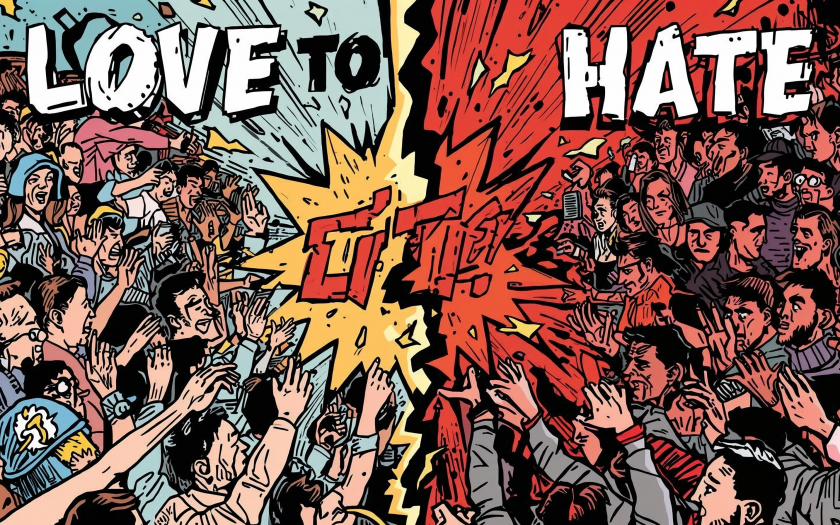
Picture this: A customer storms onto Reddit, furious about a company’s controversial advertisement. They join an anti-brand community, rallying others to boycott the company. Six months later, that same person is defending the brand on social media and recommending their products to friends. This transformation isn’t magic-it’s psychology. And according to new research led by the NUSC researcher Shoaib Ul Haq from the University of Greenwich, it happens more often than you think.
Online communities have become the new battlegrounds where brand reputations are won and lost. Unlike traditional marketing, where companies controlled the message, digital spaces allow consumers to collectively shape how brands are perceived. These virtual tribes can be fiercely loyal advocates or relentless critics, and their influence spreads far beyond their membership.
The Six Tribes of Brand Engagement
- Critical Activists: Vocal opponents who actively campaign against brands
- Passive lrates: Those who dislike brands but don’t actively participate in opposition
- Silent Spectators: Community members who observe but don’t engage
- Neutral Netizens: Balanced participants who maintain objective viewpoints
- Disconnected Loyalists: Brand supporters who don’t actively advocate online
- Active Evangelists: Passionate brand champions who actively promote and defend
Dr. Shoaib UI Haq and Ray Kwok’s study reveals something counterintuitive: even the most negative brand relationships can flip positive through specific psychological pathways.
Six Pathways from Hatred to Forgiveness
The researchers identified six distinct routes consumers take when transitioning from anti-brand activists to neutral observers or even passionate advocates:
- Restorative Brand Actions
When brands acknowledge wrongdoing and make tangible changes, consumers take notice. One participant initially boycotted a furniture retailer after receiving damaged goods and poor service. When the company’s general manager personally called to apologize and provided compensation plus a replacement, the customer became an advocate, sharing their positive experience on social
media. - Ideological Brand Shifts
Sometimes perceived changes in company values-even without concrete actions-can transform consumer attitudes. A Greenpeace activist stopped criticizing an oil company after observing changes to their website and communications following an environmental incident, despite no substantial operational changes. - Transgression Trivialization
Consumers may reframe serious issues as minor inconveniences. A customer who initially warned others about delivery delays later dismissed their own complaints as overreactions once they understood the circumstances. - Circumstantial Reframing
This involves shifting blame from the company to external factors. Employees who protested job cuts eventually accepted that poor UK performance necessitated difficult decisions, reframing company actions as business necessities rather than corporate callousness. - Benefit-Harm Calculus
Consumers weigh a brand’s positive contributions against negative actions. A participant initially opposed to a razor company’s controversial advertising eventually supported the campaign after deciding it promoted positive social values. - Perceived Justice
When consumers believe a company has suffered enough punishment, they may extend forgiveness. After learning an oil company lost $14.7 billion, one activist argued the firm had been “punished enough” and deserved a second chance.
The research introduces a new theoretical framework called Collective Schema Dynamics (CSD), which explains how individual thoughts about brands interact with group opinions in online spaces. Think of it as a psychological dance between personal experience and social influence.
Traditional marketing assumed brand perceptions were relatively stable. This research proves otherwise.
In digital environments, brand schemas-our mental frameworks for understanding brands-are constantly evolving through community interactions. A negative experience can be reframed through social discussion, just as positive experiences can be amplified or diminished by group dynamics.
What does this mean?
This research challenges fundamental assumptions about brand loyalty and consumer behavior. It suggests that even deeply entrenched negative perceptions can transform through structured pathways of reconciliation and reframing.
For consumers, it reveals the malleability of our own attitudes and the power of community influence in shaping our brand relationships.
For companies, it offers hope that reputation damage isn’t permanent-but recovery requires understanding the complex psychology of forgiveness. As artificial intelligence and new technologies continue reshaping how we interact with brands, understanding these transformation pathways becomes even more critical. The brands that survive and thrive will be those that recognize the dynamic nature of consumer perception and work
actively to guide that evolution in positive directions.
For brand managers, this research offers practical strategies to navigate online criticism effectively. It’s important to monitor both supportive and critical communities, as today’s opposition can become tomorrow’s advocates. Tangible changes matter—consumers respond more positively to real solutions than to empty promises. Communicating shifts in brand values, even symbolically, can reshape perceptions when consistently reinforced across all touchpoints. Patience is key; brand recovery takes time as consumers gradually reassess company actions. Finally, tailor your approach: critical activists require thoughtful engagement, while silent spectators may simply need visibility of the positive changes being made.
The next time you see a heated debate about a brand in an online community, remember: today’s harshest critic could become tomorrow’s most passionate advocate. The key is understanding the psychology that makes transformation possible.
As brand relationships continue to evolve in the digital age, this research reminds us that even the most vocal critics can become powerful allies—if brands are willing to listen, adapt, and engage meaningfully. The psychology of forgiveness offers not just a path to reputation recovery, but a deeper understanding of how trust is rebuilt in online communities.
Have you ever changed your opinion about a brand—positively or negatively? What triggered that shift for you?
We’d love to hear your thoughts in the comments.
#BrandManagement #ConsumerPsychology #DigitalMarketing #BrandStrategy #OnlineCommunities